
Delta 9 THC
From the Roots of Raw Cannabis: Exploring THC vs THCA
Ever wondered about that mysterious cousin of Delta 9 THC that’s starting to get all the attention, THCA? And what’s the difference between THC and THCA?
While Delta 9 grabs the limelight with its psychoactive effects, THCA dances in the shadows, waiting to reveal its magic. Let’s embark on this rollercoaster of cannabis plants, molecules, and everything in between.
What is THCA?

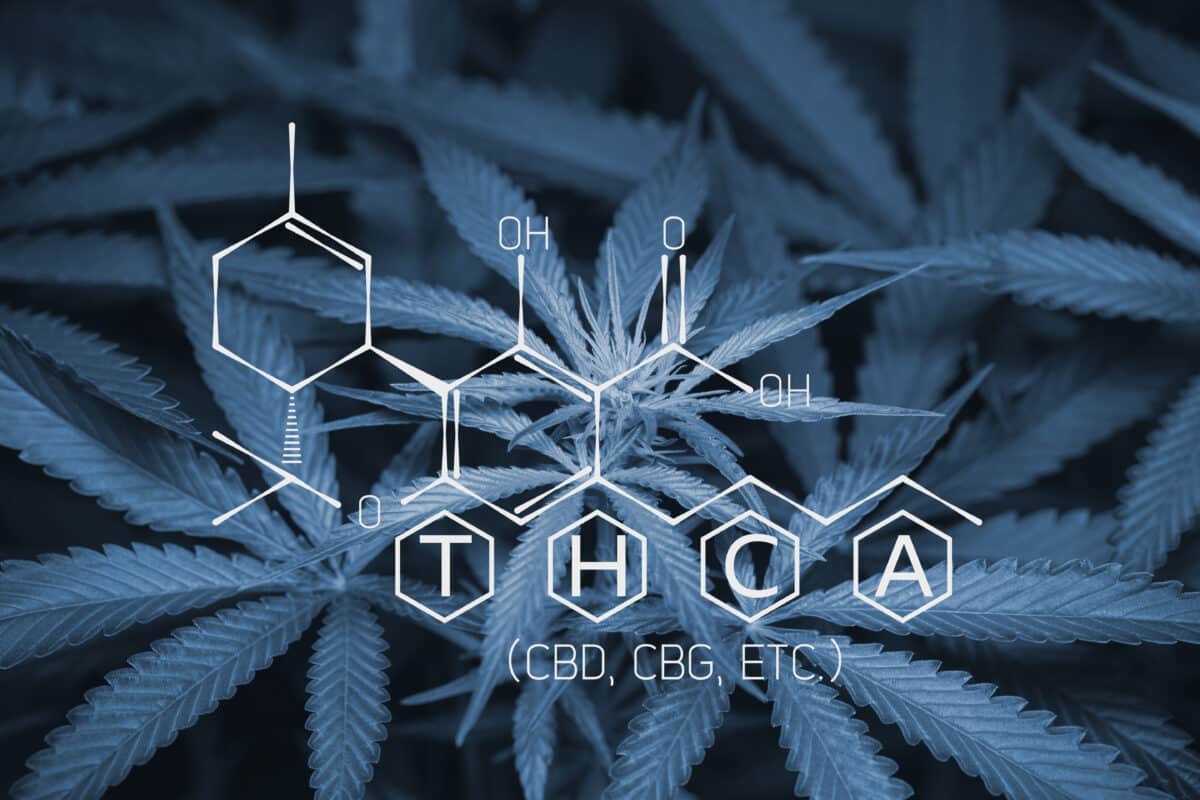
THCA, or tetrahydrocannabinolic acid, is the raw, acidic form of Delta 9 THC. Found abundantly in freshly harvested cannabis and raw cannabis plants, THCA is a non-psychoactive cannabinoid. Unlike THC, it doesn’t produce the same intoxicating effects we all love. That is, until it gets heated up…
Before you think of ditching THCA, let’s get into it a bit more.
The chemical structure of the THCA molecule contains a carboxylic acid group. When heated, this group is removed in a process called decarboxylation, which does convert THCA to Delta 9 THC. If strictly consuming THCA, it’s unlikely you’ll notice any elevating effects that traditional THC flower produces.
But it has been reported that once heated, it’s a completely different story. Let’s say you simply consume THCA in another form without it being heated. You may reap some of the benefits, but it’s unlikely you’ll notice any psychoactive effects.
If you add heat to it however, that process converts the THCA molecules to create THC. This could potentially give you the uplifting effects you’re looking for.
Diving deeper, it’s fascinating to note how THCA is the silent powerhouse in the cannabis plant. Not just a precursor, THCA embodies a treasure trove of potential benefits. Studies are showing that ingesting products rich in THCA might offer a unique spectrum of advantages without the intoxicating effects of its counterpart, THC.
THCA vs Delta 9 THC: Similarities and Differences

Sure, we adore THC. But THCA has its own charm. Unlike THC, THCA is non-intoxicating. Both bind with the body’s endocannabinoid system but interact with the two major cannabinoid receptors differently.
THCA does not readily bind to the CB1 receptor, which is how people experience the ‘high’ commonly associated with traditional THC.
Preliminary studies suggest THCA might offer potential benefits such as aiding in physical relief and appetite stimulation. And, for those avoiding the intoxicating effect of THC but seeking potential benefits, THCA might be a game-changer.
Before we get into the potential benefits, let’s identify the similarities and differences of THC vs THCA.
Similarities Between THCA and Delta 9 THC
Origins in the Plant
Both THCA and THC originate from the same plant, showcasing the plant’s versatile cannabinoid content.
Connection with the Endocannabinoid System
They both interact with our body’s endocannabinoid system, albeit in different ways. This system plays a key role in regulating various physiological processes.
Potential Health Benefits
Preliminary research indicates that both might offer a range of benefits, such as reducing various joint discomforts and appetite stimulation.
Transformational Relationship
THCA doesn’t just exist independently; it’s the direct precursor to Delta 9 THC. When exposed to heat, THCA undergoes decarboxylation to become the THC we know and love.
Differences Between THCA and THC
Psychoactive Effects
The most prominent difference is the intoxicating effects. THC produces the euphoric high commonly associated with cannabis. On the other hand, THCA is not a psychoactive, meaning it doesn’t induce that classic uplifting sensation.
Presence in the Plant
Within the plant itself, you’ll predominantly find THCA. THC becomes more prevalent as the plant is aged or exposed to heat.
Chemical Structure
While they may seem closely related, the chemical makeup of each is distinct. THCA has an extra carboxylic acid group, which gets released during the decarboxylation process to create Delta 9 THC.
Legal Considerations
Often, THCA exists in a gray area when it comes to legality. THC, especially in higher concentrations, is more widely regulated and, in some places, remains illegal.
Consumption Methods
THCA is often consumed in its raw form, like in juices or smoothies. THC, however, is commonly consumed via smoking, edibles, tinctures, and various other forms.
Understanding the nuances between THCA and THC allows cannabis enthusiasts to make more informed choices, catering to their specific desires and needs. Whether you’re chasing the high or seeking potential benefits, there’s a compound in the cannabis family just for you!
Potential THCA Benefits the Cannabis Plant Produces
Let’s get into a few of the potential benefits that THCA products might have on the human body.
Cognitive Health Properties
Some research suggests that there may be benefits in dealing with more cognitive related symptoms with regular use of THCA products.
Upset Stomach
Studies are looking at the potential effects THCA might have on a sick stomach.
From potential health benefits to its intriguing chemical structure, THCA shows itself as a unique gem amidst the myriad of cannabinoids from the cannabis plant. So next time you admire a cannabis flower, remember there’s more to it than just THC!
How THCA is Formed Within the Plant
Now, when the cannabis plant blossoms, it doesn’t churn out THC right off the bat. Instead, the plant produces abundant THCA within the flower. Over time, with heat and UV light, this THCA will gradually convert to THC.
This natural progression means if you’re consuming raw cannabis or using cannabis extracts made from fresh plants, you’re mostly getting THCA.
But here’s the intriguing part: cannabinoid acids like THCA are foundational elements. Such acids, including THCA, serve as precursor cannabinoids. Before they transition into the more recognized non-acidic compounds (like THC and CBD), they exist in their natural form brimming with potential and benefits.
These acids are crucial in defining the cannabinoid content of a plant. While THCA is the most prominent, other cannabinoids also have their acidic precursors, adding layers of complexity and richness to the plant’s profile.
If you ever aim to find THCA in abundance, look no further than a freshly harvested, untouched cannabis flower. The wonder of these plants is not just in the final product but in the journey of transformation they undertake.
Appealing to Traditional Marijuana Fans with THCA Flower

Alright, traditionalists, we’re speaking directly to you now.
For those of you deeply rooted in the world of the marijuana plant, we understand the allure of THC. Its potent effects have been the heart of countless memorable cannabis experiences. But, as the adage goes, change is the only constant.
When considering THC vs THCA, think of THCA as a hidden gem, the precursor cannabinoid that hasn’t gotten its share of the limelight. Consuming cannabis in its most natural form, overflowing with THCA, introduces a whole new dimension.
It’s like attending an unplugged concert of your favorite band; the essence remains, but the vibe is refreshingly different.
Trying to Chase the High?
Now, here’s a twist. While THCA in its original state is non-psychoactive, when you apply heat to the flower form, it undergoes a transformation.
Through decarboxylation, THCA converts to Delta 9 THC. This means that if you decide to heat up your THCA-rich products, you might just unlock psychoactive effects similar to traditional THC. So, for those missing that familiar buzz, you have the option of tapping into it.
For our adventurous cannabis consumers, exploring THCA products can be an exciting venture. Whether you opt to consume flower directly or dabble in tinctures and oils, the experience is distinct and versatile.
The worlds of THC and THCA offer a symphony of sensations, waiting to be explored.
The Legalese: Is THCA Legal?
Navigating cannabis laws can be a trip (pun intended). Generally, THCA legal statuses can be a gray area. Unlike Delta 9 THC, THCA isn’t always a scheduled substance, but the legal status varies by region.
Due to the 2018 Farm Bill, hemp derived products (like THCA) became federally legal. This opened an expansive door for companies and consumers to explore the offerings of cannabis on a deeper level.
Even though these products are legal on the federal level, some states have still opted to outright ban anything hemp derived. Before purchasing THCA products, always double-check the local regulations.
Will I Fail a Drug Test?
Here’s the deal: if you’re consuming a cannabis product rich in THCA and subject it to heat, converting some of that THCA into THC, there’s a possibility of THC metabolites being present in your system.
These metabolites are what typical drug tests look for. So, if you’re heating and consuming your THCA products, tread with caution. It’s possible for THCA to indirectly lead to a positive drug test due to its transformation into Delta 9 THC.
The Wrap-Up: The Difference Between THC vs THCA
From plant to the wide array of cannabinoids, there’s so much to discover. Both Delta 9 THC and THCA have their unique spaces, catering to varied cannabis lovers.
We at 3CHI encourage everyone to research, explore, and find what resonates best. After all, the cannabis plant is a gift that keeps on giving!
But if you want to peruse our new THCA flower products, check them out here!
The contents of this article are not legal advice and 3CHI and the author are not licensed attorneys. For determination on the legal status of THCA consult a licensed attorney knowledgeable on the subject.