-
×
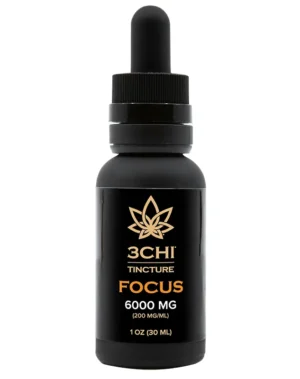 Focus CBD Oil
1 × $49.99
Focus CBD Oil
1 × $49.99 -
 Delta 8 THC Vape Cartridge
$29.99$19.99 -
 Delta 8 Gummies
$29.99
Delta 8 Gummies
$29.99
You're $49.01 away from FREE SHIPPING! Try these best sellers:
 Focus CBD Oil
You're $49.01 away from FREE SHIPPING! Try these best sellers:
Delta 8 THC Vape Cartridge
Delta 8 Gummies
$29.99
With the new Farm Bill on the horizon, changes are brewing that could shake up the hemp industry. The house committee is looking to approve an amendment to farm bill to ban Delta-8 thc and other intoxicating hemp products is a hot topic, stirring up significant debate among stakeholders.
As we dive into the details, we’ll uncover what this means for consumers, producers, and the broader cannabis community. It’s not just about regulatory shifts; it’s about the future of a growing market that has given American farmers a new crop to cultivate, offered consumers potential alternative wellness options, and spurred innovations in cannabinoid extraction and production.
Companies like ours are trying to do things the right way, but how will this new legislation affect good actors and businesses in the space?
The outcome of this legislative maneuvering could reshape the landscape of hemp products, impacting everything from retail jobs to rural communities that rely on hemp production for economic stability.
The Farm Bill is no stranger to changes. This piece of legislation, formally known as the Agriculture Improvement Act, is a massive, multi-faceted bill that impacts numerous aspects of American agriculture. It appears it’s time for an update, with the last major overhaul in 2018. That year marked a significant turning point for the hemp industry, as it legalized the production and sale of hemp-derived cannabinoids, including Delta 8 THC.
This legalization was a monumental shift, opening doors for research, innovation, and the commercialization of a wide array of hemp products. The federal government essentially redefined hemp and its derivatives, distinguishing them from their more psychoactive counterparts in the cannabis plant. This move was intended to boost the agricultural sector and create new economic opportunities for farmers and ranchers across the country.
Furthermore, the 2018 Farm Bill also set the stage for the development of ingestible hemp products, which have since become a significant market segment. From oils and tinctures to gummies and capsules, these products have gained popularity for their potential wellness benefits. As we approach the next Farm Bill, these advancements and their impacts on American agriculture will undoubtedly play a crucial role in the discussions.
The Farm Bill isn’t just about agriculture; it’s a comprehensive legislative package that influences a broad spectrum of issues, including food assistance programs, conservation efforts, and even rural development. Its complexity and scope make it a vital piece of legislation that reflects the diverse needs and priorities of the nation. With the next Farm Bill on the horizon, the ongoing debates and amendments will shape its final form and, by extension, the future of hemp and its related industries.
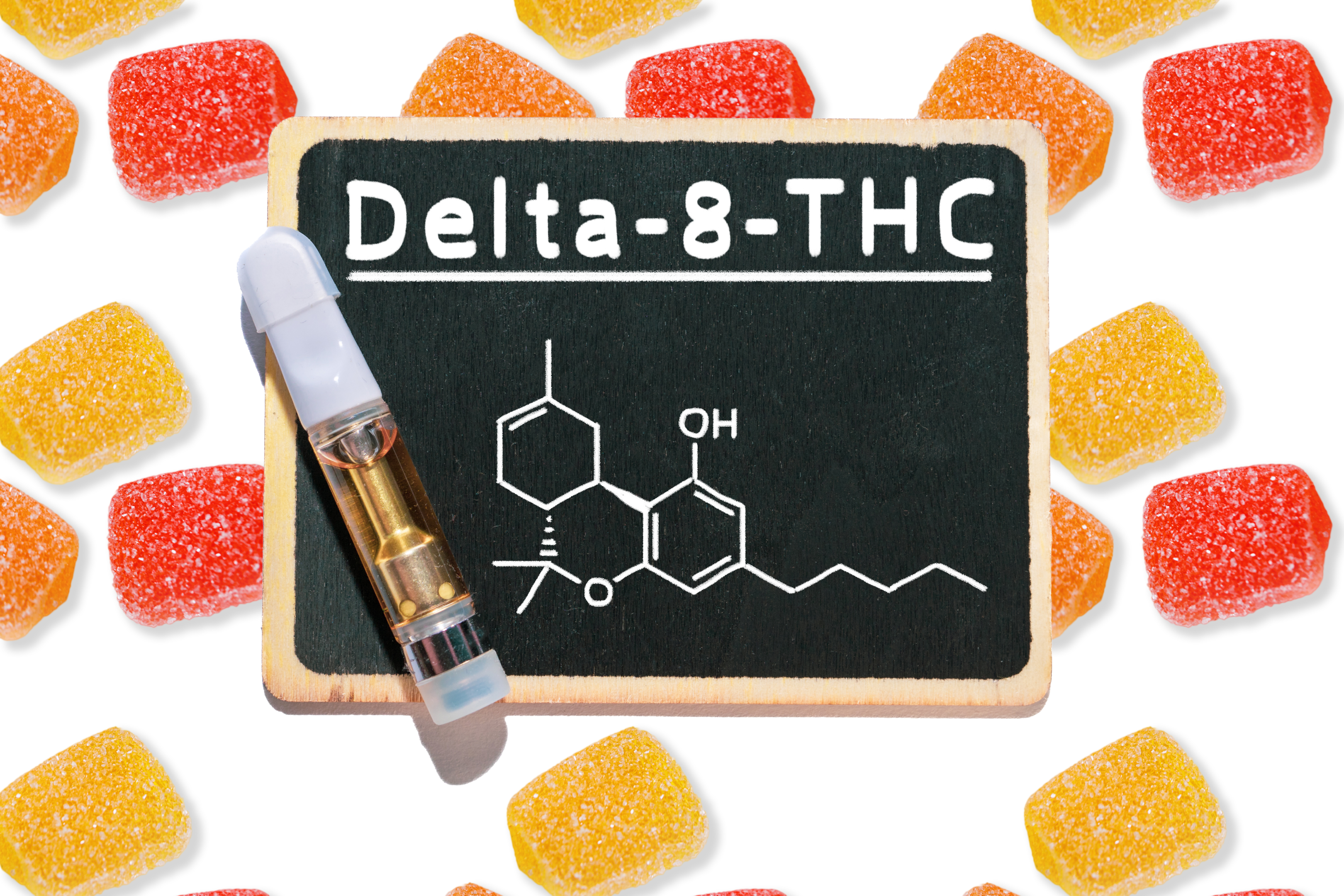
Delta 8 THC is a cannabinoid found in the cannabis plant. While it’s similar to the more well-known Delta 9 THC, which is responsible for the classic marijuana high, Delta 8 THC is often touted for its milder psychoactive effects. Consumers report that it may help with relaxation, relief of physical discomforts and anxious feelings, without the intense high of Delta 9. This has made Delta 8 THC a popular choice for those seeking a more subtle experience.
Interestingly, Delta 8 THC isn’t found in large quantities naturally within the cannabis plant. Instead, it’s typically derived from CBD through a process known as isomerization. Given the high levels of CBD in legal hemp, producers can convert CBD into Delta 8 THC using this chemical reaction, effectively utilizing natural resources in an innovative way. This conversion process has allowed the industry to circumvent the limited natural availability of Delta 8 THC and meet growing consumer demand.
However, this production method has also been a point of contention, with some arguing that the loophole created by the 2018 Farm Bill has enabled the proliferation of intoxicating hemp products like Delta 8 THC. While non-intoxicating CBD products remain widely accepted, the semi-synthetic nature of Delta 8 THC has sparked debates over its legality and safety.
Consumers have embraced Delta 8 THC not just for its psychoactive properties, but also for its potential wellness benefits. Unlike Delta 9 THC, which can sometimes lead to paranoia and anxiety in high doses, Delta 8 THC is reported to provide a smoother, more clear-headed high. This has made it an appealing option for those who are cautious about the more intense effects of traditional cannabis products.
As the discussion around Delta 8 THC continues, it’s important to consider the diverse viewpoints on its benefits and risks. Whether viewed as a valuable addition to the hemp market or a product that should be more tightly regulated, Delta 8 THC represents a significant aspect of the current hemp industry landscape.
The House Committee on Agriculture recently approved a Farm Bill amendment aimed at banning Delta 8 THC and other intoxicating hemp products. This move has raised alarms across the hemp industry and among hemp industry stakeholders. But what exactly does this mean?
For starters, this proposed amendment is part of the broader Farm Bill process, which includes various stages of review, debate, and approval before becoming law. The Mary Miller amendment, named after its sponsor, seeks to address concerns about the safety and accessibility of Delta 8 THC. Proponents of the amendment argue that these products pose risks, particularly to young people, and need stricter regulation.
Hemp roundtable discussions have highlighted the competing interests at play. On one side, there is strong support from those who believe the amendment is necessary to protect public health and prevent the misuse of intoxicating hemp products. On the other side, hemp producers and retailers argue that the ban could devastate their businesses, leading to job losses and economic downturns in rural communities that depend on the hemp industry.
This amendment’s implications extend beyond just the economic impact. It also raises questions about the future of innovation in the hemp industry. The production of hemp-derived cannabinoids like Delta 8 THC has spurred significant advancements in cannabinoid extraction techniques and product development. A ban could stifle this innovation, limiting the availability of new and potentially beneficial cannabis products.
From a legislative perspective, the amendment’s progress through Congress will be closely watched. The legislative process involves multiple rounds of discussion and modification, meaning that the final form of the Farm Bill could differ significantly from its current state. Hemp industry stakeholders are actively lobbying to ensure their concerns are heard, advocating for a more balanced approach that safeguards consumer safety without crippling the industry.
The approval of this amendment by the House Committee is just one step in a long journey. As the next Farm Bill moves through Congress, it will encounter various viewpoints and interests, making it a complex and contentious process. The outcome will ultimately shape the regulatory landscape for hemp products and determine how these products can be produced, marketed, and consumed in the future.
The proposed Farm Bill amendment to ban Delta 8 THC and other intoxicating hemp products is a significant development that could have far-reaching implications. As we navigate this evolving landscape, it’s important to consider the perspectives of all stakeholders and work towards a solution that supports the growth of the hemp industry while ensuring consumer safety.
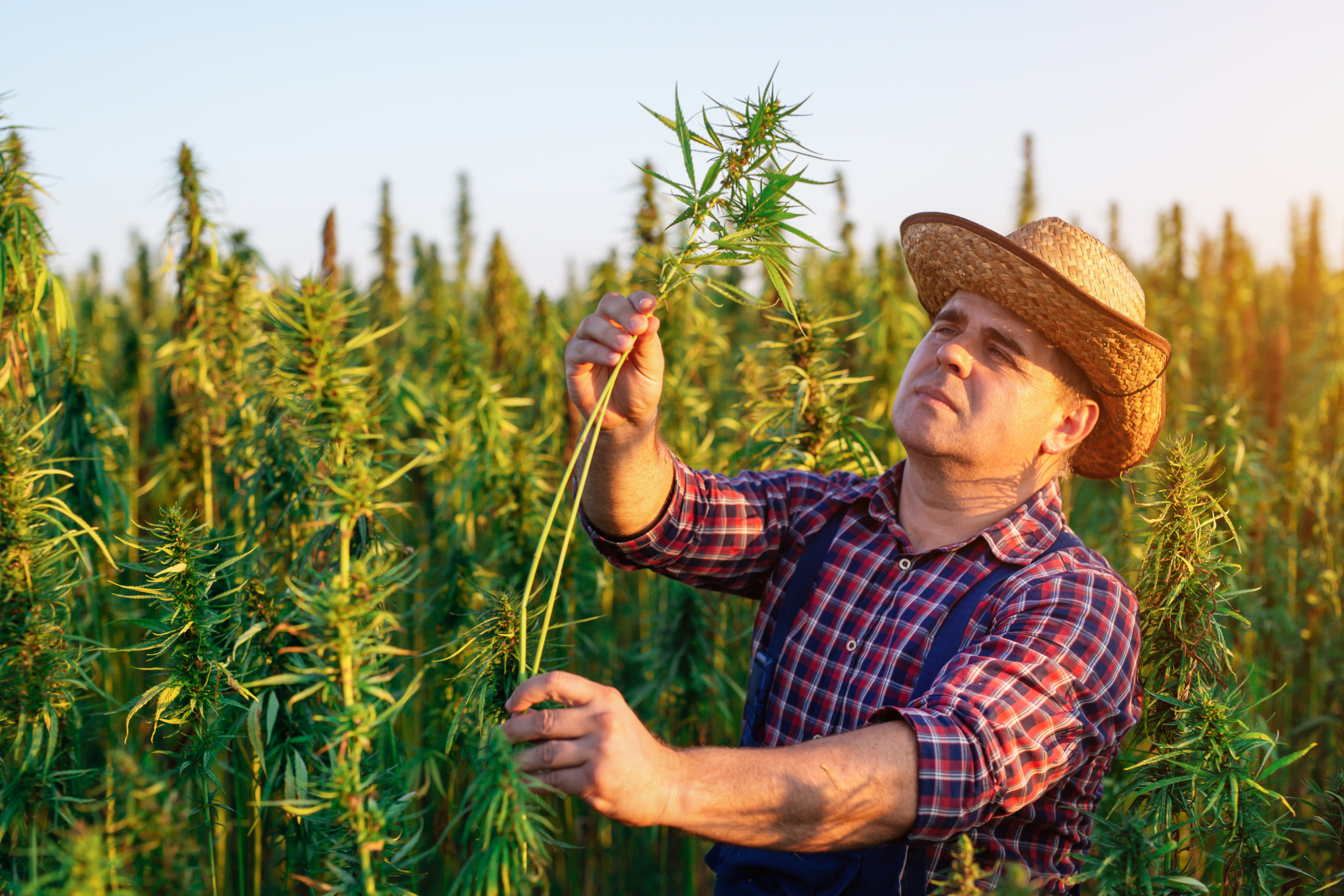
For hemp producers and retailers, this amendment could spell trouble. Many have built their businesses around the production and sale of Delta 8 THC and similar products. A ban could lead to significant financial losses, job cuts, and even the closure of some businesses. Retail jobs connected to the sale of these products could be at risk, affecting rural communities and beyond.
Moreover, the proposed ban threatens the livelihoods of family farmers who have diversified their crops to include hemp. These American farmers and agricultural producers have invested heavily in the infrastructure and processes necessary to cultivate and process hemp-derived cannabinoids. A sudden shift in legislation could disrupt their operations and force them to pivot quickly, often at great expense.
The broader hemp industry has flourished under the current Farm Bill, with many small and medium-sized enterprises thriving. The proposed changes could reverse much of this progress, stifling innovation and reducing the availability of diverse hemp products in the market. This potential rollback is a pressing concern for industry stakeholders who fear that the new regulations could undermine years of growth and development fostered by the 2018 Farm Bill.
Consumers have come to rely on Delta 8 THC for its reported benefits. The potential ban might force them to seek alternatives, which could be less effective or more expensive. There’s also a risk that the black market for these products could grow, creating new challenges for law enforcement and regulators.
Additionally, the ban could lead to increased demand for other hemp-derived cannabinoids or non-intoxicating CBD products, potentially shifting market dynamics. This shift could also spur innovation as producers look for new ways to meet consumer needs within the legal framework, but it could take time for these new products to gain traction.
From a legal standpoint, the amendment raises questions about the federal law governing hemp and its derivatives. The 2018 Farm Bill passed with provisions that allowed the sale of hemp-derived cannabinoids as long as they contained less than 0.3% Delta 9 THC. The new proposal seeks to close what some see as a loophole created by this language, aiming to stop teenagers and others from accessing products that could be considered addictive and harmful drugs.
However, while there are indeed bad actors in the space who exploit this loophole and produce substandard or unsafe products, there are also reputable companies, like us at 3CHI, committed to doing things the right way. We adhere to stringent quality controls and provide transparency in our production processes to ensure the safety and efficacy of our products.
This blanket ban could unjustly penalize responsible businesses and undermine the livelihoods of tens of thousands of employees and family farmers who depend on the hemp industry.
The proposed amendment could drastically alter the economic landscape, particularly in areas where economic conditions are already challenging. For many American farmers, hemp has provided a valuable cash crop that diversifies their agricultural output and offers a hedge against traditional crop failures.
By tightening regulations without distinguishing between compliant and non-compliant producers, Congress risks damaging an industry that has become a vital part of the rural economy.
Furthermore, the amendment’s progress through Congress will be influenced by congressional leaders who must balance public health concerns with the economic needs of their constituents. Americans count on their representatives to provide farmers with the tools and support necessary to thrive.
Restrictive legislation could inadvertently cut off access to products that many consumers find beneficial, while also stifling innovation and economic growth in a sector that has shown tremendous potential.

Despite the controversy, many consumers report positive experiences with hemp products, including Delta 8 THC. These products are said to offer potential benefits such as improved mood, relief, and relaxation. It’s important to note that these effects are anecdotal and not backed by definitive scientific studies. However, the consumer demand speaks volumes about the perceived value of these products.
In addition, companies like 3CHI are committed to rigorous testing and quality assurance, ensuring that their products are safe and reliable for consumers. This commitment to quality helps to elevate industry standards and promote responsible use.
As more and more consumers seek more natural alternatives, hemp-derived cannabinoids have the potential to help in certain instances. Now, everyone responds differently to such products and people should consult with a doctor before consuming. But we have received a lot of feedback from various consumers on how such products have helped them.

The proposed Farm Bill amendment to ban Delta 8 THC and other intoxicating hemp products is a significant development that could have far-reaching implications. As we navigate this evolving landscape, it’s important to consider the perspectives of all stakeholders and work towards a solution that supports the growth of the hemp industry while ensuring consumer safety.
A balanced approach that addresses safety concerns without stifling innovation or economic growth is essential. The livelihoods of tens of thousands of individuals, from American farmers to retailers, depend on the responsible regulation of hemp products.
As the Farm Bill process unfolds, it’s imperative to advocate for fair legislation that protects consumers and supports agricultural producers. The future of hemp and its derivatives hinges on informed and thoughtful policymaking that acknowledges both the challenges and the immense potential of this versatile plant. By working together, we can ensure that the industry continues to thrive, providing valuable products and economic benefits to communities across the nation.
To stay updated on all things cannabis and 3CHI, sign up for our newsletter here!
When you do, you get 5% off your first order and a free pack of Delta 8 gummies!