
Delta 9 THC
The Legal Landscape of Delta 9 THC: What You Need to Know

Navigating the legal waters of Delta 9 THC can be a complex endeavor. From its dual presence in marijuana and hemp to the intricate laws governing its use, understanding where Delta 9 stands legally is crucial for consumers and businesses alike.
The 2018 Farm Bill brought significant changes, especially for those producing hemp-derived products, by setting the federal limit for Delta 9 THC content. As we dig deeper into the legal status of Delta 9, we’ll explore how it aligns with federal law, the implications of potentially rescheduling of marijuana, and what this means for users.
Additionally, we’ll discuss the potential benefits and side effects of Delta 9 THC and its relationship with other cannabinoids like Delta 8 THC. Whether you’re a seasoned cannabis enthusiast or just curious about the legal status and effects of Delta 9, this guide will provide the insight you need to navigate this evolving landscape confidently.
Let’s get into it.
Understanding Delta 9 THC from Cannabis Plants
Delta 9 THC, or delta-9-tetrahydrocannabinol, is the primary psychoactive component of the cannabis plant. It’s the compound responsible for the euphoric effects often associated with cannabis use. Delta 9 can be found in both marijuana and hemp, two different varieties of the cannabis sativa plant.
Marijuana typically has a high Delta 9 THC content, which is why it’s classified as a controlled substance under the Controlled Substances Act (CSA). Hemp, on the other hand, has a much lower THC limit and is under a different guideline with the passage of the 2018 Farm Bill. This distinction is crucial for understanding how different cannabis products are regulated.
Delta 9 THC is not just limited to its natural occurrence in the cannabis plant. It can be extracted and concentrated to create a variety of THC products, including edibles, tinctures, and vapes. These Delta 9 THC products are popular for their ability to provide the effects of Delta 9 in a controlled and measurable way.
The process of creating these products involves extracting cannabis-derived compounds from the plant. For hemp products, this means ensuring the Delta 9 THC content remains below the legal threshold of 0.3% on a dry weight basis. This careful extraction and production process allows companies like 3CHI to offer compliant and effective Delta 9 products.
Understanding the nuances of Delta 9 THC—from its natural presence in cannabis sativa to its role in various cannabis-derived compounds—is key to appreciating its potential and navigating its legal landscape. Whether in its natural form or as part of refined hemp products, Delta 9 THC continues to be a significant and versatile component of the cannabis industry.
The 2018 Farm Bill and Hemp-Derived Delta 9

The 2018 Farm Bill, also known as the Agriculture Improvement Act, was a game-changer for the hemp industry. This legislation legalized hemp production and set the federal limit for Delta 9 THC at 0.3% on a dry weight basis. This means that hemp-derived products, including Delta 9 THC products, must contain no more than 0.3% Delta 9 THC by dry weight to be considered legal at the federal level.
Here at 3CHI, we produce hemp-derived products by adhering to these guidelines. Our extraction process ensures that the Delta 9 THC content remains within the legal limit, allowing us to provide consumers with products that are both compliant and effective. This legal framework has not only enabled the growth of our business but also paved the way for innovation in the hemp industry, leading to the creation of various cannabis products that cater to different needs and preferences.
The Farm Bill also brought about a clearer distinction between hemp and marijuana, which has significant implications for consumers and producers. Hemp is now seen as an agricultural commodity rather than a controlled substance, opening doors for its use in dietary supplements, textiles, and more. However, it’s essential to stay informed about the nuances of this law to ensure compliance and avoid any legal pitfalls.
Moreover, the Farm Bill has prompted further research into the benefits and applications of hemp-derived cannabinoids. This research is crucial for the development of new THC products and other cannabis-derived compounds, offering consumers a broader range of options for recreational use and beyond.
As the industry continues to evolve, staying up-to-date with legislative changes and advancements in extraction technology will be key to maintaining a competitive edge.
Marijuana and Federal Law
Marijuana remains classified as a Schedule I substance under the Controlled Substances Act, meaning it’s considered to have a high potential for abuse and no accepted medical use. However, there’s been recent discussion about rescheduling marijuana.
This shift could have significant implications for the cannabis industry and those who use marijuana for medical or recreational purposes. It would potentially allow for more research, greater accessibility, and changes in how marijuana is regulated at both the federal and state levels.
The rescheduling of marijuana would also impact the production and distribution of THC products. It could lead to an increase in FDA approved drug products derived from cannabis, providing new opportunities for businesses and consumers alike. Additionally, this change would likely influence the perception of marijuana, shifting it from a stigmatized substance to a more accepted component of modern lifestyle.
Furthermore, the potential rescheduling could open up new avenues for the study and use of synthetic cannabinoids. These lab-created compounds mimic the effects of natural cannabis-derived compounds and could be used in various drug products for medical or recreational use. As the legal landscape shifts, staying informed about these developments will be crucial for anyone involved in the cannabis industry.
For consumers, understanding the current legal status of marijuana and anticipating potential changes is essential for making informed decisions. Whether you’re using marijuana for medical purposes or enjoying it for recreational use, staying compliant with federal and state laws is key to a safe and enjoyable experience.
The evolving legal status of marijuana and hemp-derived Delta 9 THC highlights the importance of staying informed and adaptable in this dynamic industry. As legislation changes and new opportunities arise, both consumers and businesses must navigate these shifts carefully to ensure compliance and maximize the benefits of cannabis products.
At 3CHI, we are committed to providing high-quality, compliant hemp-derived products that harness the potential of Delta 9 while adhering to the latest legal guidelines.
Potential Benefits of Delta 9 THC

Many users report that Delta 9 THC may help with a variety of conditions. While not FDA approved for treatment, anecdotal evidence suggest that Delta 9 may provide physical relief, reduce stomach issues, and improve appetite. It’s important to note that these effects are not guaranteed and vary from person to person.
Consumers have reported that Delta 9 THC can create a sense of euphoria, relaxation, and enhanced sensory perception. These psychoactive effects are a big part of why cannabis use is popular both recreationally and medicinally. When Delta 9 interacts with the central nervous system, it may influence mood, perception, and physical sensations, potentially offering a unique way to reduce physical discomfort.
Additionally, the benefits of Delta 9 extend beyond traditional cannabis products. Innovations in the industry have led to a variety of Delta 9 THC products, including edibles, tinctures, and topicals, providing diverse methods for consumption and use. These products cater to different preferences and needs, making Delta 9 THC more accessible to a wider audience.
Furthermore, the potential benefits of Delta 9 THC aren’t limited to physical effects. Some users find that it may enhance their creative processes, aid in relaxation, and even support mental well-being. The versatility of Delta 9 THC makes it a compelling option for those looking to explore the various facets of cannabis use.
It’s worth noting that the effects of Delta 9 THC can differ based on the method of consumption. For instance, smoked cannabis might deliver immediate effects, while edibles can take longer to onset but provide prolonged relief. Understanding these differences can help users make informed choices about how to incorporate Delta 9 THC into their routines.
Potential Side Effects and Risks
While Delta 9 THC has its benefits, it’s also important to be aware of the potential risks. Some users may experience adverse effects such as anxious feelings, paranoia, dry mouth, and impaired memory. These side effects are more likely at higher doses, so it’s crucial to start with a low dose and increase gradually if needed.
There’s also the risk of accidental ingestion, especially with edible THC products. These products can be appealing to children and pets, so they should be stored securely. Additionally, the delayed onset of effects from edibles can lead to overconsumption if users are not patient, increasing the likelihood of adverse effects.
Another concern is the potential for developing a cannabis use disorder, characterized by dependence on cannabis. This risk underscores the importance of using Delta 9 responsibly. Regular and high-dose use can lead to tolerance, requiring higher amounts to achieve the same effects, which can increase the risk of negative outcomes.
The interaction of Delta 9 THC with other substances, including alcohol and medications, can also influence its effects and risks. It’s important to be cautious and consult with a healthcare provider if you’re taking other medications or have underlying health conditions. The combination of Delta 9 with other drugs can amplify side effects and potentially lead to dangerous interactions.
Understanding how THC affects your body is crucial for minimizing risks and maximizing benefits. Each individual’s response to Delta 9 THC can vary based on factors like body chemistry, tolerance, and method of consumption. Staying informed and mindful about your usage can help ensure a positive and safe experience with Delta 9 THC.
Comparing Delta 9 THC and Delta 8 THC

While Delta 9 is well-known, Delta 8 THC is another cannabinoid that’s gaining popularity. Delta 8 THC is similar to Delta 9 THC but is considered to be less potent and produce milder psychoactive effects. This makes it an appealing option for those who want the benefits of THC without the intensity of Delta 9.
Both Delta 9 and Delta 8 are derived from the cannabis plant, but their legal statuses can differ. Delta 8 THC is often produced from hemp-derived CBD, making it legal in many areas where Delta 9 THC might not be. This legal distinction has allowed for the creation of various Delta 8 THC products that offer an alternative to traditional THC products.
Delta 9 THC products and Delta 8 THC products can both be found in forms such as edibles, tinctures, and vapes. These products provide consumers with multiple ways to experience the effects of these cannabinoids. The extraction and production processes for both cannabinoids ensure that the final products meet legal standards and provide a consistent experience.
An interesting aspect of comparing these two cannabinoids is their origin from the plant cannabis sativa. While both come from the same plant, their molecular structures and effects can be quite different. Delta 8 THC tends to be less psychoactive than Delta 9 THC, which can be beneficial for those looking for a more subdued experience.
In addition to their psychoactive properties, both Delta 9 and Delta 8 are being explored for their potential benefits. Some users report that Delta 8 THC provides a clearer-headed high, which might be preferable for daytime use or for those who are new to THC. The versatility of these cannabinoids makes them valuable components of the cannabis industry.
As the popularity of Delta 8 THC continues to rise, consumers should stay informed about the legal status and effects of these products. Understanding the differences between Delta 9 THC and Delta 8 THC can help users make better choices about which products suit their needs and preferences.
Navigating the Legal Landscape
For consumers and businesses alike, understanding the legal landscape of Delta 9 THC is crucial. Staying informed about federal law, state regulations, and potential changes in legislation can help ensure compliance and make the most of the opportunities within the cannabis industry.
At 3CHI, we are committed to providing high-quality, compliant hemp-derived products that harness the potential of Delta 9 THC. By adhering to the guidelines set forth in the 2018 Farm Bill and staying abreast of legal developments, we strive to offer products that are both safe and effective.
The ability to regulate hemp effectively has led to a surge in the availability of CBD products and other cannabis-derived compounds. These products offer a legal way for consumers to experience the potential benefits of Delta 9 THC without violating federal law. As the industry evolves, maintaining compliance with the ever-changing legal framework will be essential for both producers and consumers.
For consumers, staying informed about the legal status of Delta 9 THC and related cannabinoids is crucial for making safe and responsible choices. Whether you’re exploring hemp-derived products or considering CBD products, understanding the legal nuances can help you navigate this complex industry with confidence.
Traversing the legal landscape of Delta 9 requires a keen understanding of current regulations and a proactive approach to staying informed about potential changes. At 3CHI, we are dedicated to ensuring our products meet legal standards and provide a safe, effective experience for our customers. By staying up-to-date with the latest developments and adhering to the highest compliance standards, we aim to lead the way in the cannabis industry.
Compliance with Cannabis Plant Products
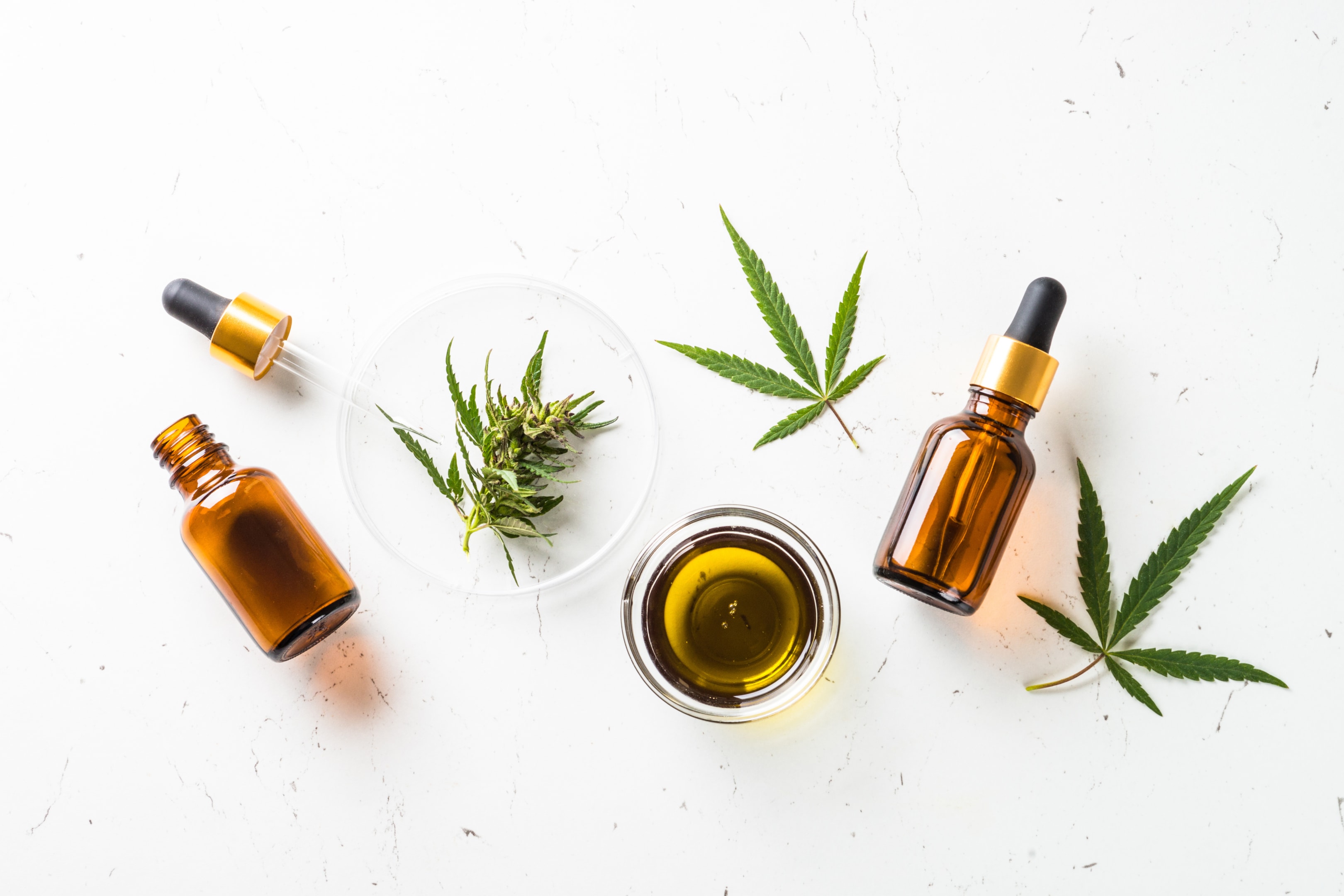
Navigating the legal landscape of Delta 9 requires a clear understanding of the laws and regulations that govern cannabis plants and their derivatives. The 2018 Farm Bill was a pivotal moment for the industry, legalizing hemp and setting a clear THC limit for such products. This has allowed the development of Delta 9 THC products that comply with federal level standards, providing consumers with safe and legal options.
As the conversation around medical cannabis and recreational marijuana continues to evolve, potential changes in federal law could further impact how THC products are regulated and perceived. The possible rescheduling of marijuana could lead to more research opportunities and a greater acceptance of cannabis in various forms, from Delta 9 THC to Delta 8 THC.
At 3CHI, we are committed to staying at the forefront of these developments, ensuring that our Delta 9 THC products and other hemp-derived products meet all legal requirements and provide our customers with high-quality options. Whether you’re exploring Delta 8 THC or looking for compliant THC products, understanding the legal context is crucial for making informed decisions.
The dynamic nature of cannabis legislation highlights the importance of staying informed and adaptable. By keeping up with the latest legal changes and maintaining rigorous compliance standards, we aim to offer such products that are both safe and effective. As the industry grows and evolves, our commitment to quality and legality remains steadfast, helping you navigate the world of cannabis with confidence.
To stay updated on all things cannabis and 3CHI, sign up for our newsletter here!
When you do, you get 5% off your first order and a free pack of Delta 8 gummies!