THCA
Weeding Rainbow: The Science of Colorful THCA Flowers
In today’s ever-changing cannabis landscape, THCA flower is emerging as the perfect blend of tradition and innovation. A Pew Research Center survey conducted in January 2024 found that 88% of U.S. adults believe marijuana should be legal for medical or recreational use. For decades, enthusiasts have admired the beauty of cannabis flower, long before lab reports and cannabinoid profiles became commonplace.
When you consume flower, you experience not just its unique aroma and flavor, but also a visual feast of vibrant colors that tell the story of the plant’s rich heritage. Flower also serves as a powerful ally in holistic wellness practices, helping to enhance mental clarity and relaxation.
At 3CHI, we pride ourselves on providing premium flower that delights your senses and supports whole-body wellness. Our carefully curated selection caters to those who value high-quality THCA and appreciate the artistry and science in every bud. Whether you’re new to cannabis or a seasoned connoisseur, we have something special to elevate your experience.
The Timeless Allure of Cannabis
For decades, the natural beauty of cannabis has been captivating. Before lab reports and cannabinoid profiles became the standard, consumers used visual cues, aroma, and flavor to choose their strain and enjoy the sensory experience of consuming flower. This connection to the plant in its most natural form persists even in today’s advanced market.
The Science of Cannabis Colors
The colors of our flower are more than just pretty pictures – they’re the result of some amazing chemistry. Central to these transformations are molecules called anthocyanins.
These non-psychoactive compounds, which are found throughout the cannabis plant, contribute to the deep purples, fiery oranges, and subtle blues in cannabis and also play a vital role in plant survival.
Anthocyanins: The Pigments of Cannabis
Anthocyanins are part of the flavonoid family and are synthesized via the phenylpropanoid pathway. As tetrahydrocannabinolic acid (THCA) accumulates in the flower, the interaction between these pigments and other cannabinoid acids creates a rainbow of colors.
Anthocyanins, with their unique chemical structure, protect the cannabis plant from ultraviolet rays and support its natural stress response. These pigments can even shape the flower’s aroma development, giving our flower its unique scent.
The Anthocyanin THCA Dance
Researchers have long been fascinated by the way these pigments interact with tetrahydrocannabinolic acid. While studies suggest anthocyanins may have benefits when consumed with other compounds, it’s clear the colors in the flower also signal the genetic potential of the cannabis strain. Whether you consume THCA in its raw form or as a refined cannabis product, the beauty of the flower tells the story of the plant’s journey.
Anthocyanins’ Role and the Cannabis Plant
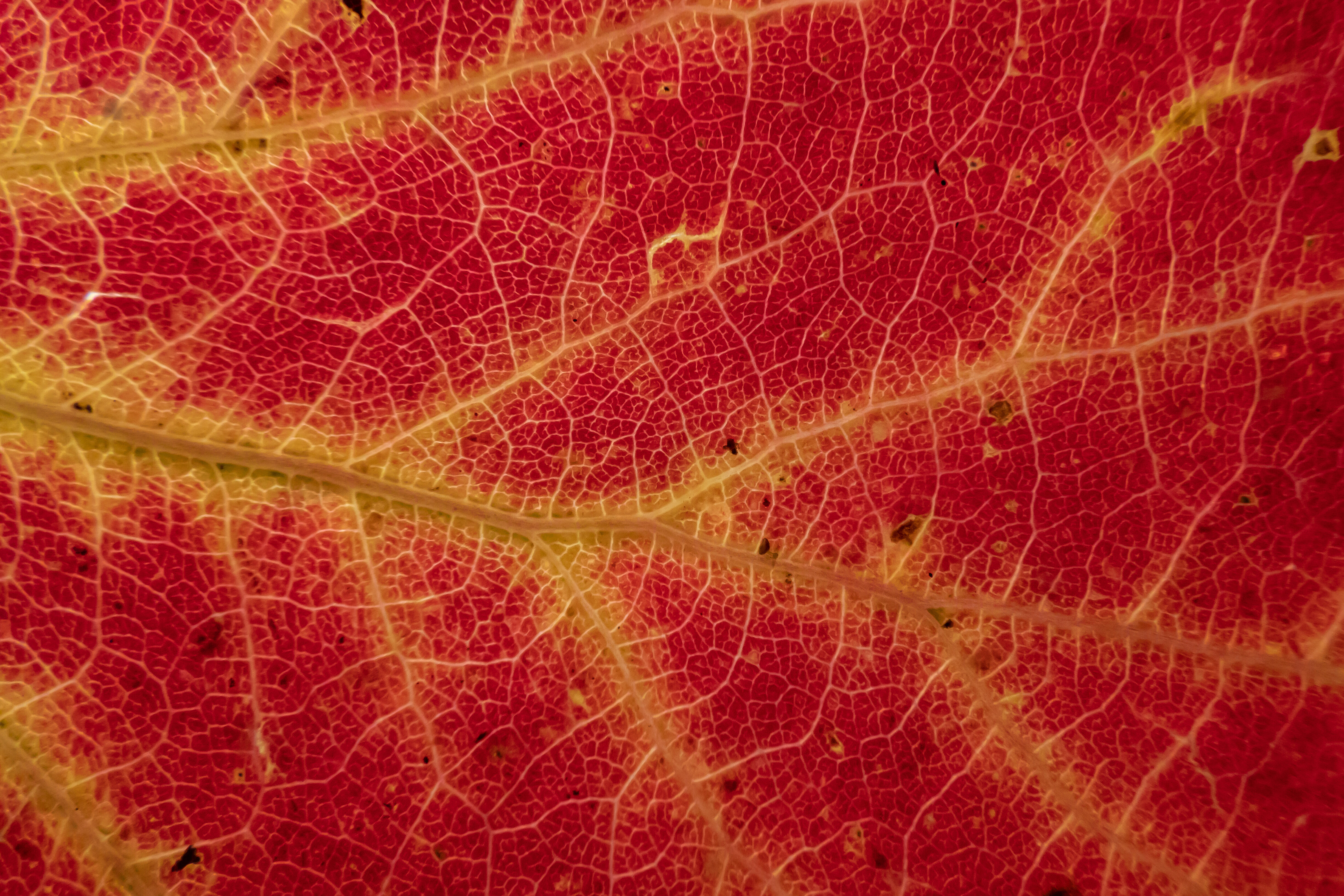
Anthocyanins serve several purposes in the cannabis plant. One is protection; these pigments act as a natural sunscreen that helps protect the cannabis plant from UV exposure.
When you consume buds, you’re not only enjoying the colors—you’re also experiencing the byproduct of a defense mechanism nature has perfected over time. Additionally, cannabis is uniquely harvested to preserve its high THCA content, offering potential health benefits without the psychoactive effects typically associated with traditional cannabis.
Environmental Stressors and Color Expression
Environmental stressors like temperature changes trigger anthocyanins. Depending on the strain, as the cannabis plant adapts to cooler temperatures, chlorophyll production slows, and other pigments emerge, creating the colors we see in our premium flower.
Some growers even adjust the pH of the growing medium to enhance the color expression in cannabis. A neutral pH of 6.0-6.5 can produce purple and blue hues, a phenomenon that excites both growers and consumers.
Attracting Pollinators and Deterring Pests
These pigments can also attract pollinators and deter pests. While consuming flower might sound modern, many have been using visual cues from cannabis to make their selections for decades.
The legacy of using visual appeal to guide consumer choices is alive and well in today’s market as evidenced by our premium THCA products that continue to thrill even the most discerning cannabis connoisseurs.
Cannabis plants are classified into different species, such as Cannabis Indica, which was identified by French biologist Jean-Baptiste Lamarck and is known for its unique properties compared to the European sativa plant.
THCA Flower Colors
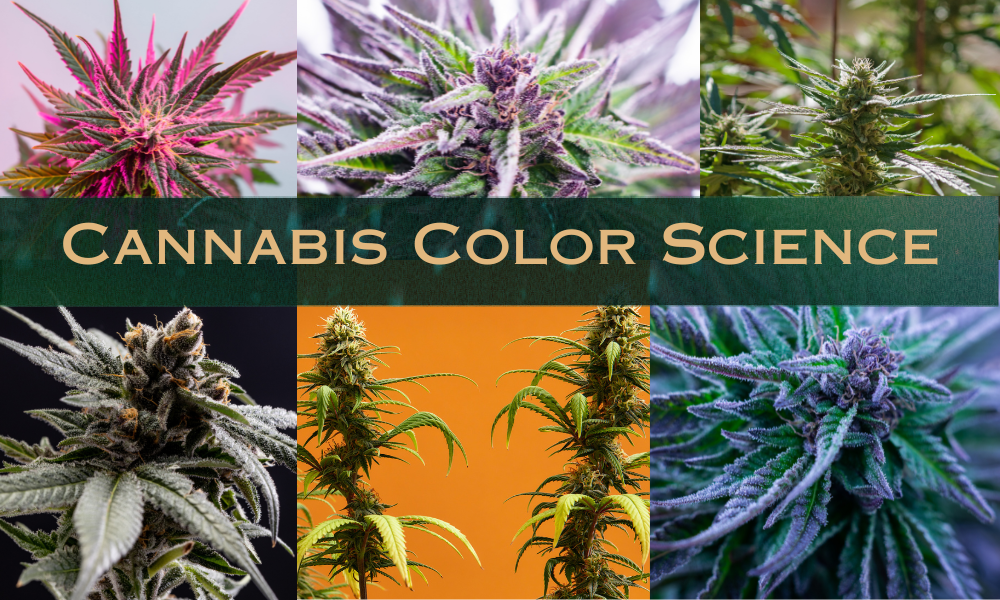
The strains of cannabis produce flowers with colors as diverse as their genetic makeup. Each color is a blend of genetic potential, growing conditions, and the anthocyanin/flavonoid dance.
Let’s take a look at the rainbow of colors you might find in cannabis.
Red and Pink
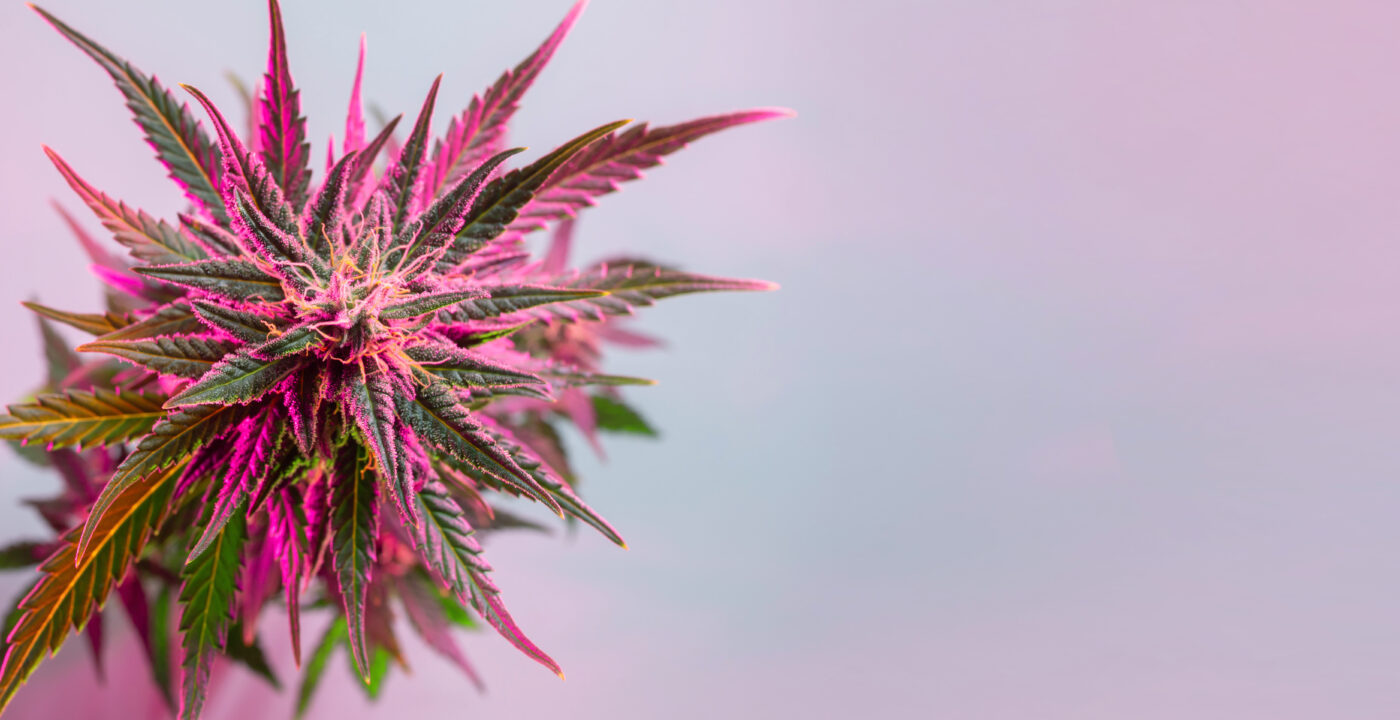
Red cannabis is the rarest in our collection. Specific genetics can produce pink and fuchsia colors in flower, which are often associated with unique flavor profiles and grounding effects.
These colors are found in strains like Panama Red, Tropicanna Poison, and Strawberry Cola Sherbet. When you consume flower with red or pink tones, you’re enjoying a premium flower that has been carefully cultivated to produce these colors. Consuming red and pink flower can elevate your well-being by enhancing your overall health and enjoyment.
Orange and Yellow
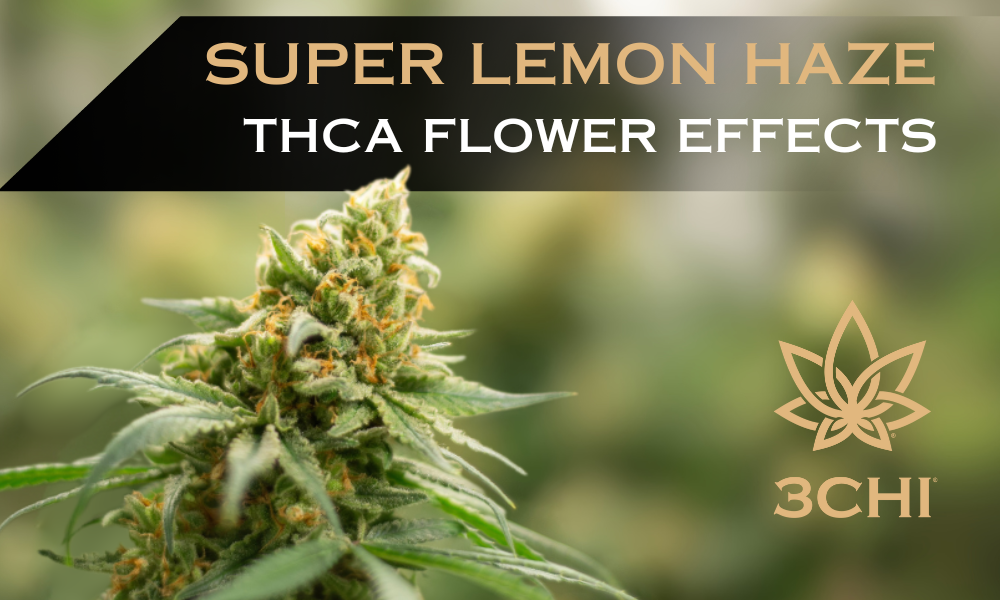
Orange and yellow colors in cannabis come from carotenoids – another group of pigments that add brightness to our flower. Strains like Orange Push Pop and Tangerine Dream have citrusy hues. These varieties have a citrusy aroma and are a favorite among individuals who love the sensory experience of THCA, tailoring their usage according to personal preferences and experiences.
Yellow strains like Super Lemon Haze and Golden Lemon are known for their bright appearance, which many believe enhances both the flavor and the visual of the cannabis plant. The Orange Push Pop THCA Flower is a great choice, combining the zest of orange with the complexity of THCA flower.
Green
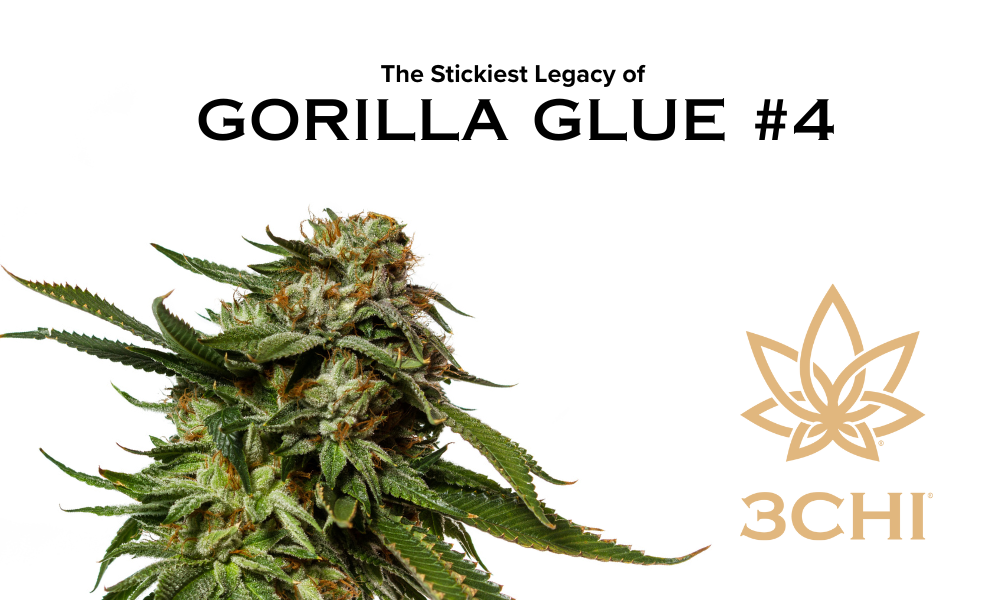
Green is the most common and recognizable color in cannabis. Chlorophyll dominance means many cannabis varieties remain green.
Our flower starts with a deep green color, and as anthocyanins and other compounds emerge, it changes into other colors. Iconic strains like Green Crack and Green Goblin remain green even in maturity and are a classic look many connoisseurs have grown to love. It is important to choose a consumption method that best suits individual preferences and needs.
Blue
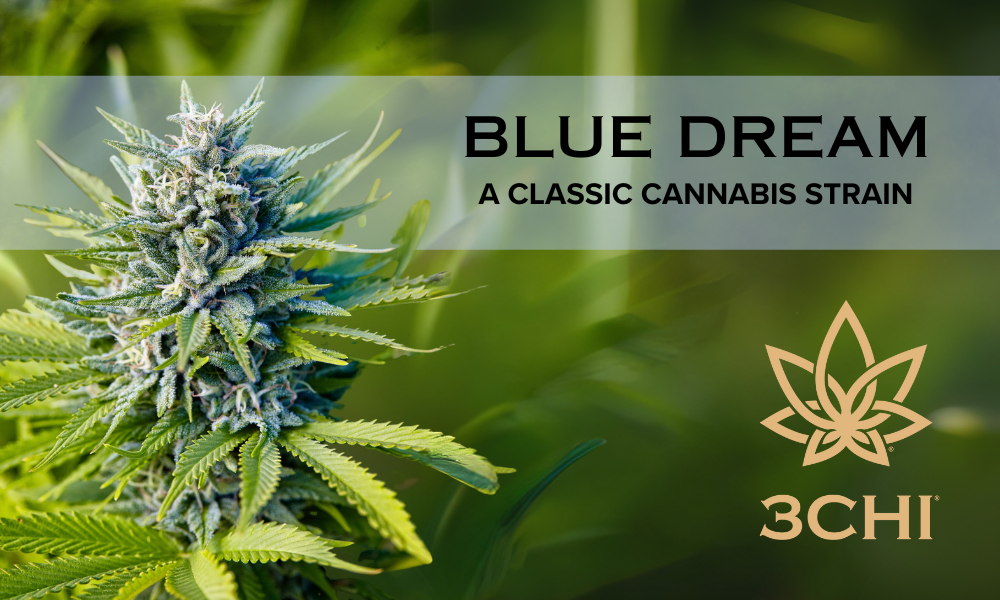
The indigo shades of cannabis are celebrated for their mesmerizing, otherworldly appearance. Blue colors in flower are usually due to high anthocyanin content. The legendary Blueberry strain, which dates back to the 1970s innovations of Dutch Passion, set the stage for many blue varieties.
Today, blue strains like Blue Dream, Blue Mystic, and Blue Cheese give you a visual treat and a smooth experience when you consume THCA.
Purple
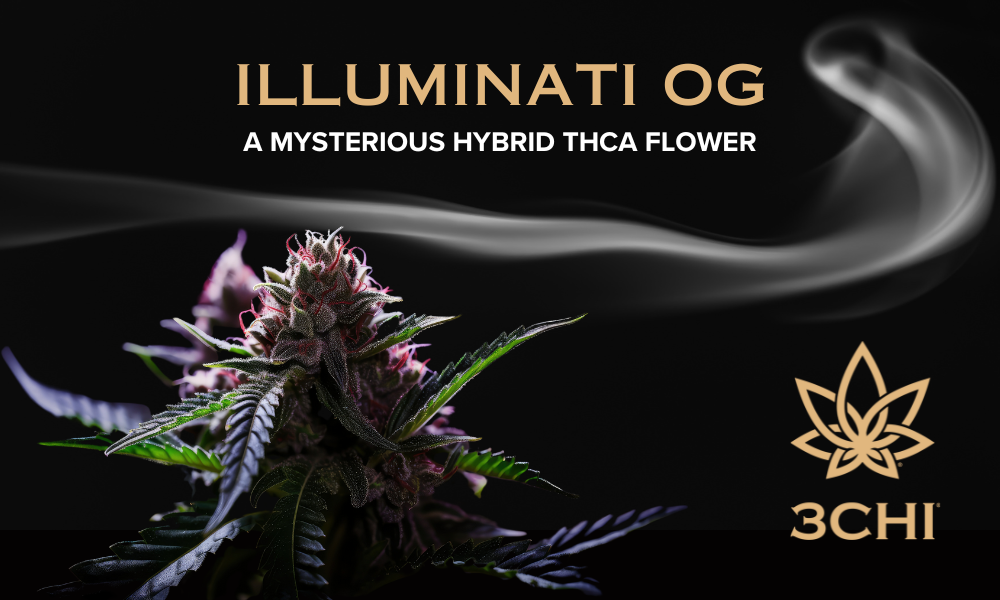
Maybe the most iconic of all, purple flower—seen in strains like Granddaddy Purple, Purple Haze, and THCA Flower – Mendo Purple Jager—is a favorite among cannabis connoisseurs. The deep purples come from high anthocyanin content, which contributes not only to the look but also the aroma and flavor. You can legally purchase purple THCA flower online from reputable sellers, ensuring you are informed about your options and responsibilities.
Purple Orangutan (or Gorilla) is another popular strain that produces chunky, trichome-covered buds with a complex profile. Whether you like the visual or the sensory experience, purple cannabis is a testament to the artistry in each bud. Experience the deep purples and intricate aroma with our Mendo Purple Jager THCA Flower.
White
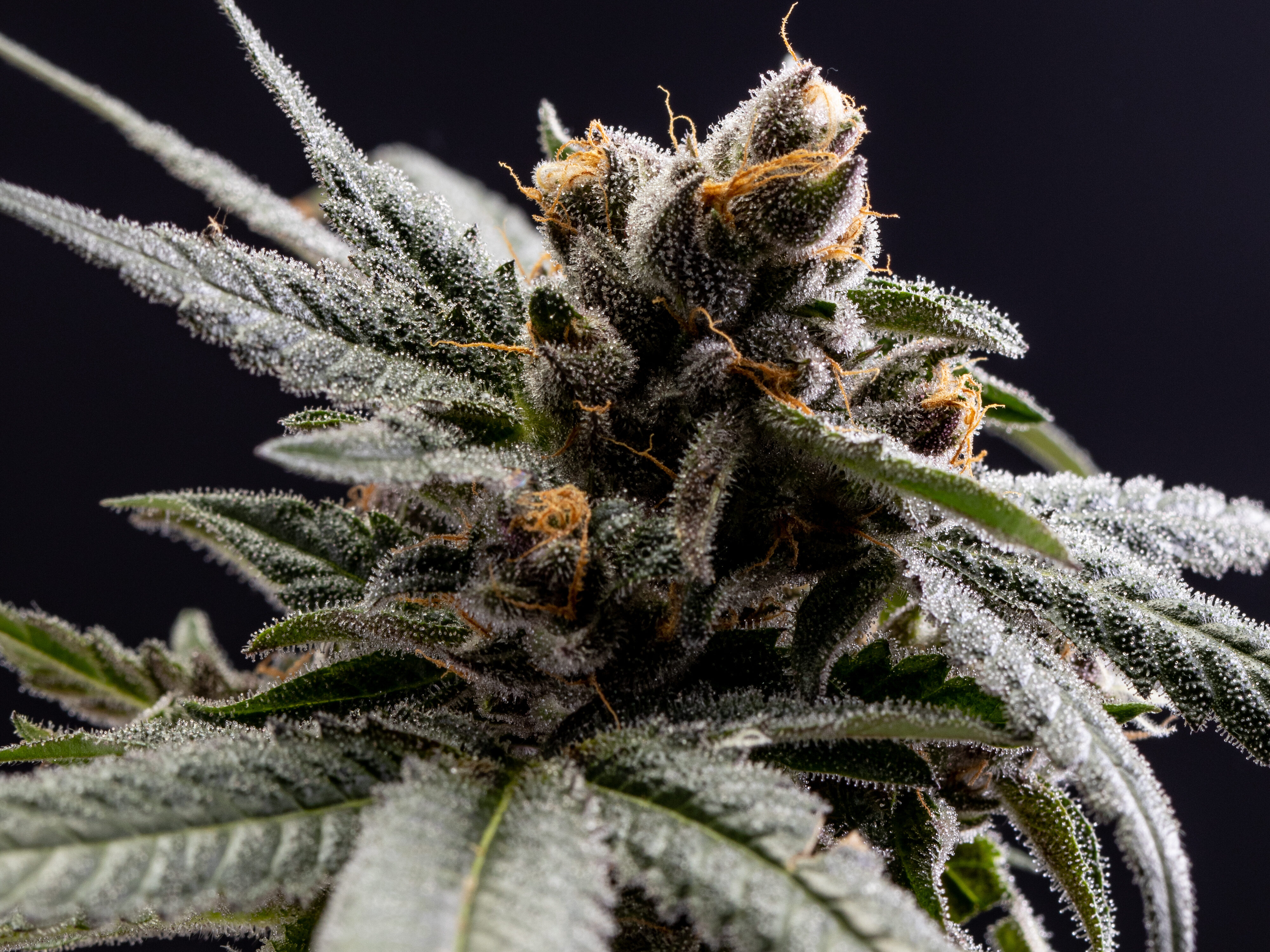
Some strains are famous for their near-white appearance, a result of dense trichome coverage. The density of these trichomes significantly contributes to the overall white, frosty look. Additionally, the pistils, which are the hair-like structures on the flower, can also contribute to this white appearance.
When pistils are young and have not yet developed their mature color (usually orange or red), they can appear white or very light, further enhancing the overall pale aesthetic of the buds. White Runtz THCA Flower is an example of our commitment to producing visually stunning and consistent premium THCA flower. The interplay of genetics allows for abundant resin production, increasing the popularity of this strain.
THCA Flower: Beyond Aesthetics
While the colors of flower mesmerize at first glance, they also hint at the journey of tetrahydrocannabinolic acid (THCA) in the cannabis plant. It’s only when THCA is decarboxylated, usually through heat, that it converts to delta 9 THC and produces psychoactive effects. Understanding state laws regarding the consumption of THCA products is crucial, as regulations vary and can impact legal considerations.
This means raw cannabis, including raw cannabis THCA flower, doesn’t produce euphoria until heat is applied. Many consumers choose to convert THCA using alternative methods, whether by smoking, vaporizing, or cooking, to unlock the full spectrum of psychoactive effects associated with delta 9 THC.
But even when not converted, the non-psychoactive nature of cannabis appeals to those who want a more balanced experience without the rapid onset of euphoria.
Purchase THCA Hemp Flower
When you consume flower from 3CHI, you can rest assured that our products are grown under tight quality control, so every bud is free of contaminants and meets local laws. We pay attention to the details—from genetic selection to packaging—so you get flower that’s as pretty as it is consistent. Additionally, 3CHI’s products are known for their high THCA content, offering unique properties without the psychoactive effects.
Growing Colorful Flower
Growing premium flower starts with carefully selected genetics at the cultivation stage. At 3CHI, we combine modern cultivation techniques with a deep respect for nature’s cycles to produce flower that are beautiful and consistent. Here’s what we follow to grow our THCA flower:
Genetic Selection and Strain Potential
It begins with the right genetics. Certain strains are known for producing high levels of THCA and colors. By choosing strains that naturally express anthocyanins, we set the stage for our flower to show its color spectrum—from green to purple. Cannabis plants are classified into different species, such as Cannabis Indica and Cannabis Sativa, each with unique properties and effects.
Temperature and pH Management
The growing environment is key. Cooler temperatures during the flowering stage inhibit chlorophyll production, allowing the rich pigments in cannabis to shine through.
Depending on the strain, managing the pH of the growing medium can also optimize color expression. A pH range of 6.0-6.5 enhances purple and blue hues, so our premium flower is not only beautiful but also a consistent product consumers love to consume THCA flower.
Light Spectrum Manipulation
Temperature’s not the only factor. Light exposure plays a big role in the development of colorful cannabis. Strategic light spectrum manipulation can trigger pigment production.
Growers who understand light cycles will coax the plant into producing flower that are potent and visually stunning. Whether your THCA flower is grown indoors or outdoors, the care that goes into light management is evident in every bud.
Nutrient Balancing
Nutrient management is another important factor. The balance of nutrients in the soil supports THCA and anthocyanin production. By fine-tuning nutrient levels, we ensure each bud is high in THCA and free of contaminants.
We design our cultivation practices to meet local regulations and the high standards of those who consume THCA. The ideal nutrient levels are crucial for optimizing THCA and anthocyanin production.
Social Media Buzz and FAQs
Across Twitter, Reddit, Facebook, and Quora, the conversations about flower are lively and varied. Here are some common questions we get:
“Why does THCA flower sometimes change color during the growing process?”
Several factors during growth can change the color of THCA flower. Cooler temperatures trigger anthocyanin production, leading to purple or blue hues. A change from vibrant green to yellow or gold can indicate the plant is nearing harvest time. These color changes are often a sign of the plant maturing and developing its unique characteristics.
“What do the colors of the trichomes on THCA flower tell me? How do they relate to the flower’s potency and effects?”
Trichome color is a key indicator of THCA flower maturity and potency. Clear trichomes generally mean the flower is not yet fully mature. Cloudy or milky white trichomes indicate peak THCA levels. Amber or golden trichomes suggest THCA is starting to degrade into CBN, which provides more sedative effects.
“Do the colors of THCA flower affect its aroma or flavor profile? How can I use color to guide my purchasing decisions?”
The colors themselves don’t directly affect the aroma or flavor, but the presence of anthocyanins and other pigments is often associated with specific terpene profiles that contribute to the overall sensory experience. For example, purple strains might have a berry-like aroma, while orange strains may have citrusy notes. Use color as one clue among many (including aroma and lab reports) to guide your choices.
“Can environmental factors after harvest, like curing and storage, affect the color of THCA flower? How can I best preserve its vibrant hues?”
Yes, environmental factors after harvest can affect the color of THCA flower. Exposure to light and air can degrade pigments and terpenes, leading to a loss of vibrancy. Proper curing and storage in airtight containers, away from direct light and heat, are essential to preserve the flower’s colors and overall quality.
These questions show that when you consume flower, you’re not just buying a product—you’re part of a community of enthusiasts exploring the cannabis. Join the conversation and share your experience with our THCA products.
3CHI Premium THCA Flower: Cultivating Greatness
At 3CHI, we want to deliver flower that showcases the beauty and flavor of the cannabis plant. Our products are designed for every consumer who consumes THCA flower. Whether you like classic green flower or a colorful bud, our products are for you.
Browse our THCA products on our website. Each product is made with love and care, so every bud is free of contaminants and compliant with local laws. You can legally purchase 3CHI’s THCA products online from reputable sellers, ensuring you are informed about your options and responsibilities.
New to 3CHI? Subscribe to our newsletter to learn more about THCA products and cannabis science. Get 20% off your first order and a free pack of gummies.