
THCA
All In the Family: Exploring THCA Flower & the Wider Cannabaceae Family
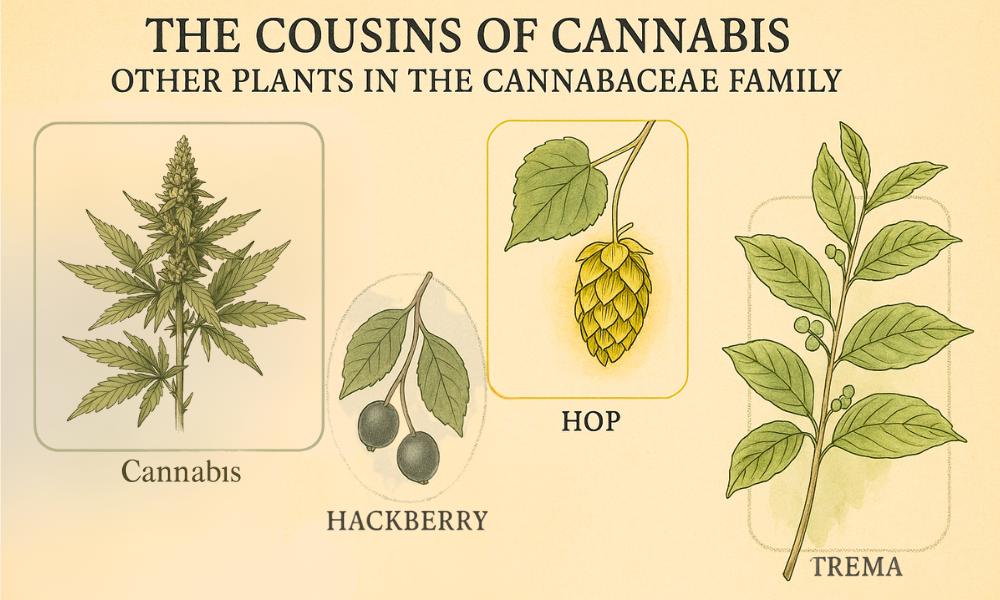
With 11 genera and more than 170 species under its leafy umbrella, the Cannabaceae family is a botanical clan brimming with variety—yet cannabis sativa’s THCA flower still steals the show. Picture a sun‑warmed arbor where hops coil around weathered posts, hackberry branches offer shade, and hemp stalks rise like green spires, all linked by a shared evolutionary lineage.
Today, we unlatch that gate, wander this living collection, and zero in on the family’s most dazzling cousin. Along the way, we’ll size up its relatives, walk through the federal guidelines that keep us compliant, and explore practical ways you can enjoy THCA flower—raw or decarbed—while staying well within federal law.
Cannabaceae 101: Roots, Shoots, and Relationships
Cannabaceae includes 11 accepted genera: Cannabis, Humulus, Celtis, Trema, Lozanella, Parasponia, Pteroceltis, Aphananthe, Chaetachme, and Gironniera. That’s an orchard of biodiversity, yet one branch draws the most buzz—cannabis. Within that branch, we see hemp, low‑THC cultivars bred for fiber and grain, and we see resin‑rich blossoms like THCA flower prized for their terpene flavor and cannabinoid depth.
Cannabis sativa, indica, and hybrid strains all belong here, each bred for nuances in quality, aroma, and effect. Nearby, Humulus lupulus (hops) brings the bitter charm found in craft ales, while Celtis occidentalis (hackberry) offers edible berries for wildlife and adventurous foragers.
Though different in appearance, these cousins share similar leaf venation and phytochemical building blocks. Understanding the family backdrop helps us appreciate why THCA products resonate with gardeners, brewers, and modern hemp enthusiasts alike.
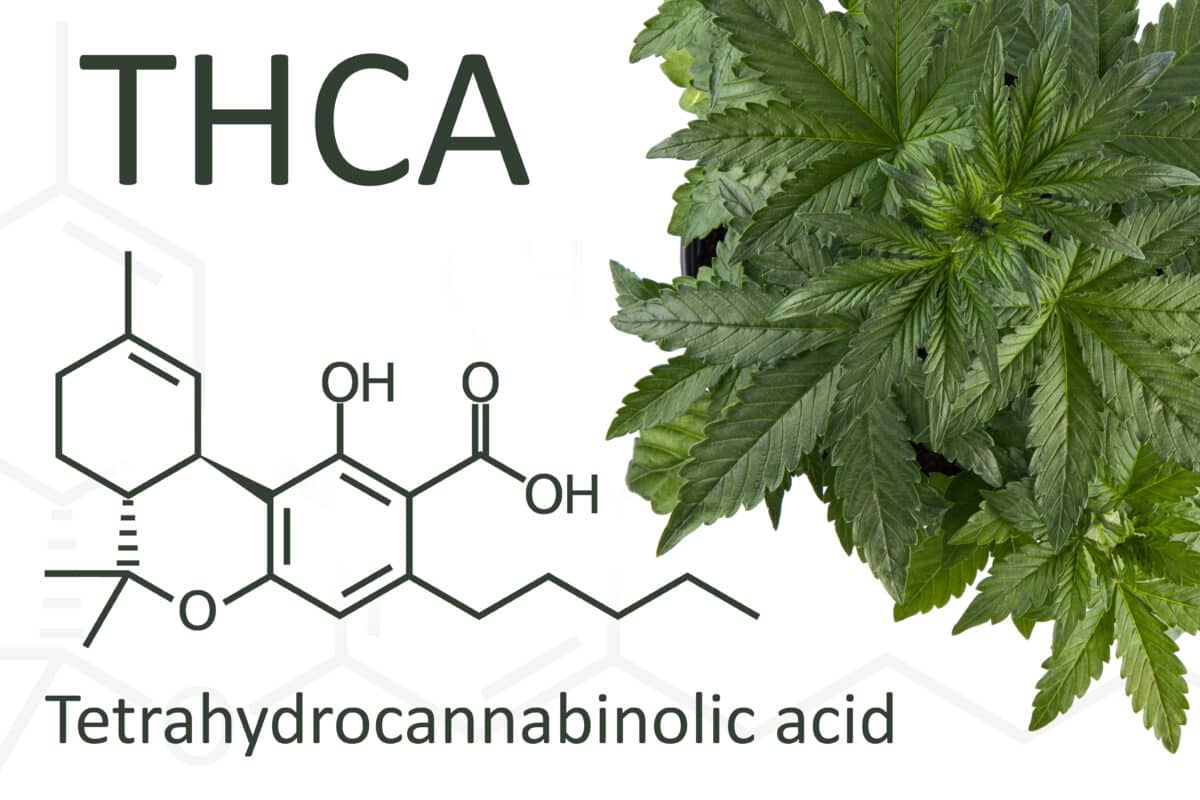
What Exactly Is THCA?
In living plant tissue, most cannabinoids appear in an acid form. Tetrahydrocannabinolic acid—often abbreviated simply as THCA or “THC A”—is the un‑decarboxylated precursor of delta 9 THC.
Because THCA carries an extra carboxyl group, it is considered a nonpsychoactive compound until heat, light, or time converts it. That means raw THCA flower delivers no immediate intoxicating effects; enthusiasts value it for daytime use, juicing, tinctures, and low‑heat culinary creations.
How THCA Converts
With sustained heat above roughly 230 °F (whether vaping, smoking, or on a baking sheet), THCA converts to delta 9 THC. Delta 9 THC is the primary psychoactive compound regulated by federal law and is the target of most drug tests. That decarboxylation is what changes the garden‑fresh aroma into a classic euphoric experience.
Whether you prefer rolling a cone, baking edibles, or vaporizing, that chemistry is key. We will outline practical methods in the “How to Enjoy” section, but keep in mind—THCA in its raw state remains nonpsychoactive.
Legal Roots: Farm Bill, Federal Guidelines & “Dry Weight”
Since the 2018 Farm Bill, hemp with no more than 0.3 % delta 9 THC by dry weight is federally legal. THCA flower fits snugly into that definition as long as post‑decarboxylation levels comply. We adhere to those federal guidelines with thorough lab tests, ensuring each batch meets the letter of federal law while offering a rich spectrum of cannabinoids.
Because THCA products sit at the intersection of hemp and cannabis regulation, savvy shoppers often ask, “Is THCA flower legal where I live?” Always reference state statutes in addition to federal law. Our compliance team keeps certificates of analysis posted for every SKU, so you can verify potency before you purchase.
The Family Lineup & Where THCA Flower Shines
Below is a quick tour of Cannabaceae cousins, plus notes on how we produce and present premium THCA flower.
| Genus | Notable Role | 3CHI Perspective |
|---|---|---|
| Cannabis (sativa, indica, hybrid) | Resinous flower containing THCA, CBD, and dozens of minor cannabinoids | Our THCA Flower – 3CHI showcase robust terpenes and artisan curing for top‑tier quality |
| Humulus (Hops) | Adds aroma to beer; shares terpenes like myrcene and humulene | Cross‑infuse hop‑derived terpenes into tinctures for layered flavor |
| Celtis (Hackberries) | Shade tree with edible fruit | We’re exploring hackberry infusions for future releases |
| Trema | Pioneer species for soil restoration | Sustainable companion plant in our regenerative farm partners’ fields |
| Remaining genera (Lozanella, Parasponia, Pteroceltis, Aphananthe, Chaetachme, Gironniera) | Mostly ornamental or ecological | Highlighted in our grow‑guide series so gardeners grasp the full family connection |
Spotlight on Our Signature Cultivars
We select boutique sativa, indica, and hybrid phenotypes to create an approachable range:
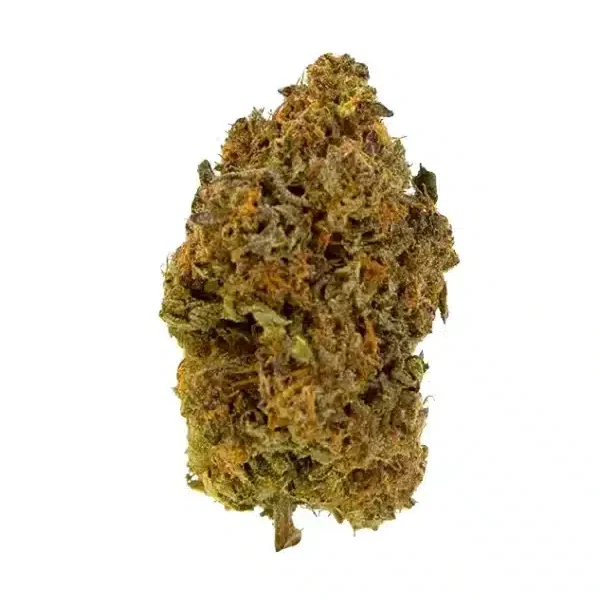
Gelato 41 (dessert‑leaning hybrid with creamy citrus notes)
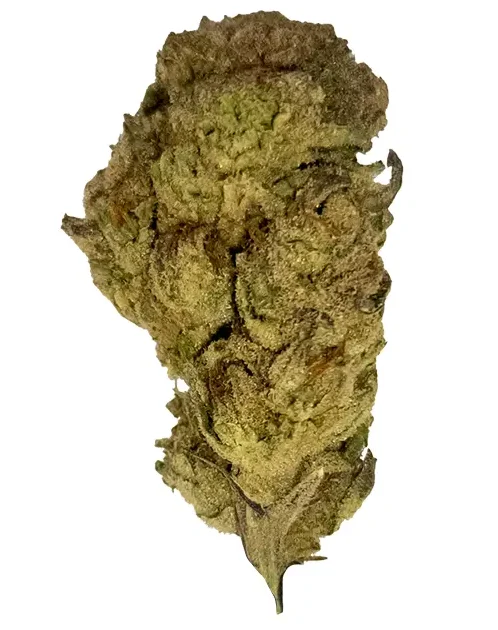
Blue Dream (bright sativa classic for daytime creativity)
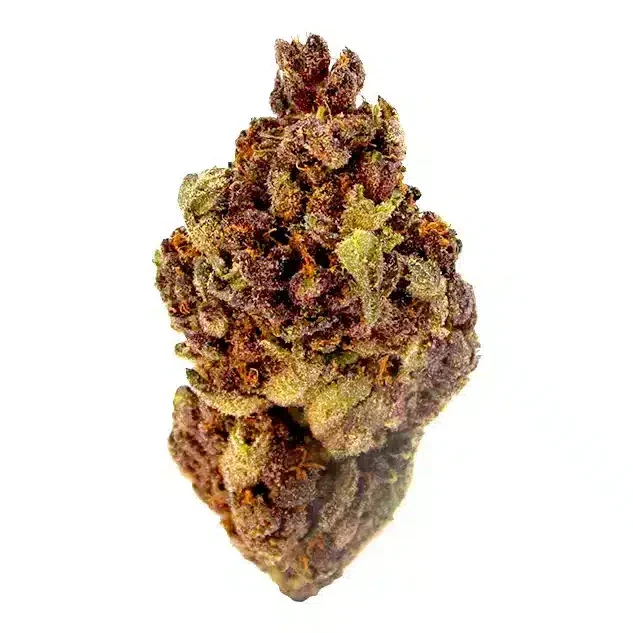
Gorilla Glue 4 (sticky indica‑dominant hybrid with pine‑diesel aroma)
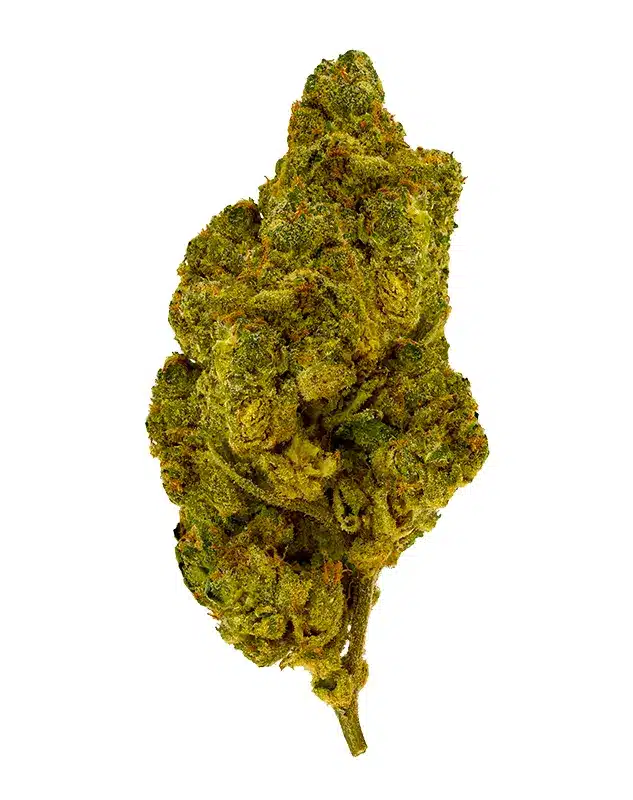
Gary Payton (balanced hybrid prized for nuanced gas‑and‑cookie profile)
Each jar is hand‑trimmed, slow‑cured, and vacuum‑sealed before being shipped directly to your door. This meticulous process preserves terpene richness, yields consistent quality, and justifies the price our discerning customers expect.
How to Enjoy & Consume THCA Flower in Various Ways
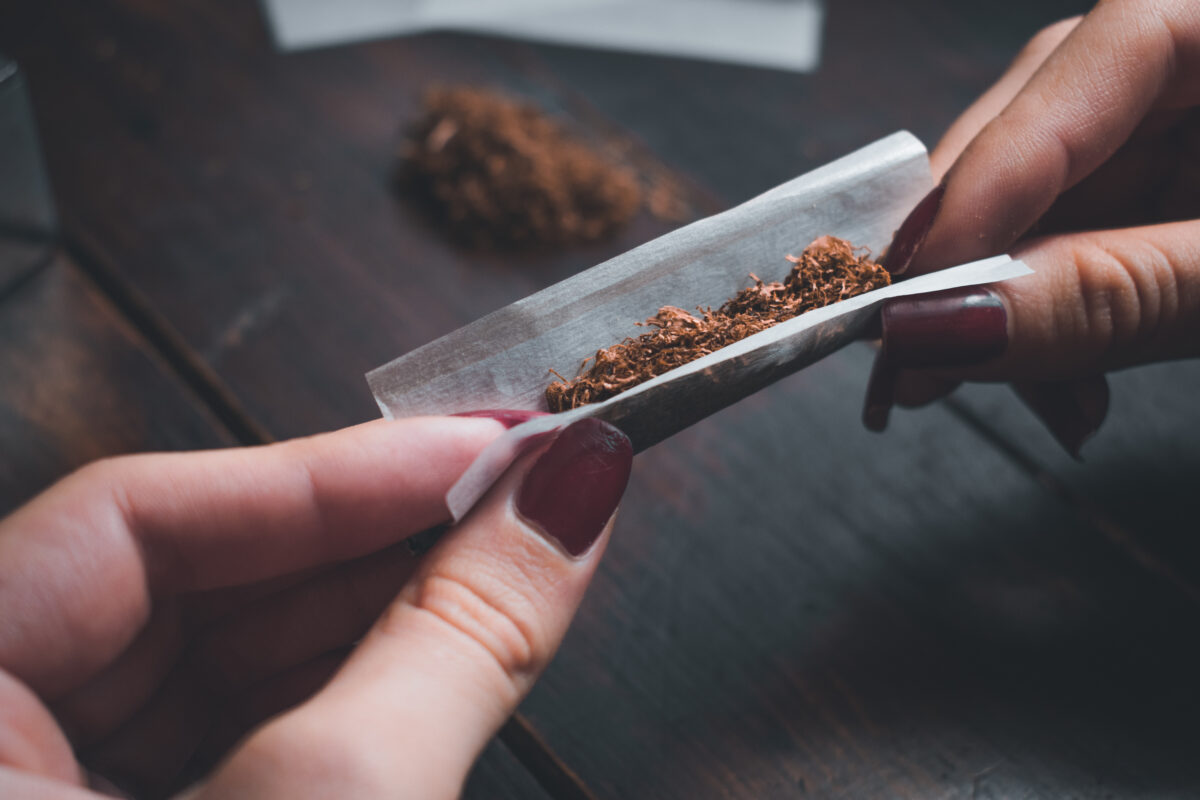
Classic Rolling
The aroma of a freshly ground flower blends notes of pine and stone fruit. Use a slow‑burn hemp paper, pack lightly, and twist. Rolling evenly ensures full vaporization so THCA converts smoothly without scorching terpenes.
Pro tip: Add a pinch of hop flower to highlight citrus‑pine flavor layers.
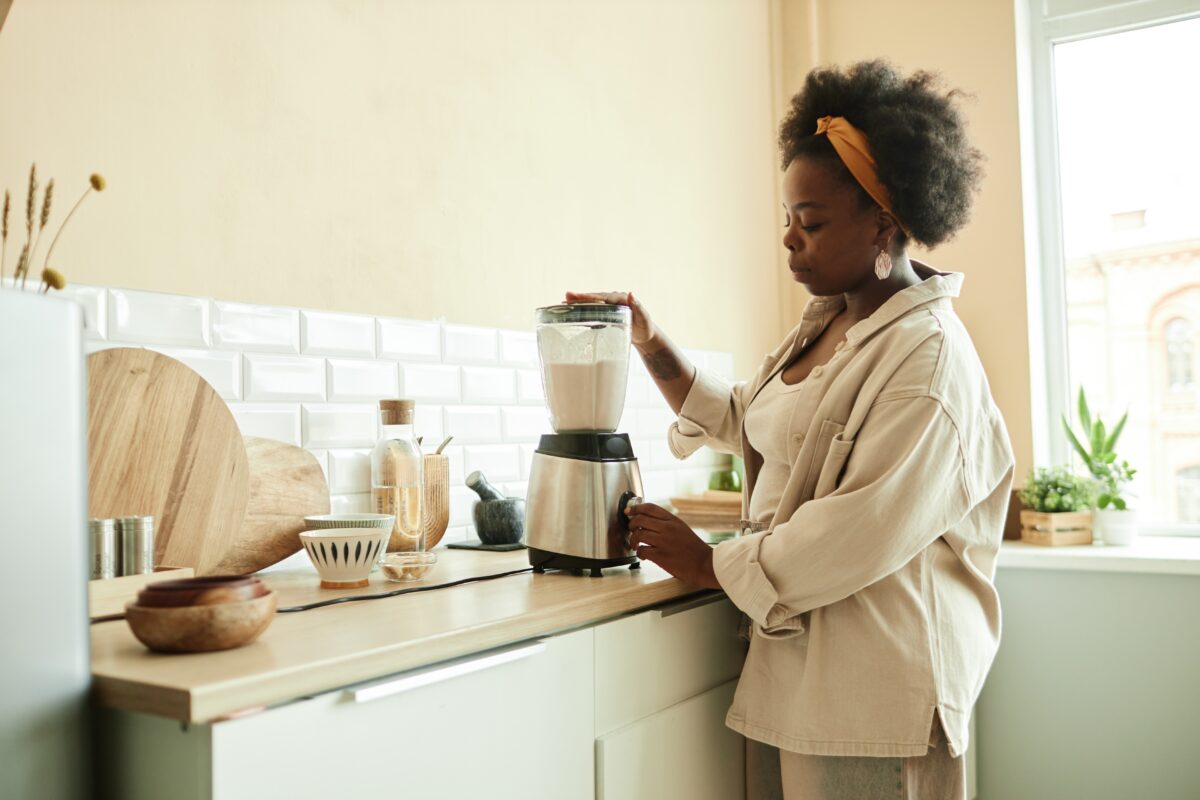
No‑Heat Herb Infusion
For a nonpsychoactive healthy smoothie:
- Flash‑freeze raw THCA flower.
- Pulse with banana, ginger, and apple.
- Sip chilled—no decarboxylation means THC A stays in its acid form, perfect for morning clarity.
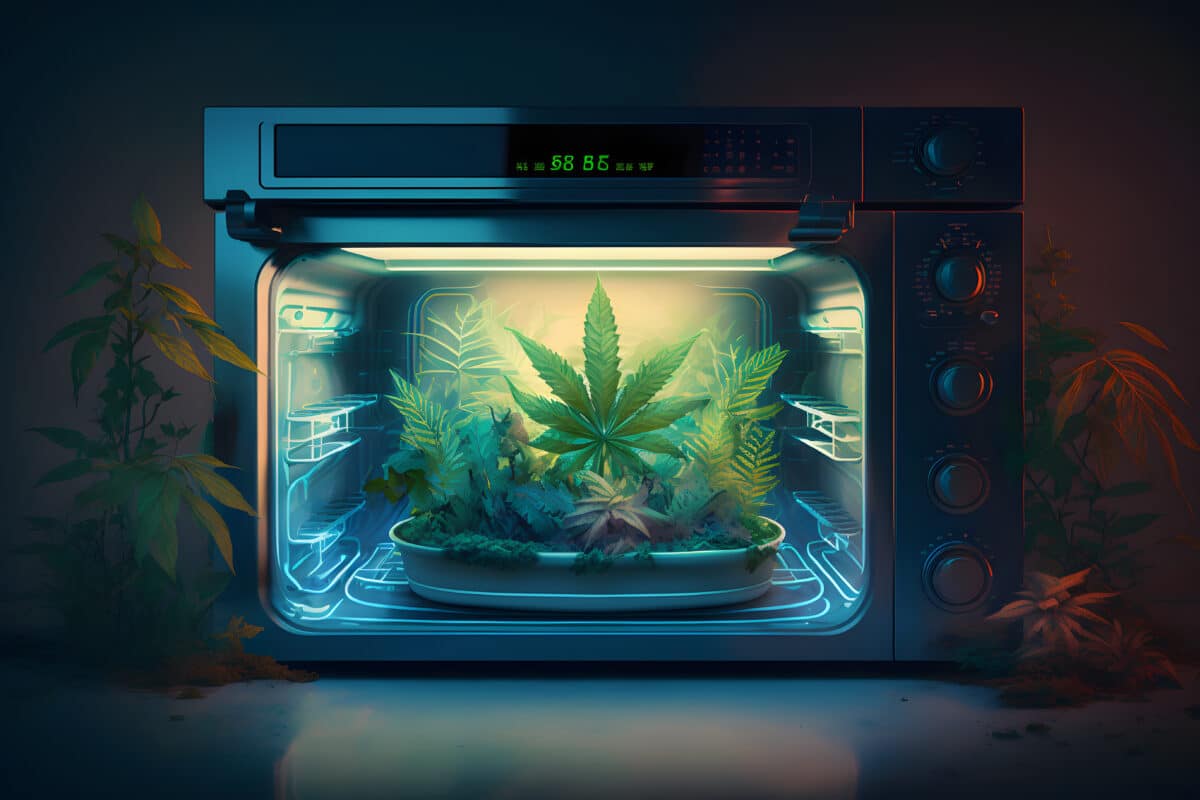
Simple Oven Decarb for Edibles
- Preheat oven to 240 °F.
- Spread ground THCA flower on parchment; bake for 40 minutes.
- Cool, then blend into coconut oil at 180 °F for two hours.
This base oil pairs well with brownies, vinaigrettes, or even hop‑buttered popcorn.

Vaporize for Daytime Use
Connoisseurs seeking delicate terpene nuance favor vaporizers set to 350 °F. That temperature range converts a majority of THC A, yet remains gentle enough for refined flavor. With 3CHI’s unique vape pod system, you get two easy temperature settings: Low and High.
Simply click the button three times in a row to change between the two settings. Low is great for everyday use, sensitive throats, and capturing more of the terpene spectrum. High is a warmer vapor, increasing the potency of each hit, but may feel harsher on the throat.
Dosing, Drug Test Concerns & THCA Flower Legal Nuances
Because THCA is not yet a psychoactive compound, novice users sometimes underestimate potency once decarbed. Begin with 0.25 g of flower after conversion; wait 90 minutes before increasing. Remember, everybody processes cannabinoids differently, and factors like hydration, metabolism, and sleep affect the difference between euphoric lift and overindulgence.
Drug Tests & Metabolites
Many routine drug tests look for THC‑COOH, a metabolite formed after delta 9 THC exposure. Consuming decarbed THCA flower can lead to detectable levels. Even raw ingestion may trigger a drug test flag if stomach acid performs slow conversion. We encourage professionals subject to workplace screening to evaluate personal risk and consult policy advisors.
Comparing THCA Flower to Traditional Hemp & CBD
| Feature | THCA Flower | Standard Hemp Flower |
|---|---|---|
| Dominant cannabinoid | THCA ≈ 15‑28 % | CBD ≈ 12‑15 % |
| Psychoactive compound potential | High after heat | Minimal |
| Best for | Fans seeking full‑spectrum experience & true cannabis bouquet while staying within federal guidelines | Wellness users wanting gentle support from a non psychoactive compound |
| Preparation styles | Rolling, vaping, cooking, juicing | Rolling, vaping, infusion |
| Target price | Premium—reflects boutique genetics & curing | Moderate |
The difference in effects largely hinges on decarboxylation. When THCA flower remains raw it offers a nonpsychoactive path to the entourage experience. Decarbed, it rivals dispensary‑grade cannabis yet stays under the federally legal threshold by dry weight at the point of sale.
Quality & Transparency at Every Step
Our cultivation partners practice regenerative farming, companion‑planting hops, and clover to enrich soil biology. That holistic approach produces nutrient‑dense flower with striking terpene complexity. We triple‑test harvests—once at the farm, once after curing, and a final time before packaging. Those certificates validate cannabinoids, confirm heavy‑metal safety, and demonstrate adherence to federal guidelines.
Consistency is more than a buzzword: it’s why chefs, connoisseurs, and first‑time buyers trust our THCA products. From strain‑specific jar art to humidity‑control packs, every detail underscores our commitment to quality.
Frequently Asked Questions
Will raw THCA flower show up on a workplace drug test?
Yes. Even though raw THCA is nonpsychoactive, some testing panels cannot distinguish precursors from metabolites. Always check lab methodology and employer policy before consumption.
Is THCA flower legal in every state?
Federally, hemp‑derived THCA is permissible under the Farm Bill. Still, certain states restrict total THC or specifically regulate THCA products. Review local statutes and keep lab documentation handy.
What’s the difference between THC A and delta 9 THC?
THC A is the acid form present in fresh flower. Heat removes the carboxyl group, producing delta 9 THC, the well‑known psychoactive compound responsible for euphoric sensations.
How do I store my Gelato 41 jars?
Keep sealed in a dark, 60 °F space. That preserves terpene flavor, cannabinoids, and the vibrant emerald hue that denotes peak quality.
The Bottom Line: One Family, Many Paths to Enjoyment
From hops climbing a trellis to hackberries lining a rural lane, the Cannabaceae family is rich with diversity. Yet it is the crystalline allure of THCA flower that captivates modern enthusiasts seeking premium hemp without the red tape of dispensary networks.
By nurturing sativa, indica, and hybrid genetics, practicing rigorous testing, and honoring federal guidelines, we offer you a clear path to explore potent aromas, amazing colors, and nuanced experiences—whether you prefer rolling a cone, crafting edibles, or brewing a hop‑infused tisane.
Ready to invite these garden‑grown gems into your life? Subscribe to our newsletter now and unlock 20 % off your first order plus a free pack of gummies.
You’ll receive seasonal tips, new strain drops, special price alerts, and in‑depth guides on everything from low‑temp decarb to daytime‑use pairings. Click below to join the 3CHI family—let’s cultivate greatness together!