
Delta 8 THC, Delta 9 THC, HHC, News
Enhance Your Exercise Game: Cannabis For Workout Recovery
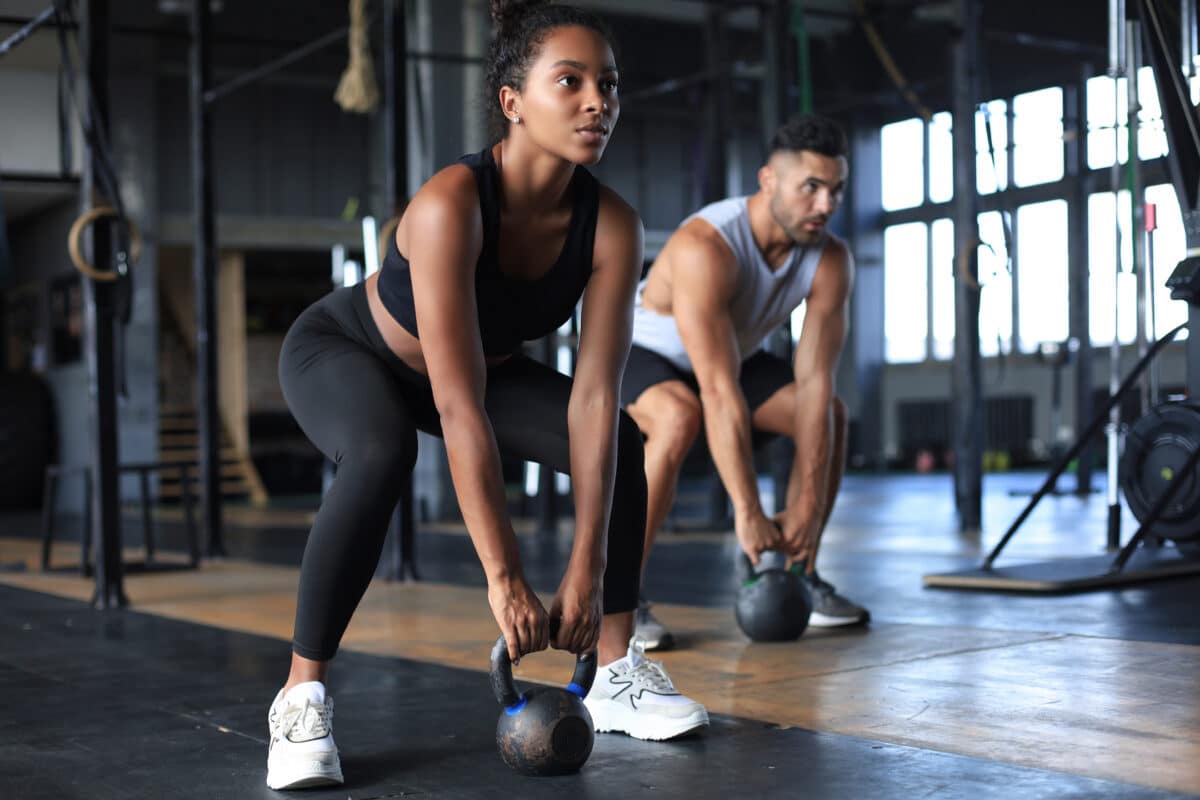
As the fusion of fitness and wellness continues to evolve, a curious contender has entered the scene: cannabis.
For those eager to optimize their workouts or soothe sore muscles, the potential effects of cannabis for workout enhancement and exercise recovery are creating quite the buzz.
Wondering how using cannabis can align with your fitness goals?
Throughout this article, when we reference THC, we are referring to either Delta 8 or Delta 9 THC. Both have been reported to create more psychoactive effects than its CBD counterpart.
Dive in with us at 3CHI as we explore the effects of cannabis on muscle recovery and how this plant might revolutionize your post-gym routine.
Effects of Cannabis and Exercise: Elevating Your Workout Experience

The interplay between cannabis and exercise isn’t just about getting a buzz while breaking a sweat. For many, using cannabis pre or post-workout has opened up a new dimension in their fitness routines.
While the effects of cannabis are vast and varied, some athletes and casual gym-goers alike have reported enhanced focus during their workouts and a potential reduction in muscle soreness afterwards.
Curious about how cannabis may integrate with different exercise modalities?
Some users have noted that sativa strains might boost their exercise intensity, making those high-energy workouts feel more engaging. Meanwhile, others lean towards CBD post-workout, seeking its potential for recovery after a particularly grueling session.
As with everything, individual experiences vary. But as the cannabis industry evolves, it’s becoming increasingly clear that the relationship between cannabis and exercise might be more beneficial than one might think.
Navigating the Dance of CBD and THC in Muscle Recovery
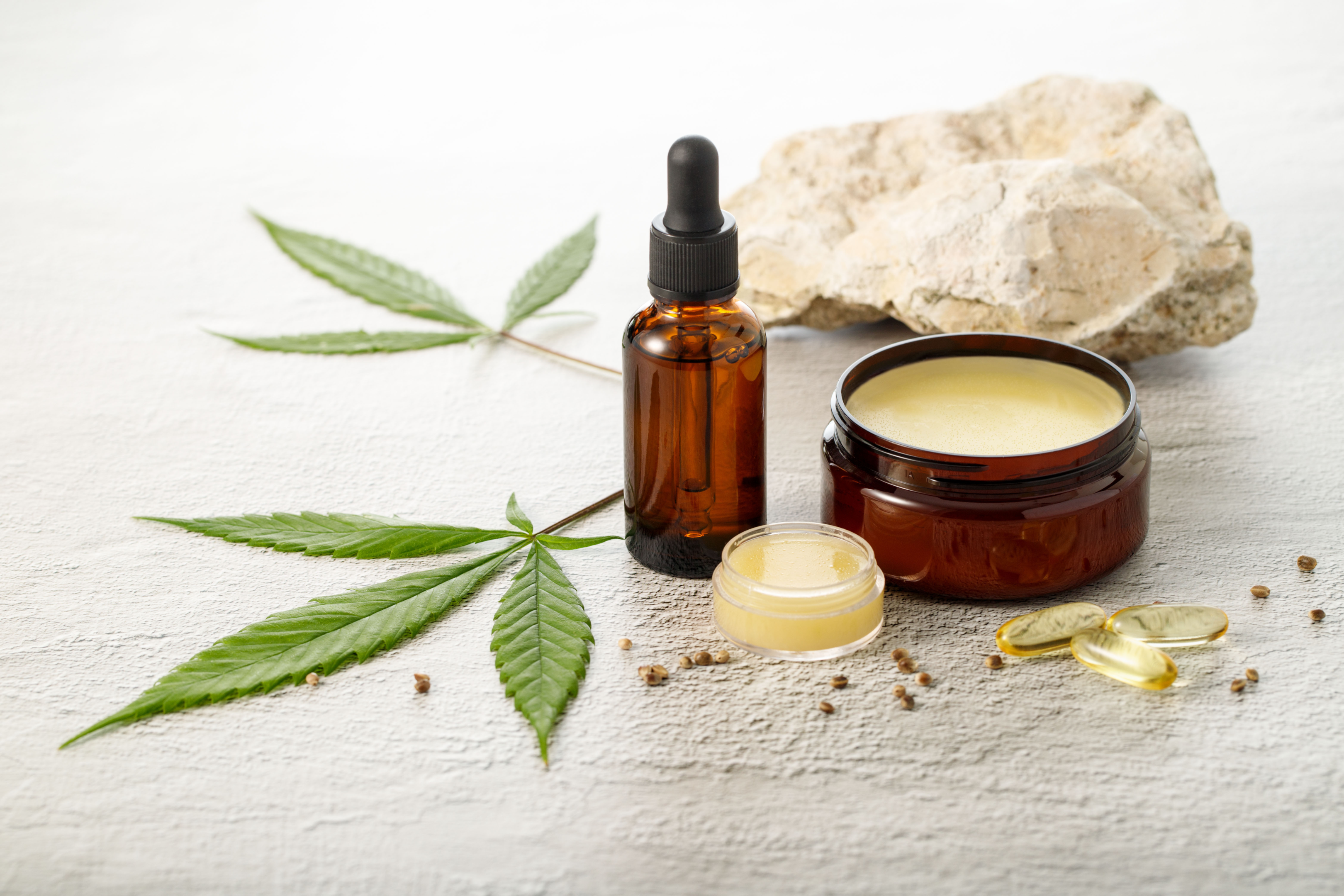
Navigating the intricate interplay between THC and CBD can be a fascinating journey for the fitness enthusiast. When we talk about THC, often associated with that signature ‘high’, it’s not just about a euphoric feeling.
Potential Effects of Tetrahydrocannabinol (THC)
For some, THC before a workout can amplify the mind-muscle connection, allowing for a deeper focus and engagement with every rep, every set. This enhanced mindfulness can potentially elevate your workouts, making every movement more intentional and efficient.
It has the potential to create similar effects to those that get a ‘runner’s high.’ That feeling appears to be linked with the body’s endocannabinoid system, using the same receptors that cannabinoids link to. Thus, people might use cannabis to try and tap into that euphoric workout feeling a bit quicker and easier.
Potential Benefits of Utilizing CBD
On the other side of the spectrum is CBD, the non-psychoactive superstar in the realm of exercise recovery. CBD has garnered attention for its potential in assisting with muscle recovery and expediting the repairing of muscle damage.
The reason?
After an intense workout, our muscles experience micro-tears and that all-too-familiar soreness. CBD’s potential may assist in reducing aches, promoting faster healing and getting you back in the game quicker.
While the debate around using cannabis for workout enhancement and recovery continues, one thing is evident: both THC and CBD bring unique attributes to the table. CBD supplements have grown in popularity amongst athletes for these very reasons.
Whether you’re lighting up a joint to heighten your mind-muscle connection or reaching for a CBD salve post-workout, the fusion of cannabis and exercise offers a world of possibilities to explore.
How Medical Cannabis Can Aid in Exercise Recovery
Ever feel more sore 2-3 days after your workout?
That dreaded delayed onset muscle soreness might kick in the next day or in three days. Either way, it’s doubtful most people would call that an enjoyable experience.
There’s growing chatter in the cannabis industry about how medical cannabis might come to the rescue. Some compounds in cannabis plants, particularly cannabidiol (CBD), have reliving effects that may help after intense physical activity.
As always, understanding your body and its responses is key, ensuring that your cannabis use complements your fitness journey in the most beneficial way. Whether you favor THC alone, or mixed with various CBD products, there is the potential that one or both might aid in your overall fitness journey.
The Ongoing Debate: Cannabis and Athletic Performance
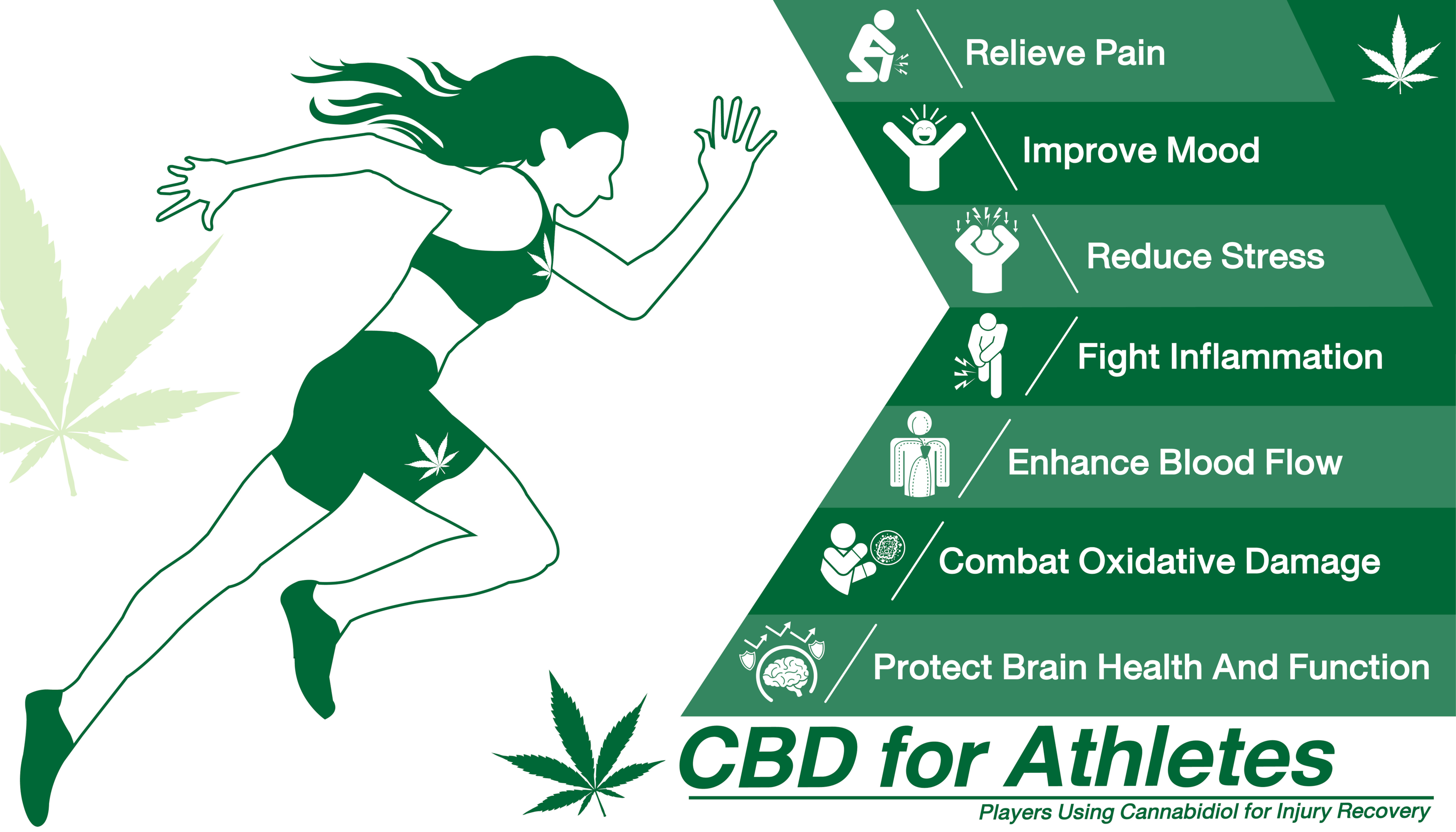
When it comes to athletic performance, cannabis use has been a topic of considerable debate and research. While animal models and human studies have produced a mixed bag of results, anecdotal evidence from cannabis users suggests there may be more to the story.
For starters, using cannabis—particularly through smoking cannabis—hasn’t been conclusively proven to directly enhance performance in sports or exercise. In fact, some research suggests it might even impede maximal exercise performance. However, this doesn’t negate the potential indirect benefits that some users report.
From muscle soreness to other pain management, it’s clear the more cannabis research is warranted. The current anecdotal evidence and the potential benefits cannabis and CBD products may bring cannot be ignored. With regard to post-exercise recovery and ability to reduce pain, utilizing CBD products at a minimum is worth a deeper, more systematic review.
Potential Pain Management
One notable avenue is pain management.
Pain relief from cannabis use has been widely reported, and for many, this relief may serve as a powerful motivator. Imagine the lingering muscle pain from a past injury or the chronic ache that’s been your constant companion.
Now imagine that pain significantly reduced. You’d likely feel more motivated to engage in regular exercise, wouldn’t you?
By potentially alleviating pain, using cannabis might push individuals to move more, exercise longer, or even try activities they’d previously shied away from.
Improved Head Space
Additionally, the mental and emotional aspects of consuming cannabis shouldn’t be overlooked. For some, the relaxation and reduced anxiety from cannabis use could create a more positive mindset towards workouts. If you’re in a better headspace, you might push harder, endure longer, or simply enjoy your exercise regimen more.
While we can’t definitively say that utilizing cannabis will make you a better athlete, it’s undeniable that its effects on pain relief and motivation could indirectly influence one’s exercise performance.
As always, individual experiences vary, and while some may find benefits, others might not. But in the ever-evolving world of fitness and cannabis, the potential synergies remain a captivating area of exploration.
Improved Sleep

One of the most discussed effects of cannabis is its potential to enhance sleep quality.
Research suggests that cannabis may play a role in deepening sleep and lengthening the duration of the REM cycle. Better sleep isn’t just about feeling refreshed the next morning—it directly impacts exercise performance and exercise recovery. When we rest well, our bodies have a better chance to repair muscle damage from intense workouts, making muscle recovery more efficient.
So, while many athletes and fitness enthusiasts use cannabis to reap the acute effects during workouts, many are also discovering its potential benefits post-exercise, particularly for a rejuvenating sleep.
Not Just for Exercise Recovery
Moreover, good sleep transcends beyond just aiding in workout recovery.
It’s a cornerstone of overall health, affecting everything from cognitive function to mood regulation. While smoking cannabis isn’t the only method of consumption, many individuals report a more restful sleep when they incorporate certain cannabis products into their nighttime routines.
As we continue to understand how cannabis use intertwines with health, it’s becoming increasingly evident that its potential influence on sleep can play a crucial role not just for athletes, but for anyone seeking to maintain a balanced and healthy lifestyle.
The World Anti-Doping Stance on Cannabis and Its Implications

The intersection of cannabis use and professional sports is a vibrant and evolving area of discussion. As more athletes show interest in the potential benefits of cannabis, the regulatory landscape becomes crucial to explore. Enter the World Anti Doping Agency, a powerhouse in sports health, steering the ship of rules and regulations.
Be Wary of Banned Substances
For those in the professional sports realm, cannabis use comes with some strings attached. It’s currently flagged on the prohibited substance list. Athletes who opt to use cannabis run the risk of penalties, perhaps even seeing the sunset on their careers prematurely if they’re caught.
Why?
The underlying motivation is to ensure fairness in competition and uphold the sanctity of sports. There’s an underlying concern that cannabis might either provide an unfair edge or, inversely, act as a hindrance to performance. That’s why it has made the banned substance list.
However, there’s a silver lining here.
Leagues in Favor of Athletes Using Cannabis
Many major leagues, such as the NBA and NFL, have been progressive in their approach.
Recognizing the shifting global perception and potential health and exercise recovery benefits, these leagues have relaxed their stances and no longer test professional athletes for cannabis products. This marks a significant shift, acknowledging both the evolving scientific understanding of cannabis use and the societal change in perception.
For all athletes, amateur or professional, staying informed is vital. As we journey further into the marriage of sports health and cannabis, the horizon promises evolving regulations and a deeper understanding of how the two can coexist.
Navigating the Cannabis Industry for Workout and Athletic Recovery
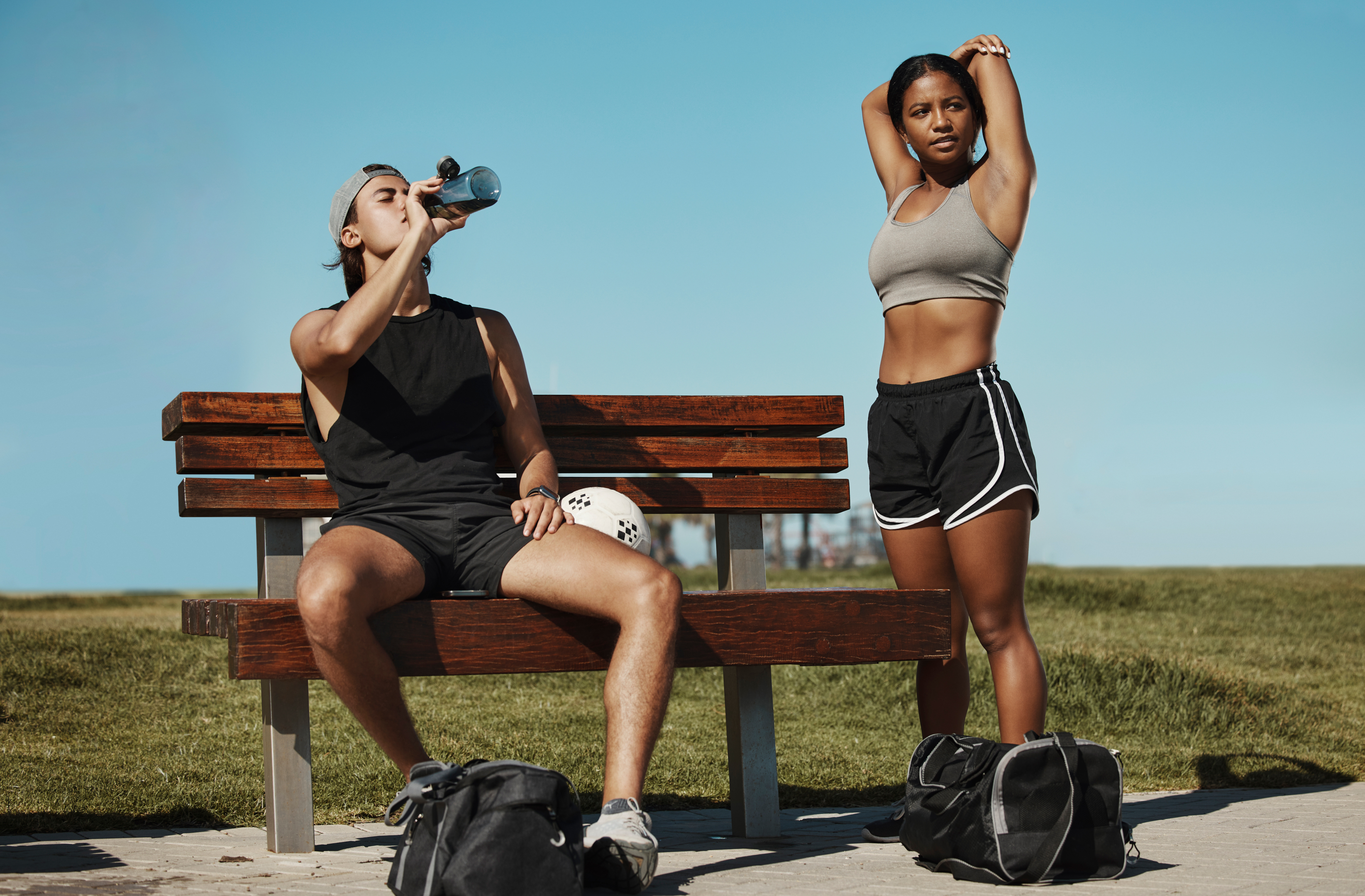
The rapidly evolving world of cannabis presents a plethora of options for those keen on integrating it into their fitness regimes. As more people start recognizing the potential synergies between cannabis and athletic recovery, understanding the vast landscape becomes paramount.
Navigating the cannabis industry can seem overwhelming, but it’s all about finding what aligns with individual fitness goals. For instance, some may seek the acute effects of THC-rich products to potentially improve focus during high-intensity workouts. Others might prefer CBD-infused salves post-exercise to target muscle soreness.
This fusion of cannabis with athletic recovery has been widely accepted in certain circles, as more and more athletes testify to improved sleep quality and reduced post-workout discomfort. Ensuring a restful night’s sleep is pivotal in athletic populations as it’s the prime time for the body to repair and rejuvenate, preparing it for the next round of physical exertion.
Growing Trend
Moreover, as cannabis becomes a more mainstream topic, its impact on human health, especially concerning workout benefits, is getting more spotlight. From elite athletes to occasional joggers, the consensus is growing that, when used responsibly, cannabis might offer a unique set of advantages for enhancing workout routines and speeding up recovery.
Ultimately, the key is to stay informed, understand one’s body, and consult professionals when in doubt. The blend of cannabis and fitness is rich with possibilities, offering a fresh perspective on athletic recovery and overall well-being.
Safety First: Navigating Cannabis in Your Training Regimen
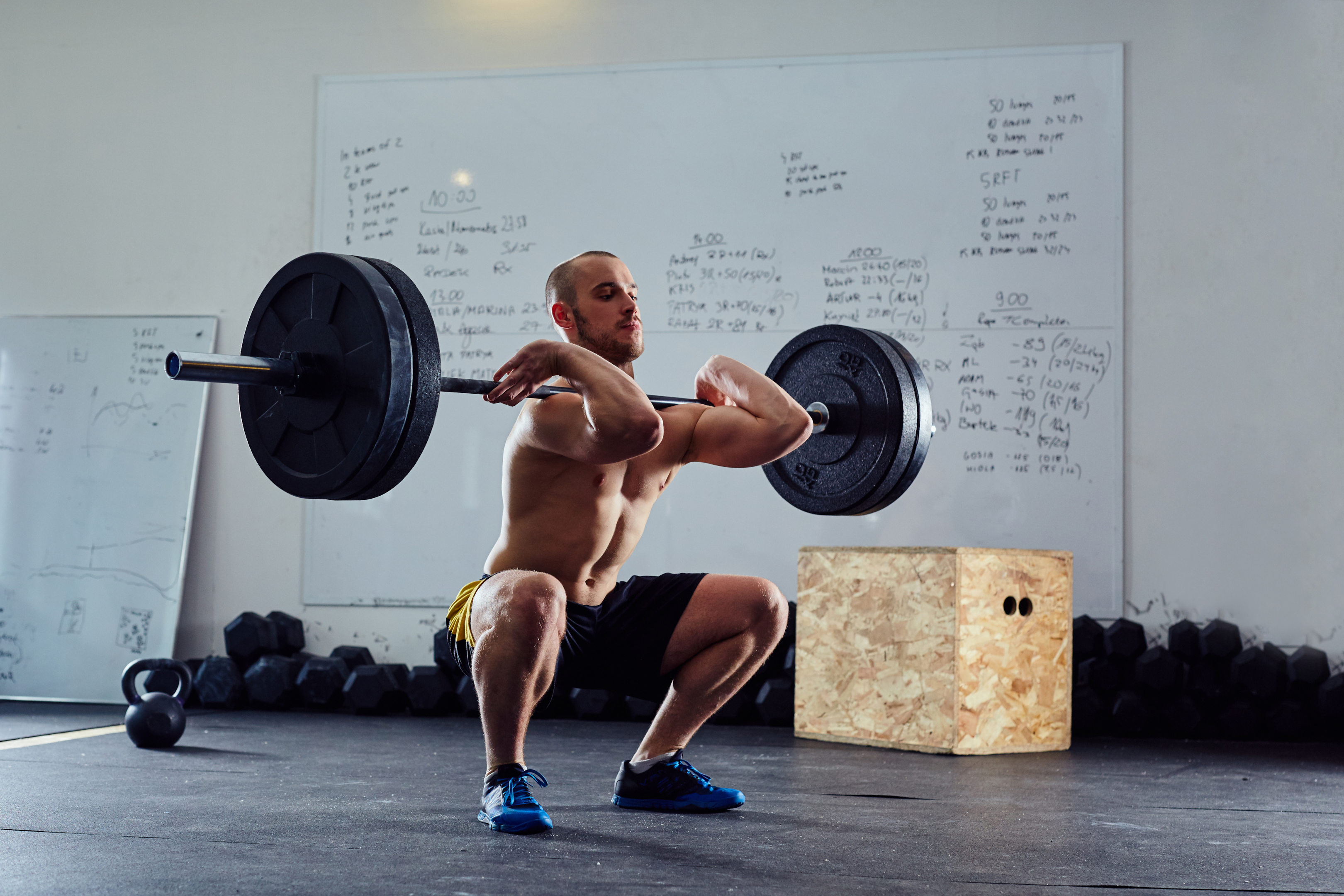
While the potential benefits of cannabis in athletic recovery are captivating, safety remains paramount. Like with any substance introduced into a training routine, understanding the chemical compounds within cannabis is crucial. The last thing any athlete or fitness enthusiast wants is to risk injury due to impaired judgment or physical response.
Caution with THC and Weights
A significant area of caution centers around THC, the primary psychoactive compound in cannabis. Excessive THC consumption can potentially impair cognitive function, which is particularly concerning when undertaking activities like resistance exercise or weightlifting.
The mental clarity required to safely perform a deadlift or bench press, for instance, could be compromised with high levels of THC in the system. It’s not just about lifting the weight; it’s about controlling it, maintaining form, and ensuring safety throughout the movement.
Recent studies have shed light on the importance of moderation. Opting for a low dose or being mindful of one’s tolerance, especially if engaging in chronic cannabis use, can be a wise approach. While some cannabis users swear by the benefits of a little puff before hitting the gym, it’s essential to remember that everyone’s tolerance and reaction to cannabis vary.
Just as you wouldn’t dive into resistance exercise without proper training, you shouldn’t dive into heavy cannabis use without understanding its effects on your body.
Method of Consumption
Another point to consider is the method of consumption. Cannabis smoking can impact lung capacity, which might hinder exercise performance, especially in cardiovascular-intensive workouts.
In the end, if you choose to use cannabis as part of your training regimen, always prioritize safety. Understand your limits, start slow, and consider consulting with a healthcare professional or fitness expert to make well-informed decisions.
The Future of Cannabis Use and Athletic Performance
With the booming cannabis industry, there’s no doubt that more research will emerge about using cannabis for athletic purposes.
As of now, it’s widely accepted that while cannabis may not directly enhance performance, it has potential in pain management and recovery. Keep in mind that every individual is different, so while some may rave about utilizing cannabis for their routines, others might not feel the same.
Parting Thoughts on Cannabis and a Healthy Lifestyle
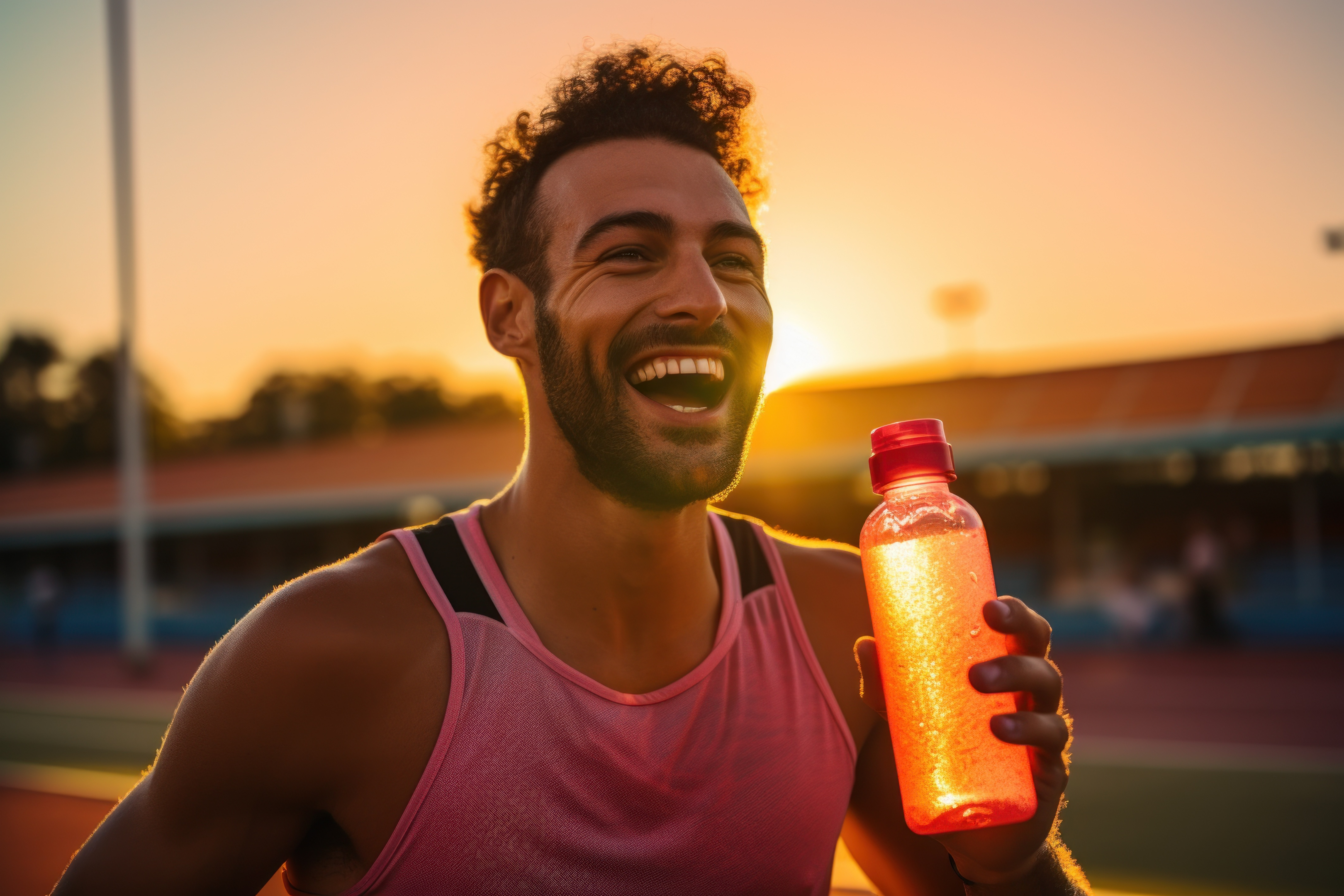
Using cannabis for muscle soreness and exercise recovery can be a game-changer for many. Pair it with regular exercise, a balanced diet, and voila – you’re on your way to a healthy lifestyle.
Although we covered potential negative effects, the potential role cannabis may have on muscle pain and muscle damage, even in a low dose, is worth further investigation.
Even for non-users, a high-quality CBD product might be up your alley. You can still reap the potential muscle recovery benefits without the possible psychoactive effects.
Just remember, if you decide to take a leap into the world of cannabis, always consult with a medical professional and ensure you’re aware of your limits. Here’s to a brighter, greener future!
Stay lit and fit, fam!