Oregon State University Receives $5.5M Federal Hemp Grant for Industrial Hemp Research
Posted on by
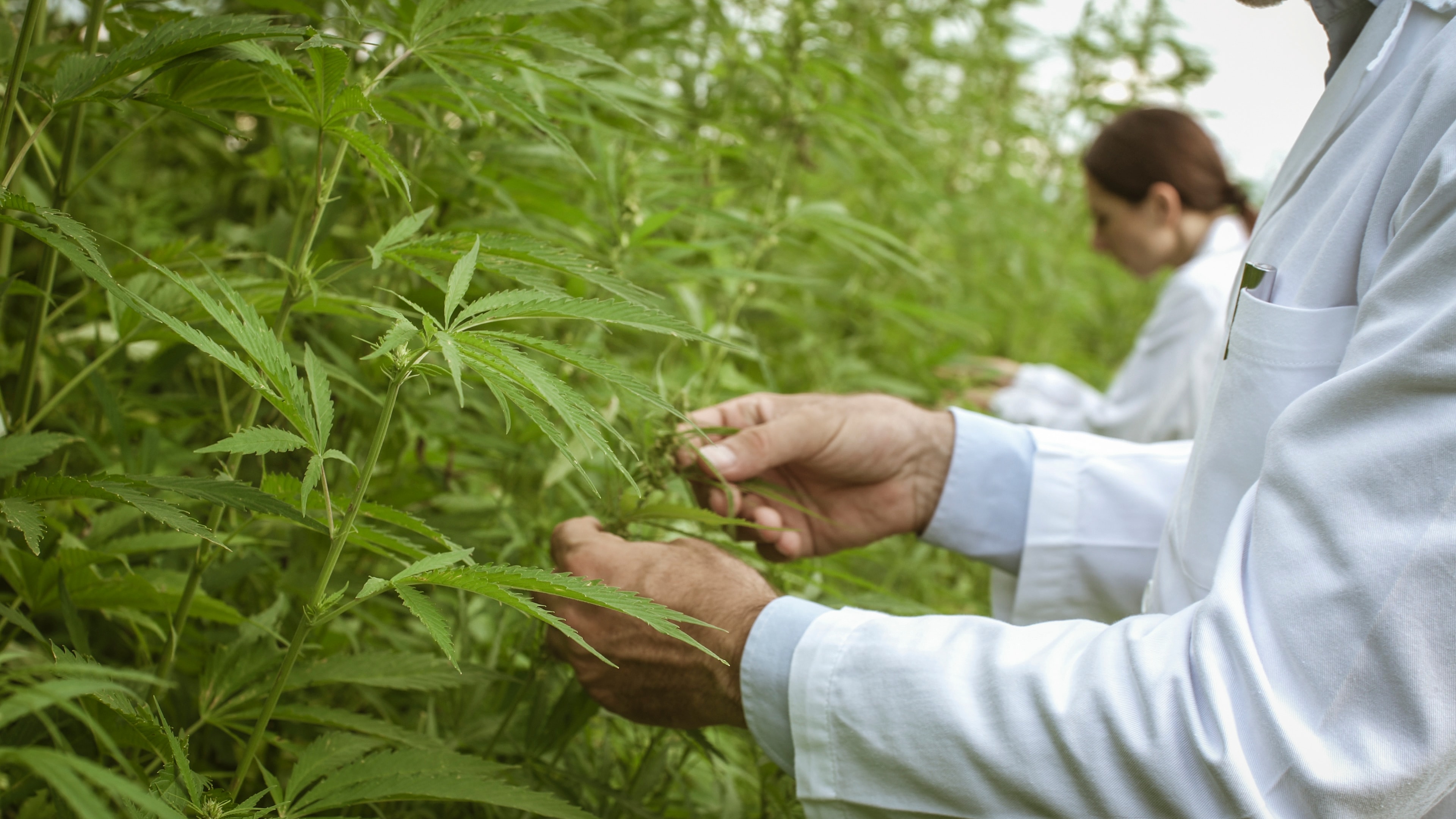
The buzz around hemp just got louder! Oregon State University (OSU) recently snagged a whopping $5.5 million federal hemp grant from the USDA’s Agriculture Research Service.
The hemp industry continues to expand its horizons, and this grant is set to explore how industrial hemp can be used in innovative ways, from food and beverages to new industrial applications.
What does this mean for hemp farmers, researchers, and even cannabis consumers?
A whole lot.
Today, we’re getting into why this federal funding is such a game changer and how it impacts the future of hemp production.
Let’s get into it.
Industrial Hemp: A Rising Star in Agriculture
If you’ve been following the cannabis scene, you already know that industrial hemp is far more than a close cousin to marijuana. Unlike its psychoactive sibling, hemp is a versatile crop with countless potential uses. Think of hemp as the overachiever of the plant world, with applications ranging from textiles and paper to biofuels and even construction materials.
OSU’s Industrial Hemp Grant will zero in on industrial hemp research related to food, beverages, and other practical uses. Given the plant’s diverse utility, the possibilities are massive. For one, the university aims to explore the nutritional potential of hemp hearts—a trendy food ingredient that packs a protein punch. But the research won’t stop at your breakfast bowl. The scope extends to developing new, sustainable hemp products for industries far beyond the kitchen.
This is where the USDA’s support shines. By funding this kind of hemp research, the USDA is positioning industrial hemp as a key player in reshaping various sectors, from agriculture to food production.
What This Means for Farmers and the Hemp Industry as a Whole
For hemp farmers, this federal hemp grant could be a big deal. Growing industrial hemp is becoming an increasingly viable option, particularly for farmers looking to diversify their crops. But it’s not just about growing it—it’s about finding new ways to make hemp more profitable and sustainable. That’s where OSU’s research comes into play.
In collaboration with the USDA and various farm programs—like the Conservation Stewardship Program and the Environmental Quality Incentives Program—farmers could receive additional support in transitioning to or expanding hemp cultivation. The research funded by this grant might uncover new, more efficient methods of hemp production that benefit both large-scale producers and the smaller, beginning farmer just getting started with hemp.
The Broader Impact of Hemp Research and Development
The 2018 Farm Bill opened the door for research, production, and sale of hemp projects, allowing companies to grow hemp operations and product lines.
One of the most exciting parts of this industrial hemp research is the potential to elevate hemp in ways we haven’t even considered yet.
Think about it: what if hemp could replace certain plastics or create eco-friendly building materials?
With the current focus on sustainability, OSU’s hemp research could pave the way for hemp products that not only boost the economy but also have a positive environmental impact.
Beyond the environmental angle, there’s also the potential for hemp to shake up the consumer market. Imagine hemp-based drinks and snacks becoming as common in health food stores as cannabis pre-rolls in dispensaries. With hemp being non-intoxicating, it offers a more accessible entry point for those who might be curious about the benefits of cannabis but aren’t looking for a high.
Even traditional cannabis enthusiasts could find a lot to love in hemp-based products. While it doesn’t have the same psychoactive effects as THC-heavy strains, hemp offers the opportunity to explore cannabinoids like CBD, CBG, and even CBC, which may help with relaxation, focus, or recovery—depending on what users are looking for. Consumers have reported a range of effects, which means there’s plenty of room for exploration and innovation.
Navigating Federal Regulations and Hemp Markets
Of course, none of this happens in a vacuum. The hemp industry operates within a complicated web of federal regulations and policies shaped by the 2018 Farm Bill. It’s crucial that hemp producers stay on top of these ever-changing rules to ensure that they are compliant and eligible for any available federal funding.
The 2018 Farm Bill says that hemp products are legal, so long as they do not contain more than 0.3% of Delta 9 THC (the main psychoactive compound found in traditional marijuana products). OSU’s research project will likely touch on these issues, examining how existing regulations impact hemp production and suggesting ways to navigate or improve them.
Additionally, the hemp markets are ripe for further development. Thanks to the USDA and its various programs like the Farm Service Agency and the Natural Resources Conservation Service, there are resources available to help hemp farmers thrive. The Risk Management Agency and Regional Conservation Partnership Program also play pivotal roles in ensuring that the industry continues to grow.
With Oregon being an approved state for hemp production, and programs like the Conservation Stewardship Program backing these initiatives, the time is ripe for other states to follow suit. The USDA’s decision to invest in OSU shows that the hemp industry is getting the serious attention it deserves, from both an agricultural and an industrial standpoint.
What’s Next for the Hemp Industry?
This project is a massive win for the industry, showing the faith the USDA has in this type of agriculture. As more grants open up, producers can explore new ways this plant can make lasting impacts.
So, where do we go from here?
With $5.5 million in federal funding behind them, OSU researchers are about to embark on a journey that could change the way we think about industrial hemp. From new food products to sustainable materials, this grant opens up a world of possibilities for the plant that’s already been around for thousands of years.
For hemp farmers, growers, and industry insiders, the future looks promising. Whether you’re invested in hemp research, exploring the benefits of novel cannabinoids, or just curious about where this all leads, one thing is clear: industrial hemp is on the rise, and we’re just getting started.

 Low Dose Delta 8 Gummies Sampler
1 × $5.99
Low Dose Delta 8 Gummies Sampler
1 × $5.99 Delta 8 Brownies
1 × $7.99
Delta 8 Brownies
1 × $7.99 Delta 8 THC Vape Cartridge
 Delta 8 Gummies
$29.99
Delta 8 Gummies
$29.99