
THCA
THCA Flower: The History of Durban Poison

Did you know Durban Poison, one of the world’s most popular cannabis strains, is a pure sativa landrace that hasn’t changed genetically in centuries? When it comes to cannabis strains, few have a history as cool as Durban Poison.
But what makes Durban Poison so special and why is it a favorite for THCA flower? Let’s get into the history, characteristics, and unique qualities of this legendary strain and why 3CHI is proud to offer it as part of our premium THCA flower collection.
What Is THCA Flower?
Before we get into why Durban Poison is a great THCA flower, let’s first understand what THCA flower actually is and how it’s different from traditional cannabis flower. By definition, THCA flower is raw cannabis buds that contain high levels of tetrahydrocannabinolic acid. THCA in its raw state does not produce the “high” associated with THC. Instead:
- Non-Psychoactive in Raw Form: If you eat, juice, or consume raw cannabis high in THCA, you won’t feel the strong psychoactive effects of THC.
- Decarboxylation Changes the Game: Once heat is introduced—through smoking, vaporizing or cooking—THCA converts to THC, unlocking the well-known psychoactive effects of traditional cannabis flower.
At 3CHI, we specialize in providing top-notch THCA flower that undergoes strict lab testing to ensure purity, potency, and compliance with federal regulations. For anyone wanting to try raw cannabis consumption, THCA flower is a new frontier—one that keeps the plant in its natural state and gives you the option to activate the psychoactive properties if you choose to heat it.
Durban Poison: A Landrace With a Famous History
Durban Poison isn’t just another strain on a dispensary shelf; it’s a pure sativa landrace strain, which means its genetic lineage has not been altered by other strains or crossbreeding. This heritage goes back centuries to the coastal region of Durban, South Africa.
Here’s the story of how it became famous:
Origin in South Africa
- For generations, indigenous tribes grew and consumed this robust sativa in the hot, sunny climates of Durban.
- They valued the plant for its euphoric effects and hardiness — it could grow in intense sunlight and warm temperatures.
Ed Rosenthal’s Discovery
- In the 70s, American activist and breeder Ed Rosenthal found Durban Poison at a coffee shop called Transvaal run by white South Africans importing cannabis from their home region.
- Seeing the unique characteristics, Rosenthal brought Durban Poison seeds back to the US to share with cannabis enthusiasts.
Introduction to the Market
- Durban Poison quickly became a breeder’s favorite especially in the Netherlands in the 80s. Dutch growers recognized the strain’s potential for new hybrids but also appreciated the purity of its landrace genetics.
- The sativa effects made Durban Poison a hot commodity worldwide and it became a cornerstone of cannabis breeding programs.
Today
- Durban Poison has retained its cultural significance and is still loved by cannabis enthusiasts who respect its pure genetics and history.
- It’s known for a clear, energetic high with minimal sedative effects—perfect for daytime or social use.
Today Durban Poison is a symbol of heritage and adaptability. Its landrace status highlights the rich cannabis culture of the world and the importance of preserving original strains that have thrived for centuries in their natural environment.

Cultural Background: Durban and Its Cannabis History
To fully appreciate Durban Poison you need to have an understanding of Durban’s cultural landscape. Durban, a coastal city in KwaZulu-Natal, South Africa has been a melting pot of cultures from Zulu and Indian communities to European settlers. This cultural backdrop was the stage for a vibrant cannabis culture where local tribes and communities:
- Used cannabis for rituals, social events, and medicinal purposes.
- Benefited from the crop’s economic value, especially for local trade and bartering.
- Developed farming practices suited to Durban’s tropical climate to produce high yields and hardy strains.
- Over time Durban Poison became more than a local crop; it became a South African cannabis symbol. The name “Durban Poison” might sound ominous but it was a nod to the strain’s pungency and energetic effects—often described by early users as “poisonously strong”.
For travelers a trip to Durban is more than about beautiful beaches and cultural sites—it’s an opportunity to explore the roots of a globally famous strain and understand how local traditions shaped its growth and status.
Durban Poison Characteristics: A Pure Sativa
Durban Poison’s fame isn’t just about its history; it’s also about the unique profile it brings to the table.
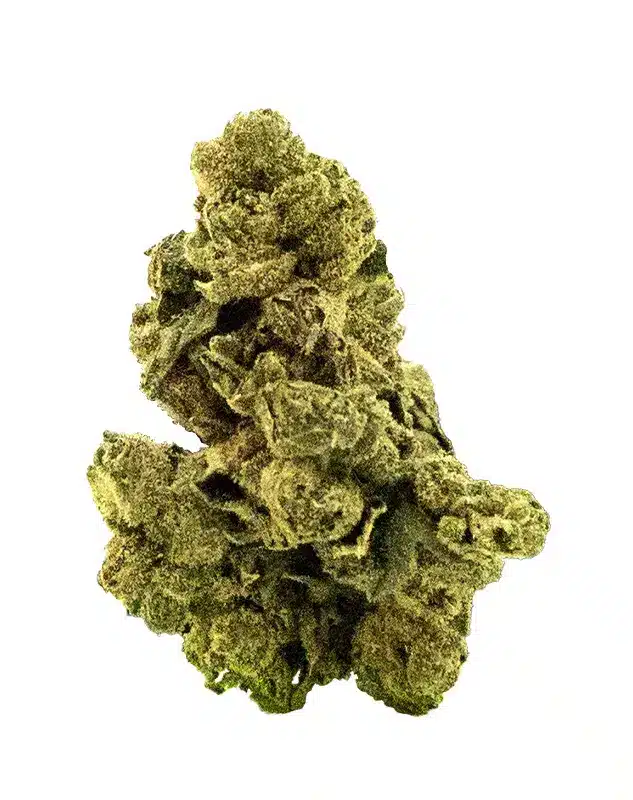
Aroma and Flavor
- Sweet Earthy: Expect notes of anise, citrus, and even a subtle spiciness on the nose.
- Invigorating Finish: The flavor is smooth and refreshing making it a great choice for those who like bright and crisp cannabis profiles.
Effects
- Pure Sativa Uplift: Durban Poison is typically a daytime strain due to its energetic and euphoric effects. Also, the terpene profile of Durban Poison has been shown to provide pain relief making it good for those seeking therapeutic effects.
- Creative Boost: Users often report focus, creativity, and overall positive mood with minimal couch lock or sedation.
THCA Content
- High THCA: Durban Poison has high THCA levels—perfect for those who want the raw benefits of THCA or plan to activate it into THC.
- Non-Intoxicating in Raw Form: Consuming it raw won’t get you high.
Growing Durban Poison
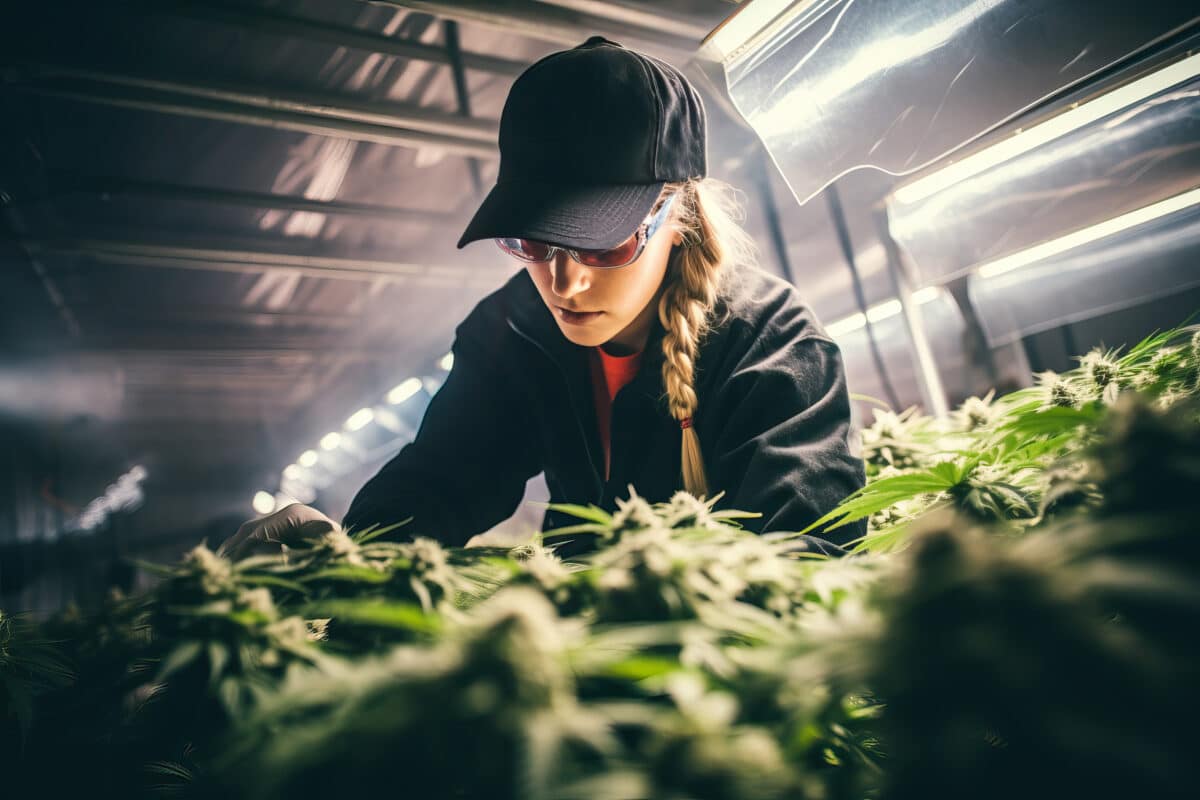
The aforementioned breeder, Ed Rosenthal, noted upon his first acquisition of seeds that it took a lot of work to get this strain to reach the quality found today at 3CHI. From a growing perspective, Durban Poison is as tough as it is rewarding:
- Indoor vs. Outdoor
- Indoor: Tall sativa-like plants that may require more vertical space and patience as Durban Poison has a longer flowering time.
- Outdoor: Thrives in warm sunny climates just like its South African home. Known for handling high temperatures and full sun.
- Less prone to certain molds and mildews compared to strains from cooler climates.
- Harvest and Yield
- Although it takes time to reach full maturity, the final yield of Durban Poison often produces dense, sticky buds with high THCA content.
- For growers looking for pure sativa genetics Durban Poison is a must-try—the payoff is worth the extra flowering time.
3CHI’s Durban Poison THCA Flower
At 3CHI we’re about quality, authenticity, and consumer safety and offer the highest quality THCA flower. Our Durban Poison THCA flower is the embodiment of this.
Lab Tested
- We test completely for purity and potency.
- Ensures consistent cannabinoid levels so you get a reliable experience every time.
Premium Grow
- Partner with sustainable, ethical growers and source only top-shelf cannabis buds that meet our strict growing standards.
- Durban Poison grown in optimal conditions produces an aroma and flavor like no other.
Legal
Federally Legal THCA: As long as the product is below 0.3% THC (by dry weight) it is considered THCA flower legal under the 2018 Farm Bill.
However, local laws can vary. Always check your state or region’s laws before purchasing or consuming THCA products.
How to Consume THCA Flower
One of the best things about raw THCA flower is its versatility. Whether you’re looking for a non-intoxicating, health-focused approach or want to convert THCA to THC for a psychoactive experience you have options.
Raw Consumption
- Salads and Smoothies: Simply chop or grind raw buds and throw them in your meal or blend them into a drink.
- Nutritional Value: In its raw form cannabis retains many of its phytochemicals and terpenes and may deliver benefits without the high.
- Low-Temperature Heating: A vaporizer designed for raw flower heats the plant material enough to activate the cannabinoids but not enough for combustion.
- Flavor and Smoothness: Many enjoy vaporizing Durban Poison because it preserves the terpene profile—leading to an aromatic and flavorful experience.
Edibles
- Infusion with Oils or Butter: Once heated (e.g. during cooking or baking) THCA turns into THC and adds psychoactive effects to brownies, cookies, or other homemade treats.
- Dosage Control: Start with small amounts especially if you’re new to THCA or THC. Edible effects can be stronger and longer lasting.
The Future of THCA Flower and Durban Poison
As cannabis becomes legal, THCA flower is gaining popularity for its unique attributes from the plant:
- Wellness-Oriented Consumption: Many people like that raw THCA offers health benefits without a psychoactive “hit”.
- Medicinal Research: Scientists are studying how different cannabinoids including THCA interact with the human endocannabinoid system.
- Diverse Consumer Market: Young and old are interested in healthier consumption methods like vaporizing or raw ingestion making THCA flower a hot product.
Meanwhile, Durban Poison remains one of the most famous landrace strains. From the sun-drenched fields of South Africa to contemporary grow rooms in the US and Europe it’s a testament to the rich diversity within the cannabis gene pool. The strain’s energetic and uplifting nature makes it relevant, especially for those looking for a daytime motivator.
Landraces
With the trend of hybridization, some people worry about losing classic landrace genetics. Durban Poison’s story highlights the importance of:
- Preserving Traditional Strains: Keeping the genetic “blueprints” of original cannabis lines.
- Cultural Respect: Recognizing the plant’s indigenous roots and the local communities that grew it for generations.
FAQs
1. Will Durban Poison in its THCA form get me high if I eat it raw?
No. Eating raw THCA (unheated) won’t get you high. You’d need to heat the flower—smoke, vaporize, or cook—to convert THCA to THC.
2. How long does Durban Poison flower when grown indoors?
- Durban Poison has a longer flowering period (on average 9-10 weeks) than indica strains. Outdoor growth will finish in late fall in a temperate climate.
3. Is Durban Poison for beginners?
- As a 100% sativa, Durban Poison can be very potent once THCA converts to THC. Beginners should start with a low dose and see how they feel.
4. What flavors can I expect from Durban Poison THCA flower?
- Most describe the aroma and flavor as sweet, earthy, with hints of anise and citrus. Many find it refreshing and uplifting when vaporized.
5. Are all Durban Poison strains 100% sativa?
- True landrace Durban Poison is 100% sativa. Some breeders may have made minor changes so phenotypes may vary. Always check for reputable sources to get as close to the landrace genetics as possible.
6. If Durban Poison is grown outside of South Africa is it still a ‘landrace’?
- The original genetics are from Durban, South Africa. When grown elsewhere it’s still genetically linked to the landrace. Environmental factors can change terpene and cannabinoid profiles.
7. What’s the difference between THCA flower and hemp flower?
- THCA flower has high THCA, hemp flower has high CBD and low THC making it non-psychoactive. Understanding the benefits and uses of THCA hemp flower is important and sourcing high-quality strains is key to consumer safety and proper product handling.
Tradition Meets Innovation at 3CHI
Durban Poison’s journey from the beaches of South Africa to dispensaries and specialty shops worldwide is a story of heritage, resilience, and global demand. One of the few 100% sativa strains available, it’s become legendary among cannabis enthusiasts and growers. With the growing popularity of THCA flower, Durban Poison offers a bridge between traditional genetics and modern wellness consumption.
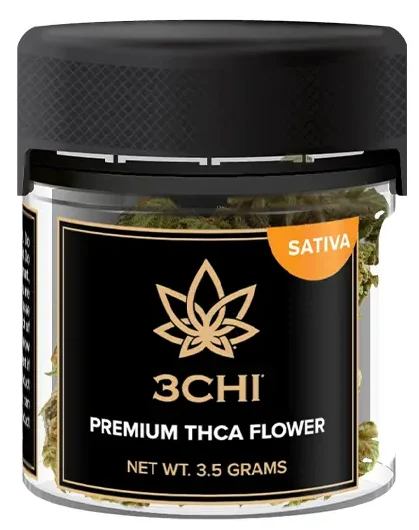
At 3CHI, we’re honored to carry on the tradition of Durban Poison by offering high-quality THCA flower, always lab-tested for purity and potency, so purchasing THCA flower is safe and easy. Whether you’re a long-time sativa lover or a new explorer looking for raw, non-psychoactive ways to consume, Durban Poison THCA flower is a versatile, historical experience. You can taste a piece of global cannabis history while exploring modern methods like raw consumption, vaporization, or edibles.
Want more?
- Subscribe to 3CHI’s Newsletter: Get updates on new products, exclusive sales, and the latest cannabis research. Get 20% off your first order and a free pack of gummies!
- Shop Deals Online: Check out other high-quality THCA flower strains for your next adventure.