-
×
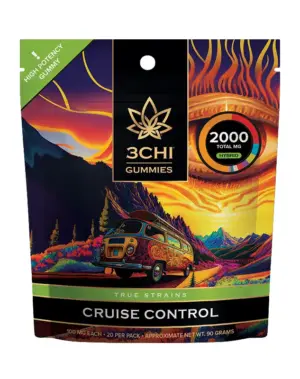 True Strains Gummies - Cruise Control
1 × $39.99
True Strains Gummies - Cruise Control
1 × $39.99 -
 Delta 8 THC Vape Cartridge
$29.99$19.99 -
 Delta 8 Gummies
$29.99
Delta 8 Gummies
$29.99
You're $59.01 away from FREE SHIPPING! Try these best sellers:
 True Strains Gummies - Cruise Control
You're $59.01 away from FREE SHIPPING! Try these best sellers:
Delta 8 THC Vape Cartridge
Delta 8 Gummies
$29.99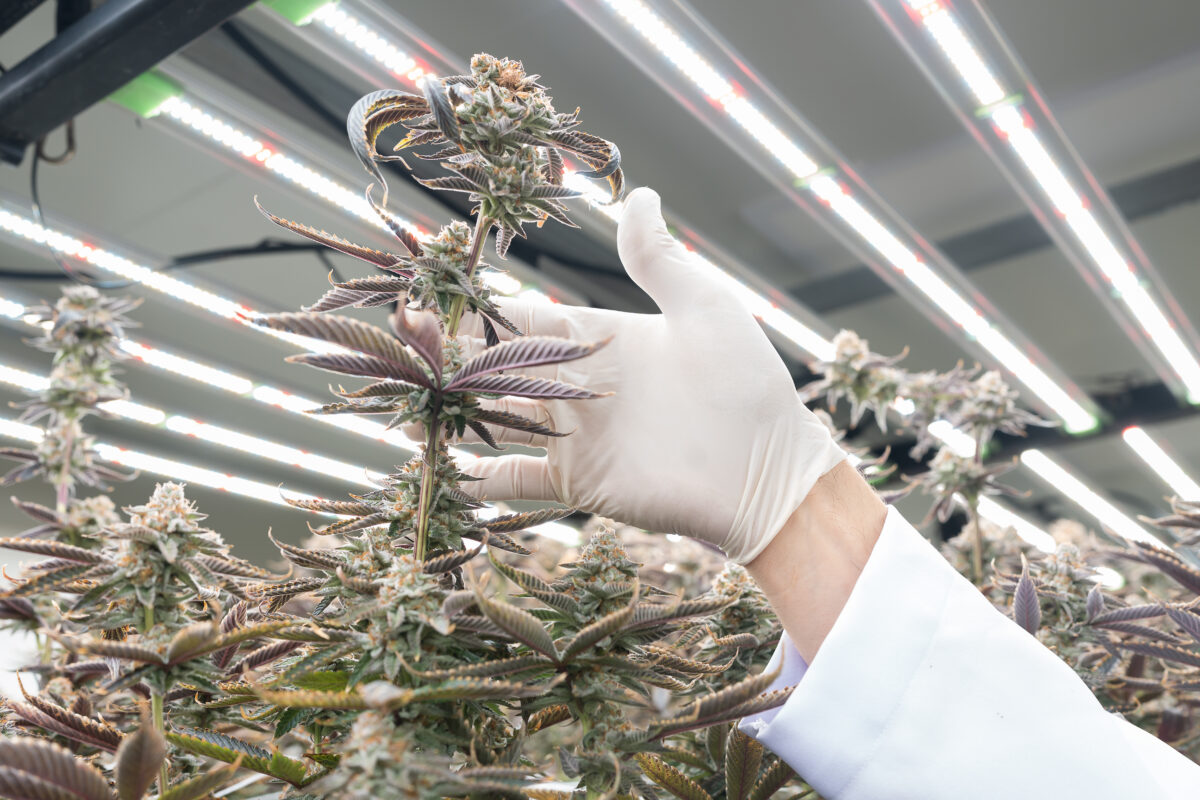
Cannabis has sprinted from clandestine corners to bright, well‑lit shelves across the United States, and cannabis strains now headline conversations the way craft coffee once did. Whether you’re looking for an energizing high, a balance between creativity and relaxation, or relief from symptoms like discomfort and stress, each of those cannabis strains.
But here’s the mind‑bender: can someone own a plant? More specifically, can someone patent one of the cannabis strains you love? Stick around—we at 3CHI will walk you through the what, why, and how.
Think of a patent like a backstage pass for inventions. When the government issues one, the inventor gets exclusive rights for a set time—kind of like being the only person allowed to stream a chart‑topping song in public. There are three main flavors:
| Patent Type | What It Covers | Typical Term |
|---|---|---|
| Utility | New machines, processes, or compositions | 20 years |
| Design | How something looks | 15 years |
| Plant | New, asexually reproduced plants | 20 years |
For most cannabis strains, plant patents are the MVP. They let breeders stop others from cloning or selling an identical genetic copy for two decades.
Developing standout cannabis strains isn’t cheap—think years of selective breeding, lab testing, and phenotype hunts. A patent helps breeders:

Plant patents cover new and distinct plants reproduced asexually—clones, cuttings, tissue culture. They shield the cannabis strains themselves but not seeds those plants might later produce.
Utility patents go broader. Imagine patenting the exact terpene recipe that makes certain cannabis strains smell like sweet diesel or the extraction process that locks in minor cannabinoids. These patents can also cover the unique properties of cannabis strains, such as their medicinal properties or specific characteristics that impact the user’s experience. One headline‑grabbing example (U.S. 9,095,554) covers hybrid cannabis plants rich in CBD and the methods to make them.
Less flashy but still powerful, PVP certificates apply to sexually reproduced plants—i.e., seeds. While not technically patents, they grant exclusive seed‑selling rights for up to 25 years.
Patenting cannabis strains triggers spirited debate:
A popular Reddit post summed it up: “If Lemon Haze ends up locked behind corporate patents, do we all switch to home‑grown hazes instead?”
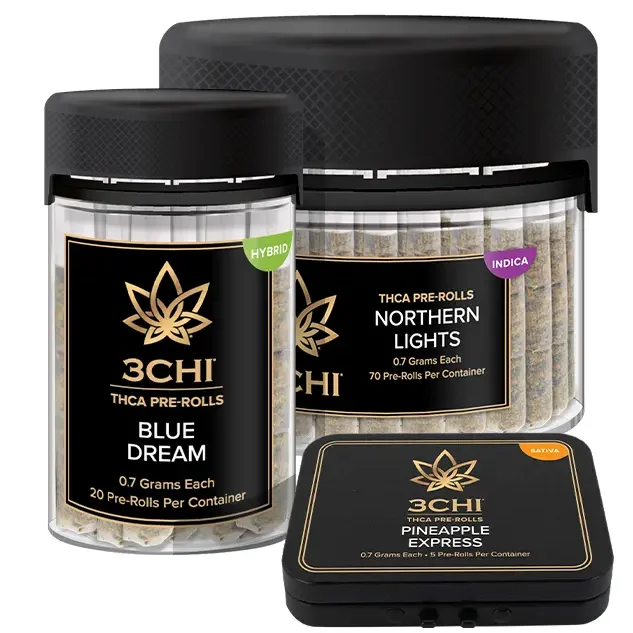
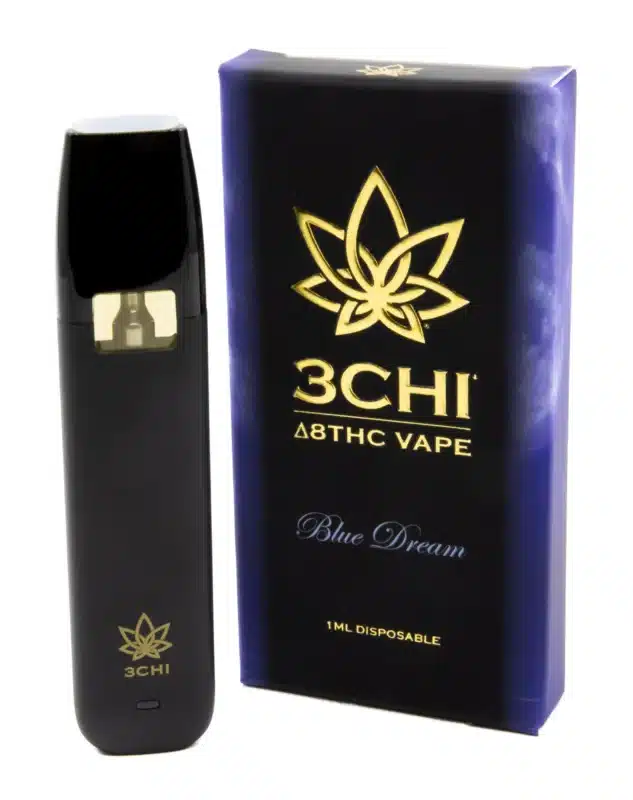
Blue Dream Delta‑8 Vape Cartridge – lab‑tested consistency, zero legal grey area.
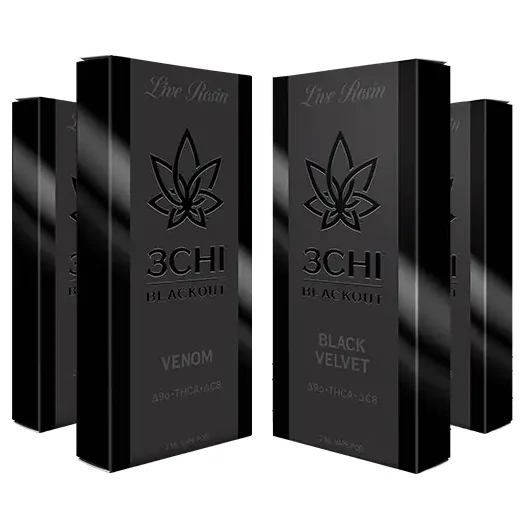
Blackout Series Live Resin Vapes – fuel‑forward flavor, no cloning required. Sour diesel is a popular Sativa strain known for its quick and energizing high, pungent aroma, and fast-acting effects, making it suitable for daytime use.
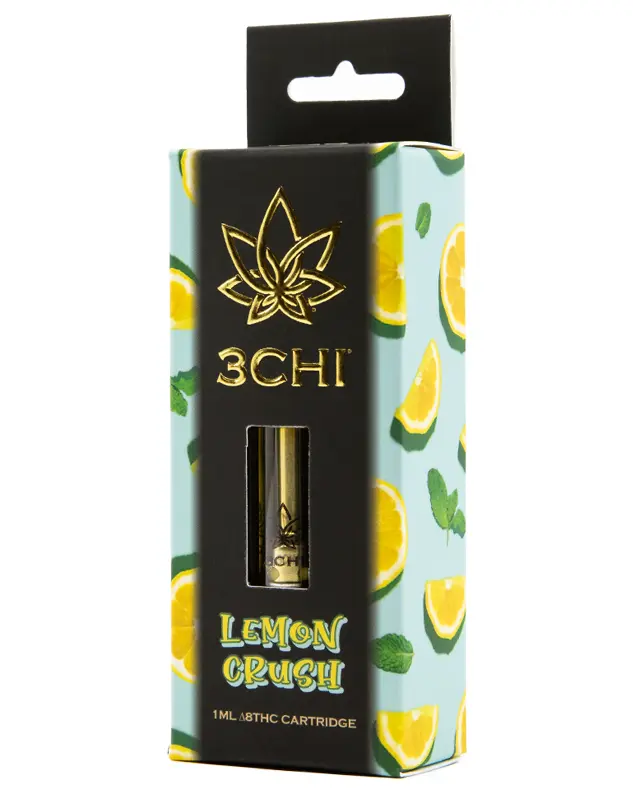
Lemon Crust Delta 8 Vape Cartridge – This haze strain is known for its uplifting effects and strong lemon aroma. Super Lemon Haze is a popular Sativa strain recommended for daytime use, providing a mood boost and creative inspiration.
All products ship from 3CHI’s GMP‑certified facility and arrive with full COAs so you know exactly what you’re enjoying.
Twitter @budbrain: “Do patented cannabis strains taste different?”
A: A patent doesn’t alter flavor; it only protects genetics. Terpene profiles remain as delicious (or pungent) as ever.
Reddit u/seed‑slinger: “Can I cross two patented strains in my basement?”
A: Crossing patented genetics for personal curiosity is still creating derivative work; legally, you’d need permission.
Quora user: “Are there international patents on cannabis strains?”
A: Other countries recognize plant variety rights, but enforcement varies. Most patented cannabis strains currently originate in the United States.
Join the 3CHI newsletter today for 20 % off your first order plus a free pack of gummies. Get fresh posts, product drops, and exclusive discounts delivered straight to your inbox—because having the right information (and the right cannabis strains) should never be out of reach.