
News
Understanding the FDA’s New Stance on Amanita Muscaria: What It Means for the Industry and How to Respond
Legal Disclaimer
The following article is for informational purposes only and does not constitute business or legal advice. 3CHI does not sell or distribute any products containing Amanita Muscaria or its constituents, including muscimol, ibotenic acid, or muscarine. Companies involved in the production, sale, or distribution of Amanita Muscaria-based products should consult with qualified legal counsel to ensure compliance with all applicable laws and regulations. 3CHI is not liable for any actions taken based on the information provided herein.
In recent regulatory developments, the U.S. Food and Drug Administration (FDA) has made its position on Amanita Muscaria mushrooms and their constituents crystal clear. On December 18, 2024, the FDA issued two new documents (1 & 2) underscoring that Amanita Muscaria, its extracts, and related compounds—such as muscimol, ibotenic acid, and muscarine—are not permitted as ingredients in conventional foods. These new releases represent a critical shift for retailers, manufacturers, and others in the supply chain, prompting immediate action and strategic rethinking. Below, we’ll break down what the FDA’s announcements mean, how retailers should react, and how manufacturers can adapt their business practices in the wake of these updates.
What Is Amanita Muscaria?
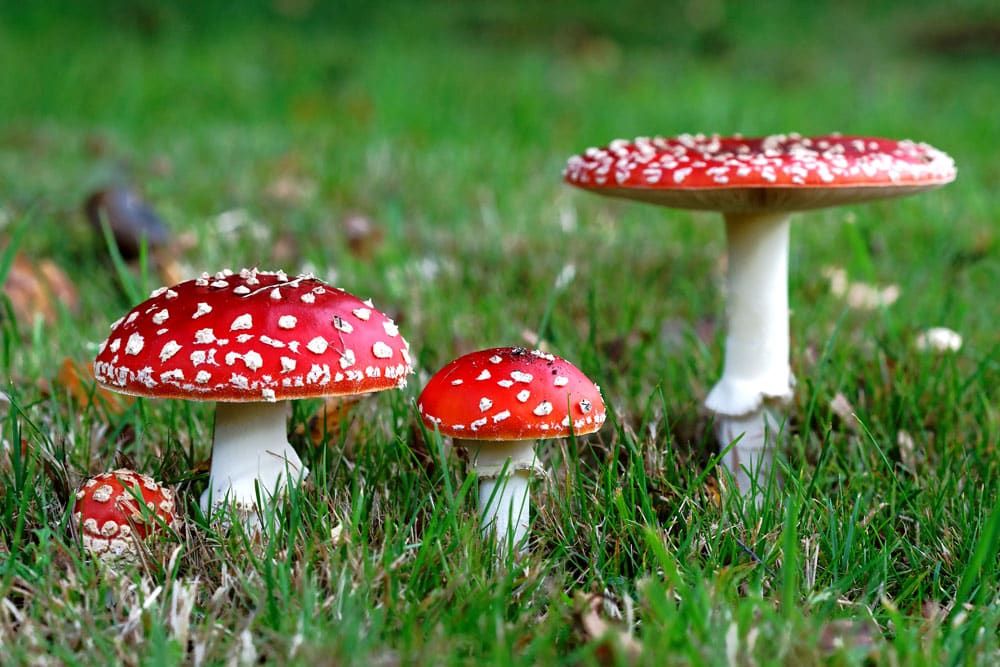
Amanita Muscaria is a mushroom known for its distinctive red cap with white spots and its long history of cultural and ethnobotanical significance. While visually iconic, this mushroom is also known for its psychoactive properties, primarily due to compounds like muscimol and ibotenic acid. These compounds can produce hallucinogenic and, in some cases, harmful physiological effects. In recent years, some brands have begun marketing Amanita Muscaria-infused products as “legal psychedelics” or “psychedelic edibles.” This trend has sparked increased regulatory scrutiny, culminating in the FDA’s new stance.
The FDA’s Position on Amanita Muscaria
According to the FDA’s December 18 releases, Amanita Muscaria and its psychoactive constituents are now considered unapproved food additives. Furthermore, these substances do not meet the Generally Recognized As Safe (GRAS) standard. From the FDA’s perspective:
- Not GRAS-Approved: The FDA’s review of over 600 scientific publications did not yield sufficient evidence to deem Amanita Muscaria or its constituents safe for use in food products.
- Potential Harm to Consumers: Reports of adverse events—including gastrointestinal distress, neurological symptoms, respiratory depression, seizures, hospitalization, and even death—have led the FDA to conclude that these substances may be harmful when used as food ingredients.
- Adulteration of Food Products: Any conventional food containing Amanita Muscaria or its related compounds is considered adulterated under the Federal Food, Drug, and Cosmetic Act and may be subject to enforcement actions.
How Retailers Should React
If you’re a retailer offering products containing Amanita Muscaria or any of its psychoactive components, these new guidelines require immediate attention:
- Inventory Audit: Begin by reviewing your current inventory. Any food products that list Amanita Muscaria, muscimol, ibotenic acid, or muscarine as ingredients are now considered non-compliant.
- Remove Non-Compliant Products: To mitigate legal risks and protect consumer safety, remove these products from your shelves and online listings promptly.
- Transparent Communication: Inform your customers about the reasons for product removals. Transparency builds trust and shows that you prioritize customer well-being.
- Future Sourcing: Exercise caution when sourcing new products. Ensure that suppliers provide documentation verifying the regulatory status and safety of their ingredients.
How Manufacturers Should Respond
Manufacturers currently using Amanita Muscaria in their products or considering doing so need to take decisive action:
- Engage with the FDA: The FDA encourages manufacturers to use the GRAS Notification Program for any new ingredients. Before formulating products with novel substances, consult the FDA’s guidance to ensure you meet safety standards.
- Reformulation Strategies: If you’ve been adding Amanita Muscaria, explore alternative ingredients that are GRAS-approved. Consider functional mushrooms with well-documented safety profiles—such as reishi, lion’s mane, or chaga—to maintain an innovative product line without legal risks.
- Quality Assurance & Testing: If you plan to pivot to dietary supplements, remember that these, too, are under scrutiny. Seek laboratory analyses, maintain rigorous quality control protocols, and document all safety and efficacy data.
- Legal & Regulatory Consultation: Partner with regulatory experts or legal counsel to ensure your operations and product formulations comply fully with FDA guidelines. Staying proactive can prevent costly recalls, fines, and reputational damage down the line.
The Path Forward for the Amanita Muscaria Market
The FDA’s announcements represent a turning point. The once-loosely regulated market for Amanita Muscaria-infused “psychedelic edibles” will likely undergo significant contraction, if not an outright halt, in the near term. As consumers become more aware of these safety concerns, brands that adapt swiftly to this new environment will have the best chance of maintaining consumer trust.
For those committed to research and innovation, there may still be avenues to explore in the dietary supplement market—provided that stringent safety evaluations and FDA consultations are a priority. Ultimately, the burden rests on manufacturers to prove that their products are safe and meet all regulatory standards.
Conclusion
The FDA’s recent releases on Amanita Muscaria represent a decisive regulatory stance aimed at protecting public health. Retailers and manufacturers dealing with these mushrooms and their constituents in food must take immediate steps to comply, from pulling non-compliant inventory to reformulating products and consulting regulatory experts. Staying informed, transparent, and compliant is the best strategy for anyone operating in this evolving segment of the mushroom industry. By doing so, companies can help foster a safer market and maintain consumer trust in the post-FDA-update landscape of Amanita Muscaria.