-
×
 CBT Isolate
1 × $29.99
CBT Isolate
1 × $29.99 -
 Delta 8 THC Vape Cartridge
$29.99$19.99 -
 Delta 8 Gummies
$29.99
Delta 8 Gummies
$29.99
You're $69.01 away from FREE SHIPPING! Try these best sellers:
 CBT Isolate
You're $69.01 away from FREE SHIPPING! Try these best sellers:
Delta 8 THC Vape Cartridge
Delta 8 Gummies
$29.99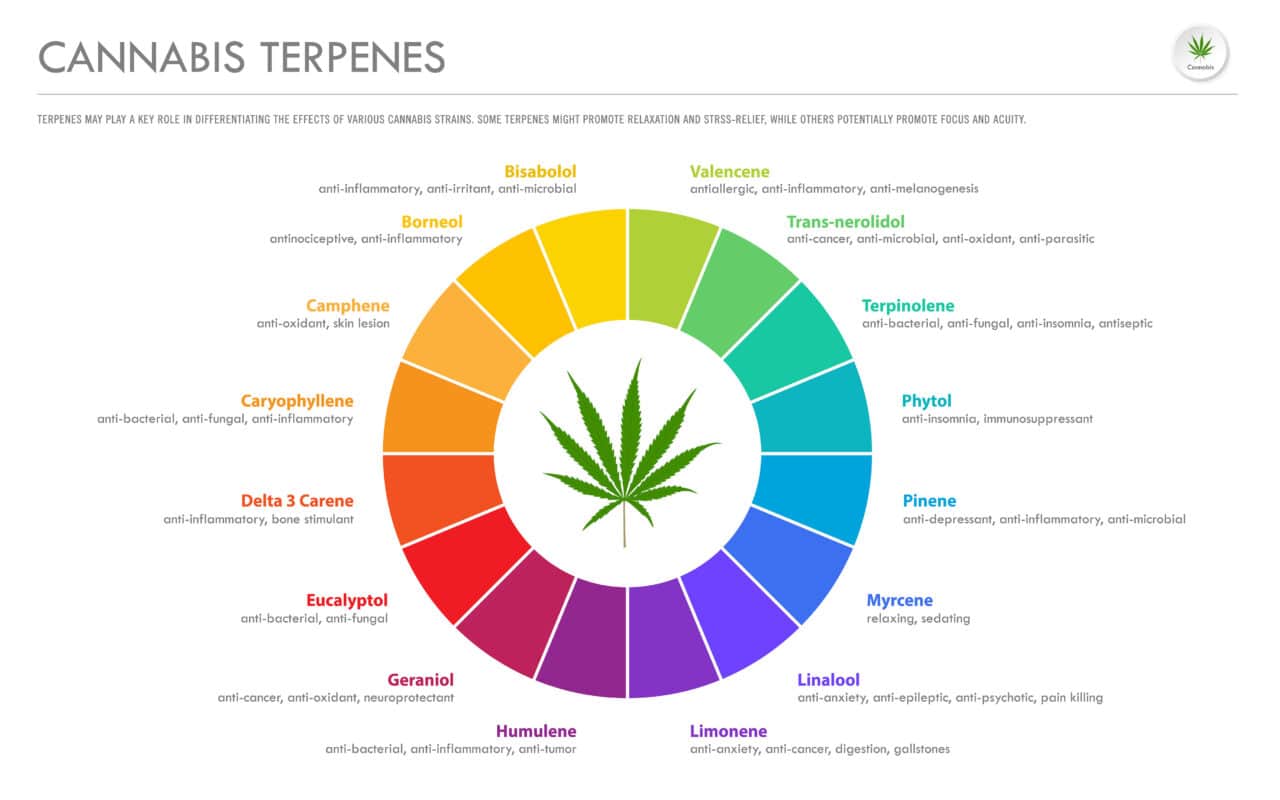
When we talk about the cannabis experience, there’s more to it than just THC levels or the balance of cannabinoids. What really sets different cannabis strains apart in terms of flavor, aroma, and potentially even effects, are the cannabis terpenes found in the cannabis plant.
These aromatic compounds don’t just make your favorite strain smell and taste good; they might also contribute to how you feel after consuming it.
Here at 3CHI, we use certain terpenes and various terpene profiles in a plethora of our products, aiding in providing you with the full entourage effect and most rewarding cannabis experience possible.
In today’s article, we’re digging into what cannabis terpenes are, how they work, and why they’re such a crucial part of not just cannabis products, but the cannabis industry as a whole.
Let’s get into it.
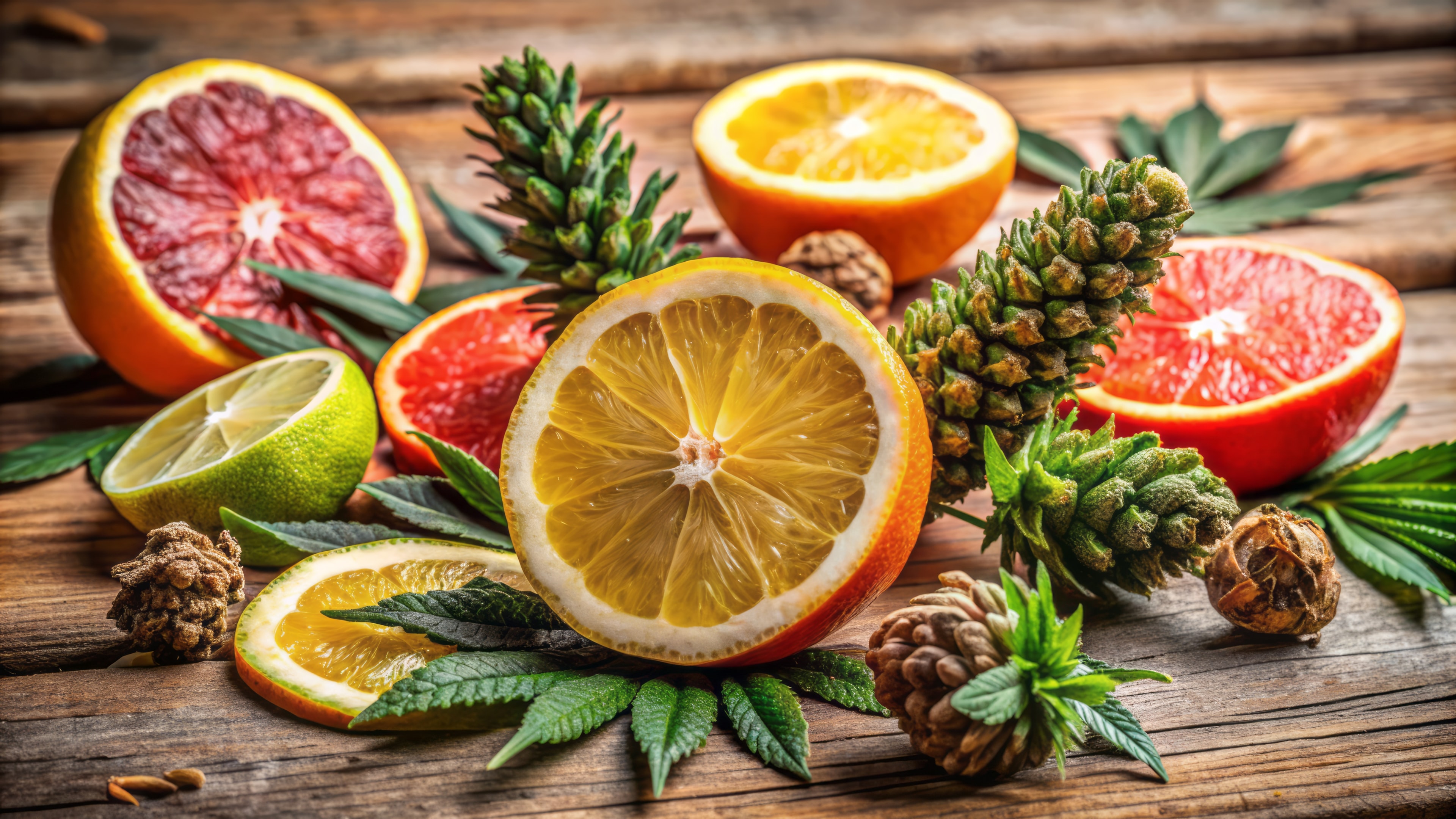
Terpenes are naturally occurring chemical compounds that can be found in nearly all plants, not just cannabis. These compounds are responsible for the distinctive aromas and flavors we associate with different plants. In fact, it’s these same terpenes that make essential oils popular for aromatherapy. In cannabis, the terpene profile of a strain is one of the key factors that consumers consider when choosing their favorite products, whether for recreational cannabis use or otherwise.
In the cannabis plant, terpenes occur naturally in the same glands where THC, CBD, and other cannabinoids are made. Each strain of cannabis has a different terpene profile, meaning that the exact makeup of terpenes can vary significantly from one strain to another. For example, a strain with high levels of Myrcene might have a more musky, earthy aroma, while another strain rich in Limonene might smell bright and citrusy.
These terpene profiles are one of the key factors that cannabis enthusiasts consider when choosing a strain, as the combination of cannabinoids and terpenes can lead to vastly different experiences, even among strains with similar THC content.
So, whether you’re inhaling the bright citrus notes of a strain like Lemon Haze or savoring the earthy musk of OG Kush, you’re experiencing the power of terpenes.
What’s fascinating about cannabis terpenes is that they don’t just contribute to the sensory experience; they also have the potential to influence how the body reacts to cannabinoids. This means that the terpene profile of a strain can have a significant impact on your overall experience, helping product the coveted ‘entourage effect.’

While terpenes themselves aren’t psychoactive, they may influence how you feel after consuming cannabis products. This is due to what’s known as the entourage effect. The entourage effect is the idea that the cannabinoids and terpenes in cannabis work together synergistically, potentially enhancing the overall experience.
For example, Linalool—a terpene also found in lavender—has a floral aroma and is often associated with a calming effect. When combined with certain cannabinoids, this terpene could potentially contribute to a more relaxed experience. On the other hand, Limonene might offer an uplifting effect due to its citrusy profile, making it popular among those looking for an energizing experience.
That said, while terpenesmay contribute to how you feel, it’s important to remember that individual experiences can vary greatly. What might work for one person might not have the same effect on another, which is why it’s crucial to consider the entire terpene profile of a strain when choosing cannabis products.
It is also possible for terpenes to interact with the body’s endocannabinoid system. This endocannabinoid system is responsible for a lot of the body’s normal functions and feelings. So if you’re looking to assist with feelings of pain relief or stress relief, cannabis terpenes might not take away those symptoms, but may help you deal with them better.
These plant compounds, albeit in small quantities but in unique combinations, may enhance our final products and provide various benefits to many users.
It’s important to note that while cannabis terpenes may contribute to the overall experience, they’re not to be considered for medicinal benefits. However, they might offer certain effects that users find desirable. For instance, Linalool may promote relaxation, while Limonene could provide a more uplifting and energizing sensation.
Moreover, because terpenes are also found in many other plants, they’re often studied for their potential benefits outside of cannabis. For example, essential oils containing terpenes like Linalool are popular in aromatherapy for their calming effects. It’s the presence of these volatile compounds that makes terpenes so intriguing, not just in the cannabis world, but in wellness practices more broadly.
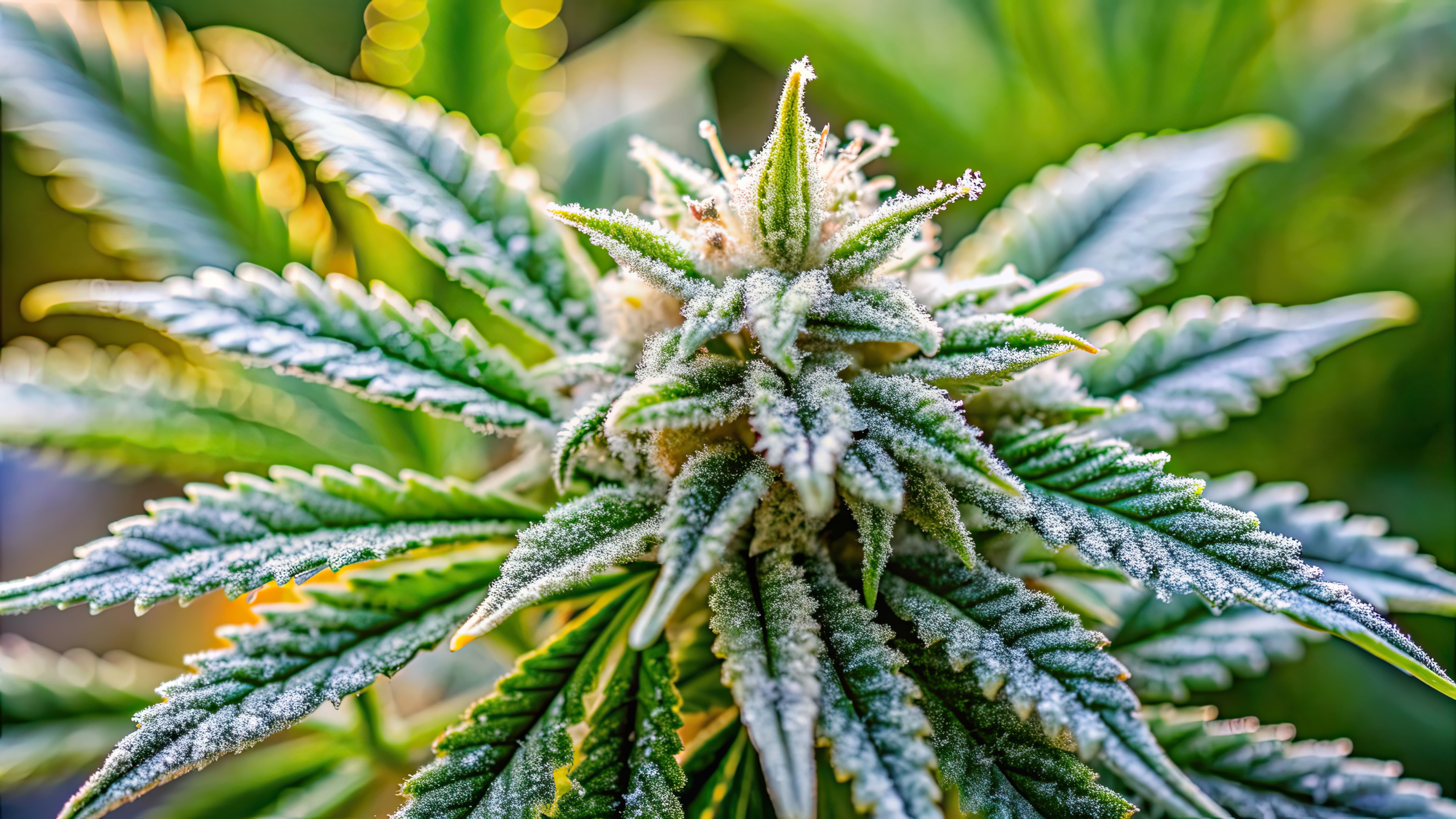
The entourage effect is a fascinating concept within the cannabis world, suggesting that the collective interaction of cannabinoids and terpenes within the cannabis plant may result in a more comprehensive and nuanced experience than what any single compound could achieve on its own.
While the focus is often on the well-known cannabinoids like THC and CBD, it’s the full spectrum of compounds—including terpenes—that might be responsible for the unique effects associated with different cannabis strains.
Terpenes play a crucial role in this entourage effect, even though they themselves are not responsible for the psychoactive effects typically associated with cannabis. Instead, they may modulate or influence the way these effects are felt by interacting with cannabinoids and other compounds in the plant.
For instance, while THC is the primary compound behind the “high” that many users seek, the presence of certain terpenes can affect the nature of that high, making it more uplifting, calming, or balanced, depending on the terpene profile of the strain.
Research into the entourage effect suggests that the combined presence of terpenes and cannabinoids can create a more effective or desirable outcome, whether that’s a more profound sense of relaxation, a sharper mental focus, or a different type of sensory experience altogether.
This is one reason why full-spectrum CBD oils are often preferred by those looking for a holistic approach to cannabis consumption. These products contain a full range of cannabinoids, terpenes, and other plant compounds that might work together to enhance the overall effect.
The entourage effect underscores the importance of the natural synergy between cannabinoids, terpenes, and other compounds in cannabis plants. It’s this interplay that might enhance the overall experience, making each strain and product unique in its effects. Whether you’re seeking relaxation, focus, or an uplifting sensation, understanding how terpenes play into the entourage effect can help you choose the right product or strain to suit your needs.
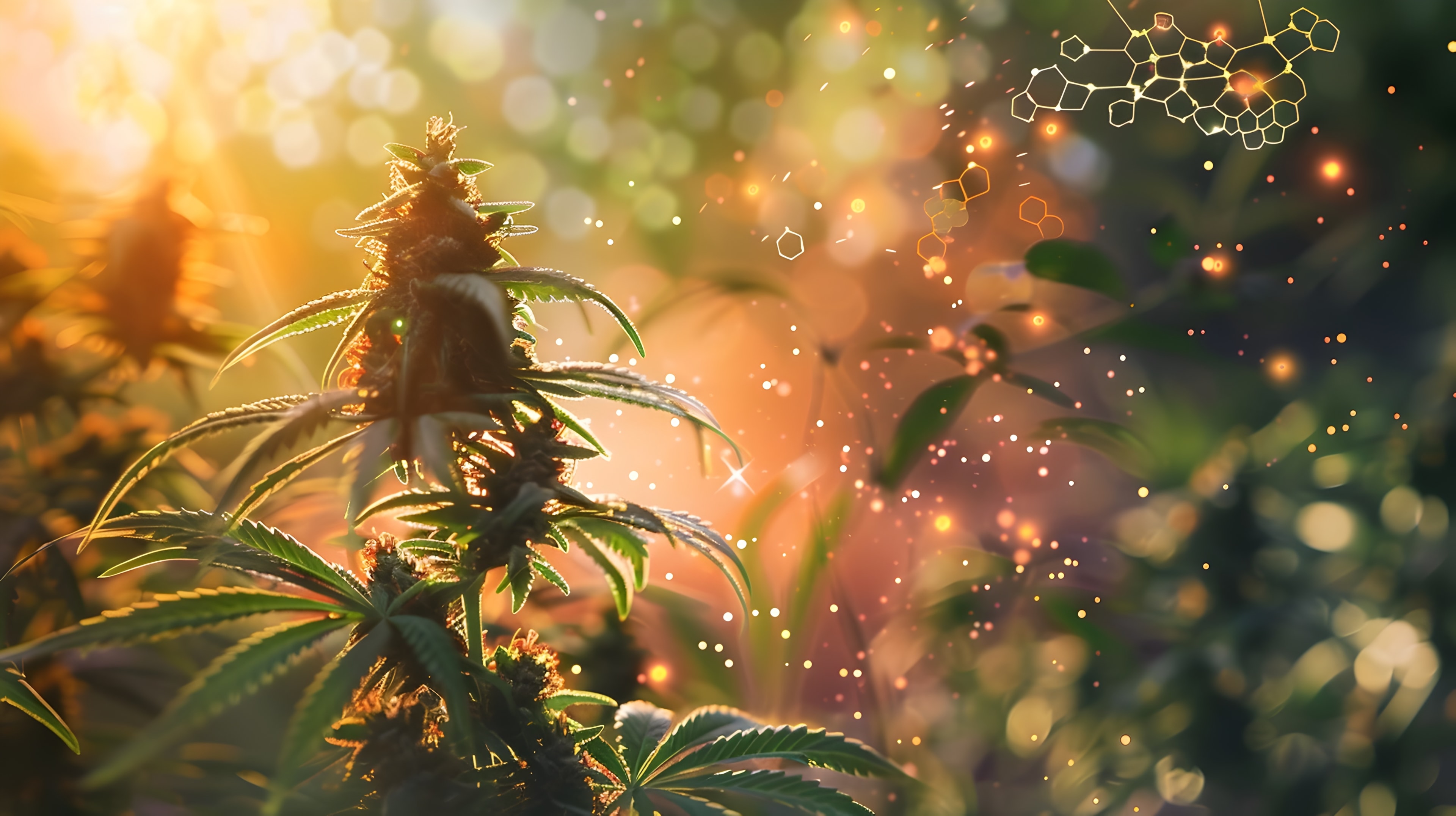
The world of cannabis terpenes is incredibly intricate, offering a depth of diversity that makes each cannabis strain unique. These aromatic compounds are not just responsible for the distinctive scents and flavors of cannabis plants; they also contribute to the overall experience by interacting with other compounds found in the plant, including cannabinoids.
In cannabis, terpenes are produced in the same glands as THC and CBD, but their presence varies across different strains. For example, the terpenes found in a strain like Sour Diesel might give it a pungent, diesel-like aroma, while those in Blue Dream offer a sweet, berry scent. This variation is due to the unique combinations of cannabinoids and terpenes in each strain, leading to a wide range of effects and experiences.
Moreover, the complexity of cannabis terpenes is further highlighted by how they’re distributed across different strains. Each cannabis strain has its own terpene profile, which can affect not just the flavor and aroma but also potentially influence the effects felt by the consumer. This is why two cannabis strains with similar THC levels can produce very different experiences.
In essence, cannabis terpenes add a layer of complexity to the plant, making the exploration of cannabis both a sensory and experiential journey. Understanding how these terpenes interact with cannabinoids and other compounds found in the plant can help you better appreciate the diversity and richness of the cannabis experience.
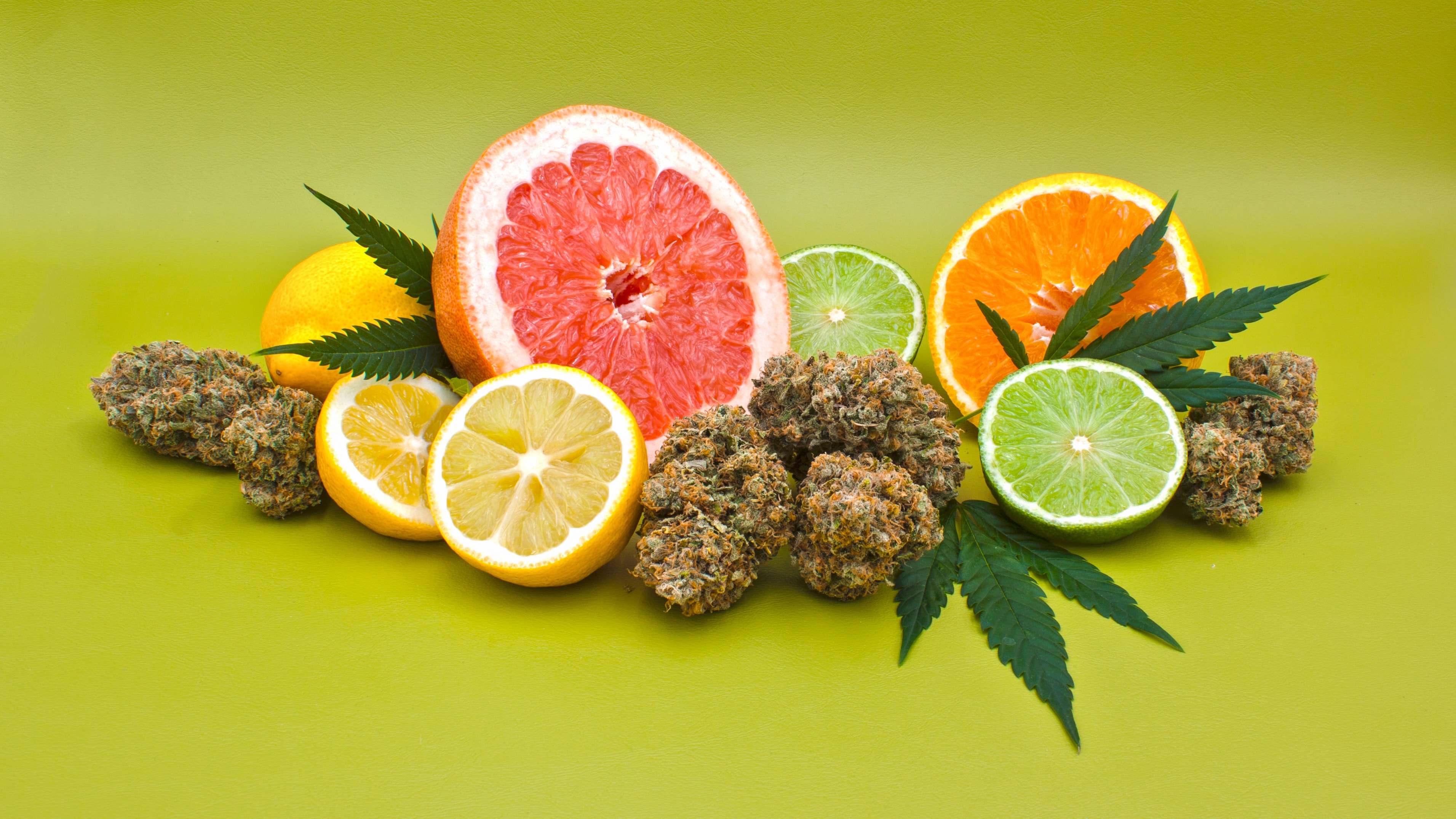
Terpenes are an essential part of what makes the cannabis plant so unique and versatile. These volatile compounds not only define the flavor and aroma of different strains but also play a crucial role in the overall experience by interacting with all the cannabinoids and other compounds found in cannabis. The synergy between these elements is what gives each strain its distinctive character and potential effects.
Much like the essential oils used in aromatherapy, cannabis terpenes add layers of complexity to how we perceive and enjoy the plant. As the cannabis industry continues to evolve, the significance of terpenes in various contexts becomes increasingly recognized.
In summary, the next time you enjoy a cannabis product, remember that it’s not just about the THC or CBD content—it’s the terpenes and other volatile compounds found in cannabis that complete the experience, offering a diverse and richly layered journey into the world of cannabis.
To stay updated on all things 3CHI and cannabis, sign up for our newsletter here!
When you do, you get 5% off your first order and a free pack of Delta 8 gummies!