
Delta 9 THC
What Is the Endocannabinoid System? A Deep Dive into Your Body’s Internal Balancing Act
At first glance, that phrase feels like a tongue-twister, but the science behind it explains why some folks swear by hemp-derived products at 3CHI. The endocannabinoid system (ECS) is a relatively recent scientific discovery, first identified in the early 1990s, and has since become a key focus in studies of mood, sleep, and immune response. Our goal today is to give you the clearest tour on the web—no jargon-bombs, no hype—just facts for those who are curious.
Below, you’ll see why researchers now call the ECS a master regulator, how its cannabinoid receptors work, and what it means for anyone exploring hemp-based cannabinoids.
What Exactly Is the Endocannabinoid System?
The endocannabinoid system is a cell-signaling network present in virtually every vertebrate species. It’s built from three core pieces:
- Endogenous cannabinoids—your body’s own messenger molecules (anandamide and 2-AG)
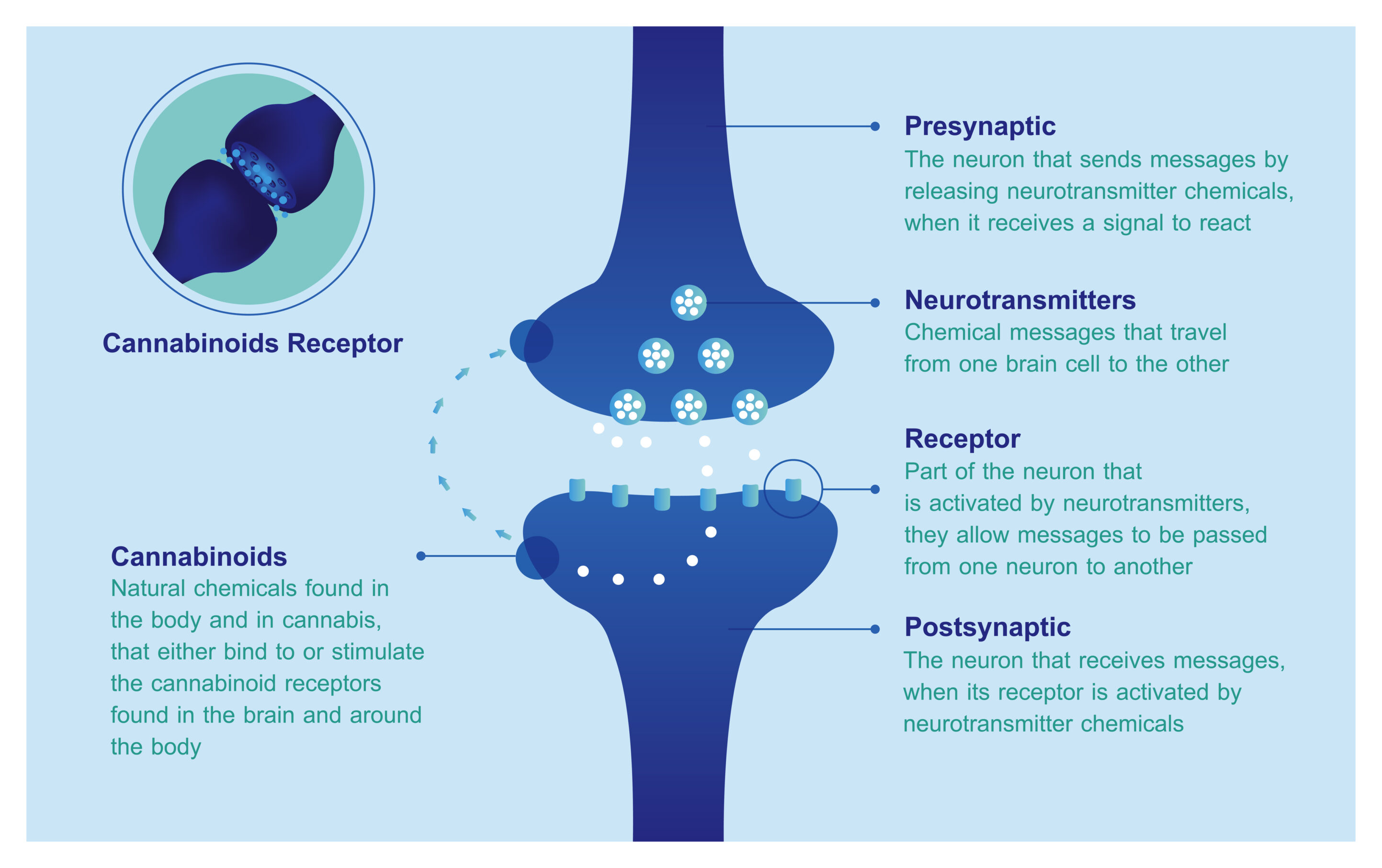
- Cannabinoid receptors—primarily CB1 receptors in the central nervous system and CB2 receptors in immune cells
- Metabolic enzymes such as fatty acid amide hydrolase that break those messengers down after they’ve done their job
Together, these parts act like a molecular thermostat, nudging dozens of biological processes toward a steady state called homeostasis. The endocannabinoid system is so pervasive that some scientists suggest adding it to the list of organ systems in the human body, alongside the cardiovascular or digestive systems.
Meet the Main Characters Inside the Endocannabinoid System
Endogenous Cannabinoids (a.k.a. On-Demand Messengers)
Unlike hormones that wait in storage tanks, endogenous cannabinoids are made when and where they’re needed. Their building block is arachidonic acid, a fatty acid also used to craft other “go” signals in the body.
Cannabinoid Receptors: CB1 & CB2
- CB1 receptor hotspots cluster in the brain, spinal cord, and peripheral nerves.
- CB2 receptor sites dominate the spleen, tonsils, and other immune system hubs packed with immune cells.
Together they form a cannabinoid receptor family that gives the endogenous cannabinoid system amazing range—adjusting everything from neurotransmitter release to inflammatory signaling. Recent 2024 studies even link fine-tuned CB1 receptor activity to motivation pathways in the mid-brain.
Enzymes: The Cleanup Crew
Once endocannabinoids have done their job, enzymes step in to break them down. The two main enzymes are:
- Fatty acid amide hydrolase (FAAH): Breaks down anandamide.
- Monoacylglycerol lipase (MAGL): Breaks down 2-AG.
This ensures that endocannabinoids act only when needed and don’t linger, which helps maintain balance.
How the Endocannabinoid System Orchestrates Balance
Picture the endocannabinoid system as a series of dimmer switches rather than on/off lights. When your central nervous system fires too hot—think racing thoughts at 2 a.m.—cells can synthesize anandamide, trigger CB1 receptors, and dial the circuitry down.
When tissues face stress, CB2 receptors on immune cells modulate cytokine chatter to keep things level. This push-pull dance repeats thousands of times per day across the human body.
Where Phytocannabinoids Come In
The cannabis plant (Cannabis sativa) produces over 100 diverse compounds that can interact with the endocannabinoid system. Delta-9 THC, for example, is a strong CB1 receptor agonist; CBD is more subtle, acting as a receptor modulator. Just as the mesentery was reclassified as a distinct organ in 2016 after decades of being overlooked, some researchers believe the ECS deserves similar recognition due to its broad regulatory role across multiple biological systems. Ongoing research continues to reveal its importance in maintaining balance throughout the body.
Because these plant molecules mimic or influence endogenous signals, they’re often called “exogenous cannabinoids.” They can complement the endocannabinoid system when lifestyle, genetics, or environment tip it off balance. Remember: results vary by person; we’re talking about support, not cures.
The Endocannabinoid System Across Key Body Systems
Nervous System ↔ Mood & Memory
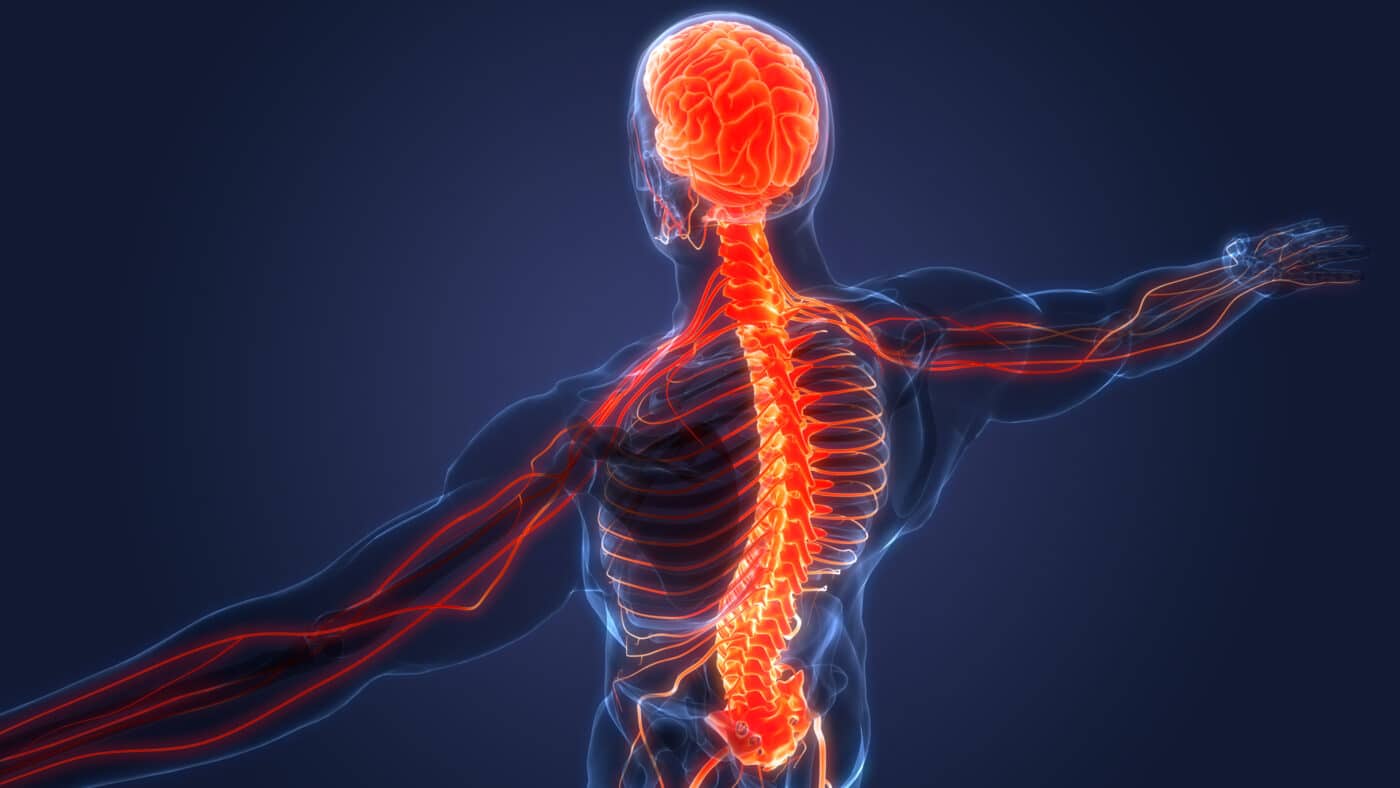
High densities of CB1 receptors in brain regions like the hippocampus suggest the endocannabinoid system fine-tunes how we process experiences and store memories. Researchers still debate the details, but most agree the ECS acts as a gatekeeper, deciding when neurons should talk loudly and when they should whisper.
Immune System ↔ Defense Without Over-Reaction
The endocannabinoid system is heavily expressed in the spleen, tonsils, and lymph nodes—prime real estate for immune cells. Through CB2 receptors, it helps those cells decide whether to amplify or dampen their activity, contributing to the delicate equilibrium involved in maintaining health without over-shooting.
Musculoskeletal System
A brand-new 2025 study hints that blocking the CB1 receptor in muscle tissue can improve post-workout recovery, spotlighting how the cannabinoid system reaches even our quads and hamstrings. We’re watching that closely.
Lifestyle Tips to Support a Resilient Endocannabinoid System
Heads-up: These are wellness pointers, not medical prescriptions.
| Everyday Habit | Why It May Help the Endocannabinoid System |
|---|---|
| Balanced Omega-3 intake (chia, flax, salmon) | Provides raw materials that compete with arachidonic acid, encouraging a smoother ECS signal-to-noise ratio. |
| Mindful movement (yoga, brisk walks) | Exercise spikes anandamide, giving the endocannabinoid system a natural workout. |
| Quality sleep (7–9 hrs) | The ECS and circadian rhythms dance in lock-step; solid rest supports receptor sensitivity. |
| Stress-reduction rituals (journaling, breath work) | Stress hormones can push the ECS into over-drive; calming practices recalibrate messaging. |

How We at 3CHI Craft Products That Respect the Endocannabinoid System
- Cold-extracted THCA: Preserves acidic cannabinoids that interact delicately with the endocannabinoid system.
- Third-party lab reports: Confirm cannabinoid concentrations and rule out unwanted residues.
- No synthetic cannabinoids: naturally derived cannabinoids because we believe they align more closely with the body’s natural processes. We avoid synthetic cannabinoids that have not been thoroughly studied for safety.
When you see “3CHI,” you know we’ve taken the time to consider the complexity of the endocannabinoid system every step of the way.
Ask the Internet: Real Questions, Straight Answers
Below are genuine inquiries we spotted this year on social platforms—paraphrased for clarity—and our ECS-centric responses.
Reddit r/cannabis: “If CB1 is mostly in the brain, will THCA change my headspace?”
3CHI: THCA shows weak activity at CB1 receptors, so most customers report a clear-headed experience. Still, your endocannabinoid system is unique—start low, go slow, and see how you feel.
X (formerly Twitter): “Is FAAH really the enzyme that ends the party?”
3CHI: Pretty much. Fatty acid amide hydrolase breaks down anandamide quickly. Some people are studying natural FAAH inhibitors, but the research is early-stage.
Facebook Group: Hemp Enthusiasts: “Do cannabinoids boost my immune system?”
3CHI: The endocannabinoid system does talk to immune cells via CB2 receptors, but think “balancing,” not “boosting.” We can’t claim outright improvements—listen to your body and consult a professional if needed.
Common Missteps When Exploring the Endocannabinoid System
- Overlooking dosage: More isn’t always better. The endocannabinoid system follows a bell-curve response.
- Ignoring lifestyle: Supplements alone can’t override sleep deprivation or nonstop stress.
- Mixing unverified products: Unknown formulations may flood cannabinoid receptors and throw the endocannabinoid system off track.
- Skipping lab tests: Always demand COAs (Certificates of Analysis) to know what’s really in your cannabis products (same goes for any other store-bought supplements out there).
Frequently Asked Questions
Q: What is the main function of the endocannabinoid system?
A: The ECS helps maintain homeostasis, keeping your body’s internal environment stable and balanced.
Q: Where are cannabinoid receptors found?
A: CB1 receptors are mainly in the brain and nervous system, while CB2 receptors are mostly in immune cells and peripheral tissues.
Q: What are endocannabinoids made from?
A: Endocannabinoids are derived from fatty acids, especially arachidonic acid, and are synthesized on demand.
Q: How does THCA interact with the ECS?
A: While THCA doesn’t bind to CB1 receptors like THC, it may still influence the ECS and help support balance in the body.
Ready to Learn More?
Curious about how the endocannabinoid system and cannabinoids like THCA can support your journey? Subscribe to our newsletter for science-backed insights, product news, and exclusive discounts.
New subscribers get 20% off their first order and a free pack of gummies—the perfect way to explore the world of cannabinoids with 3CHI.